





Wall Sconce Styles and Placement
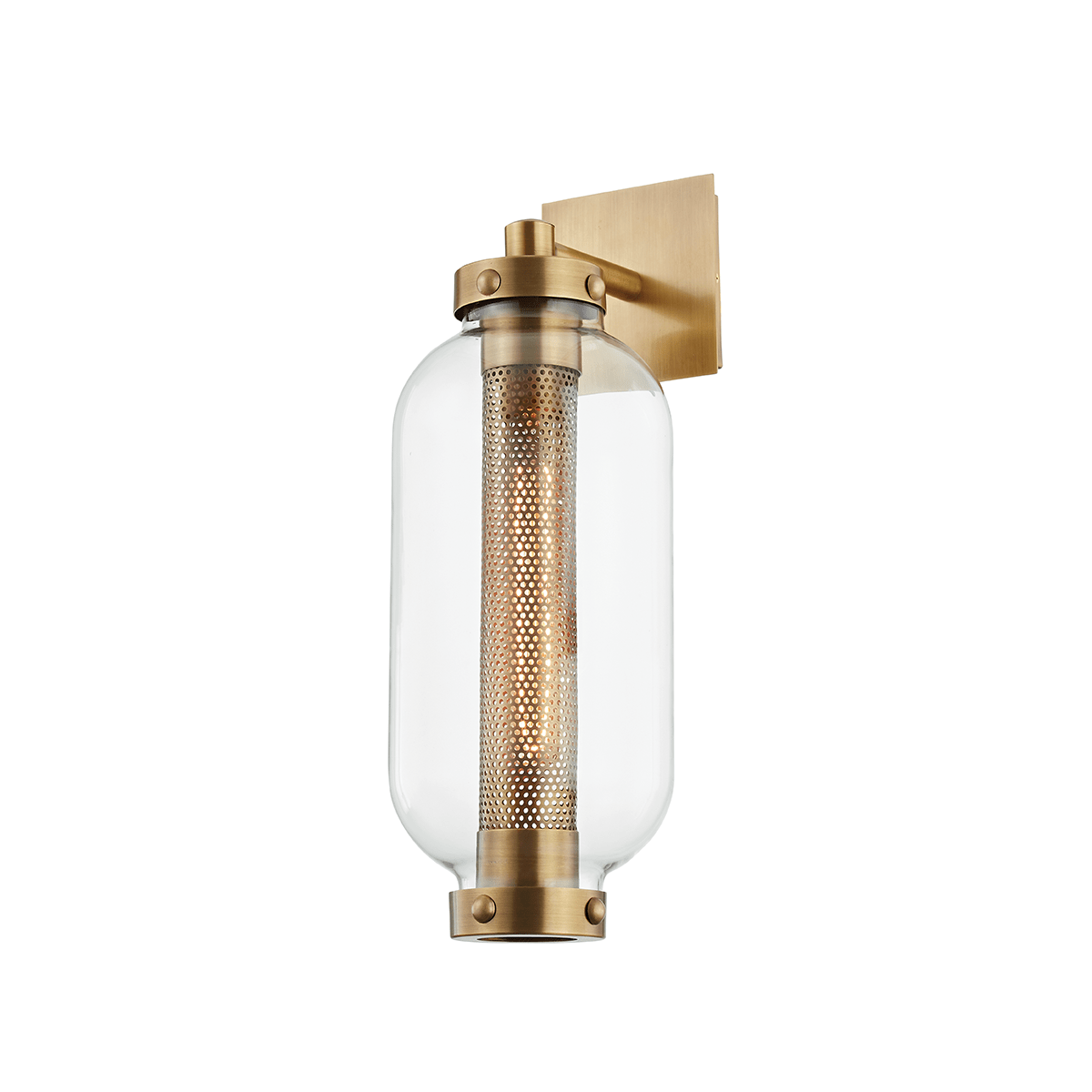
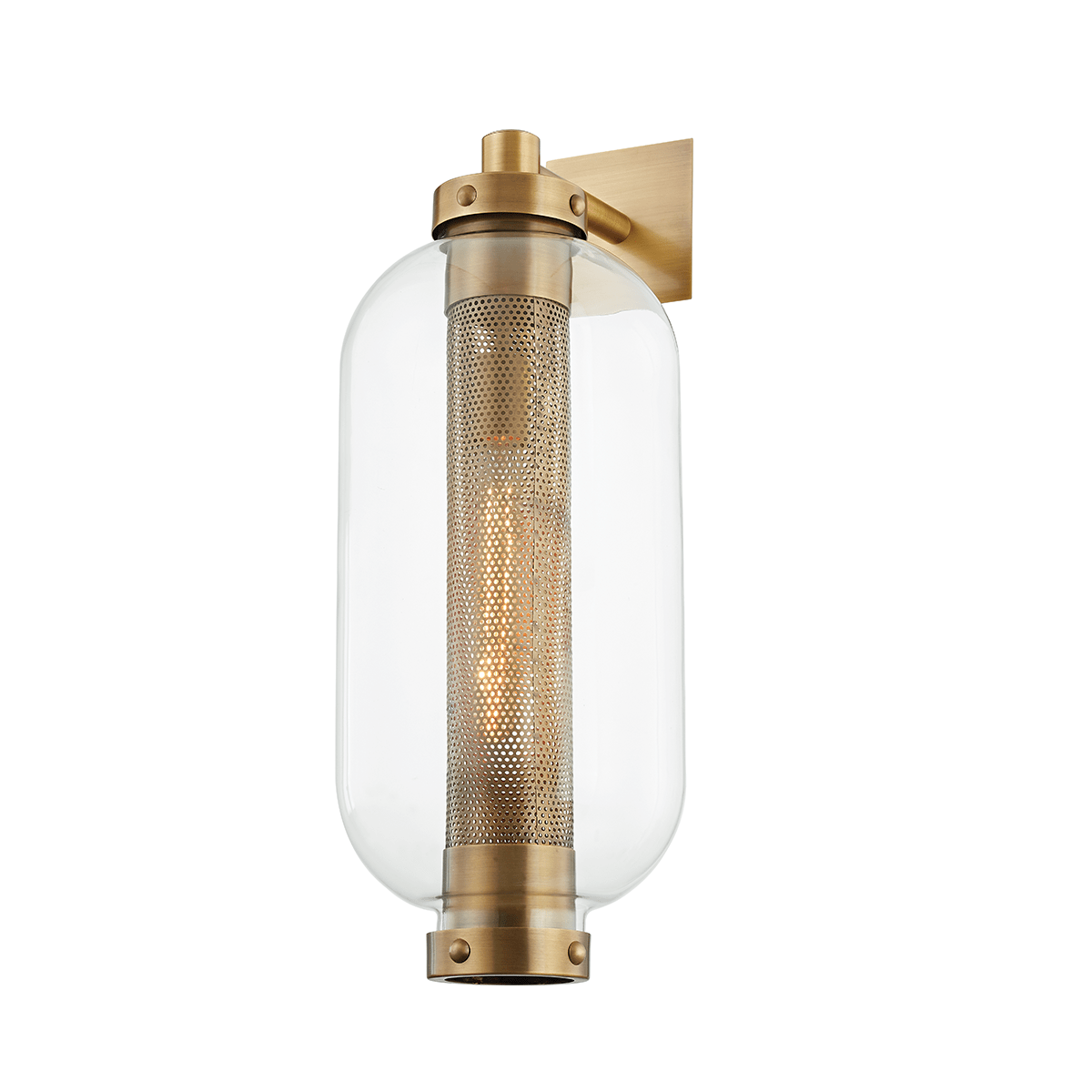
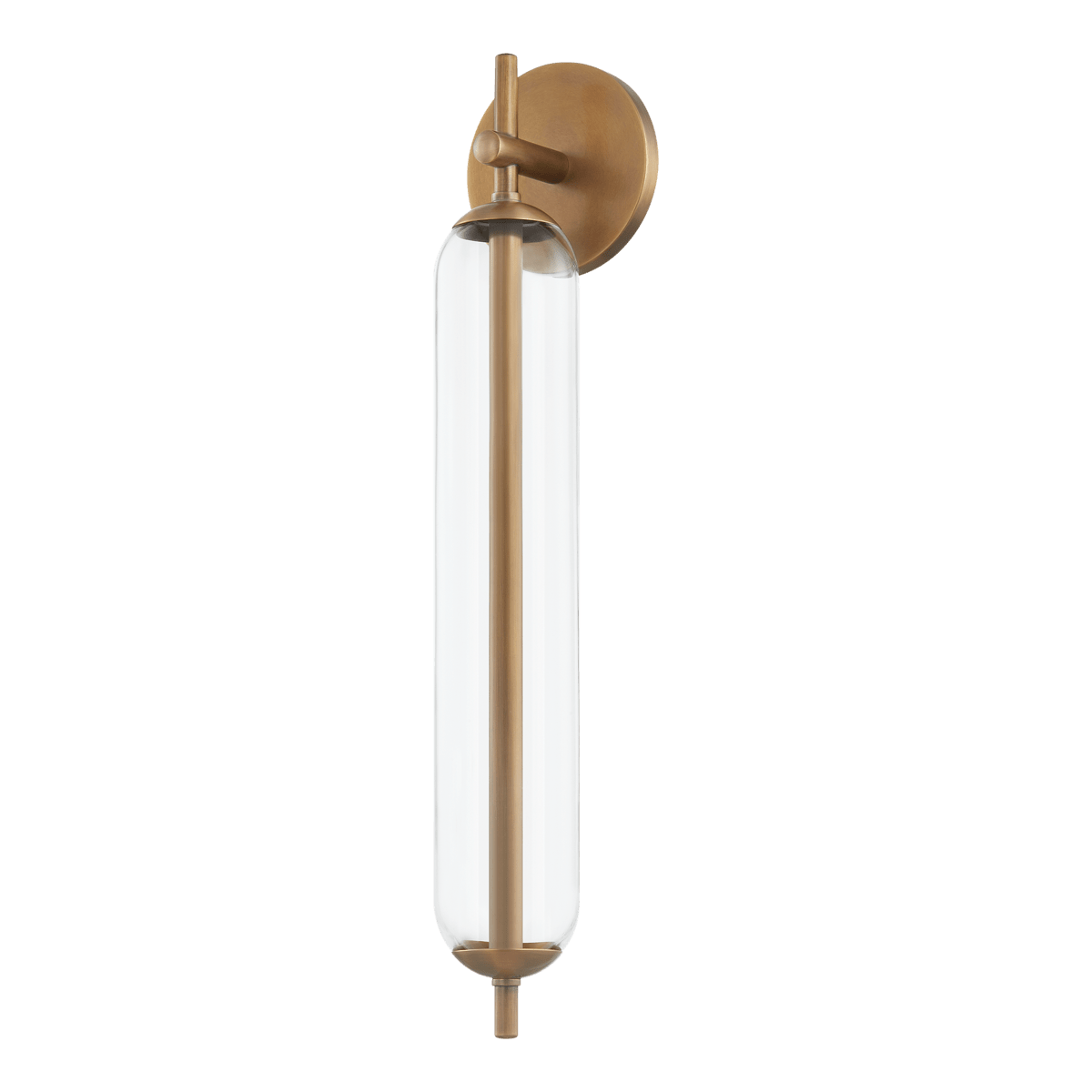
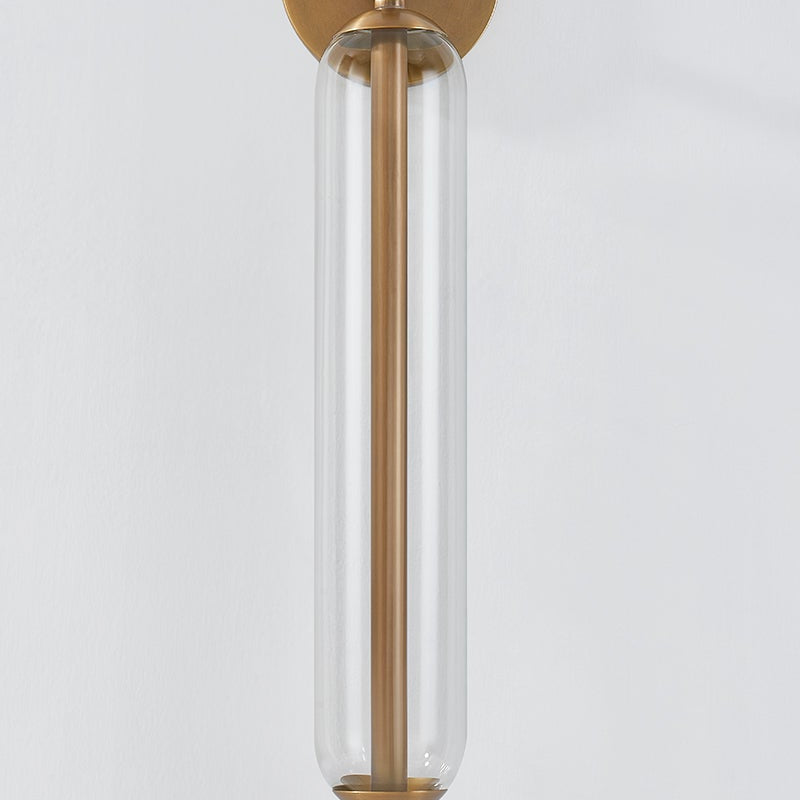
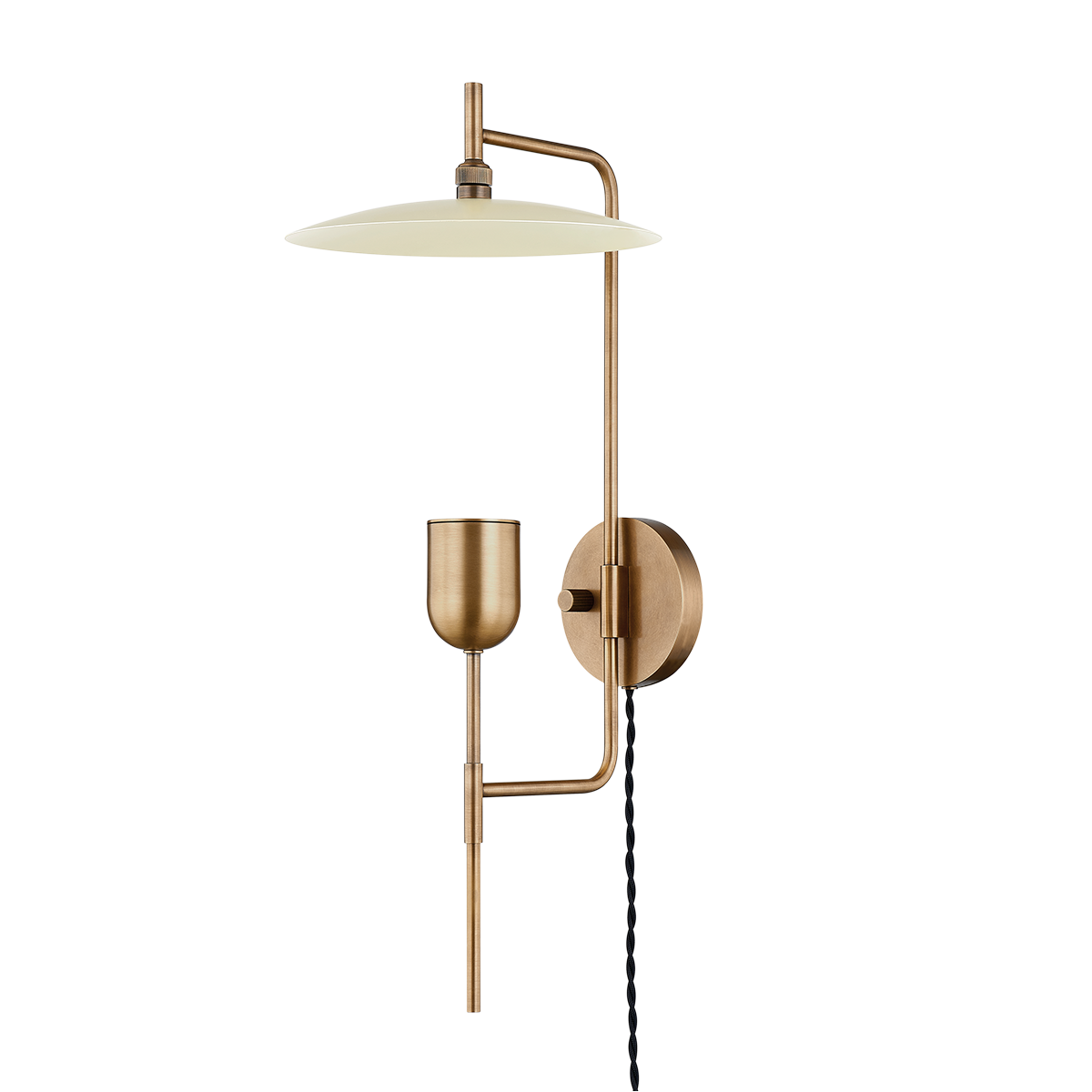
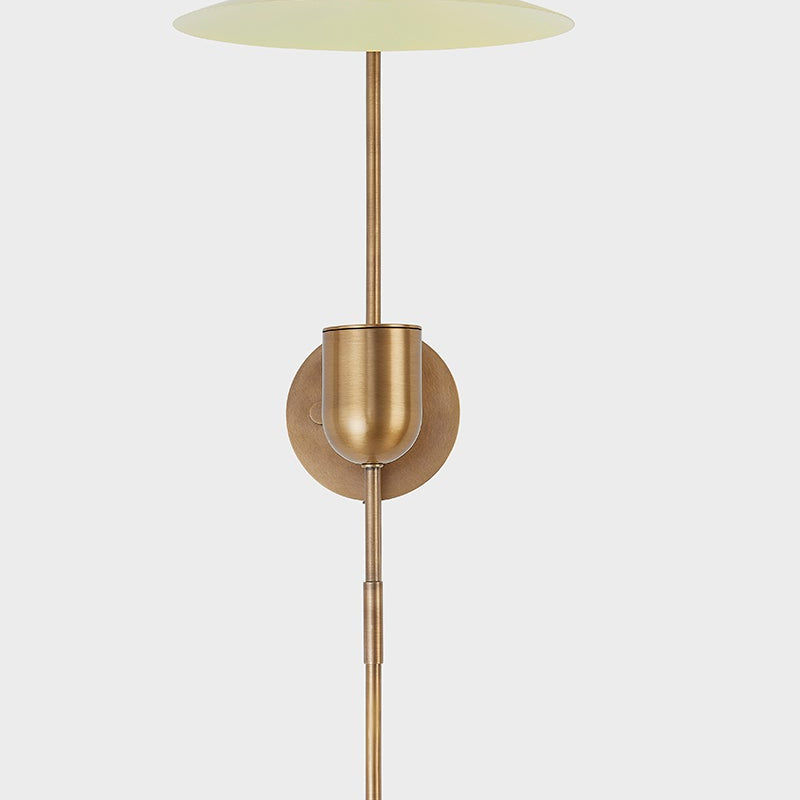
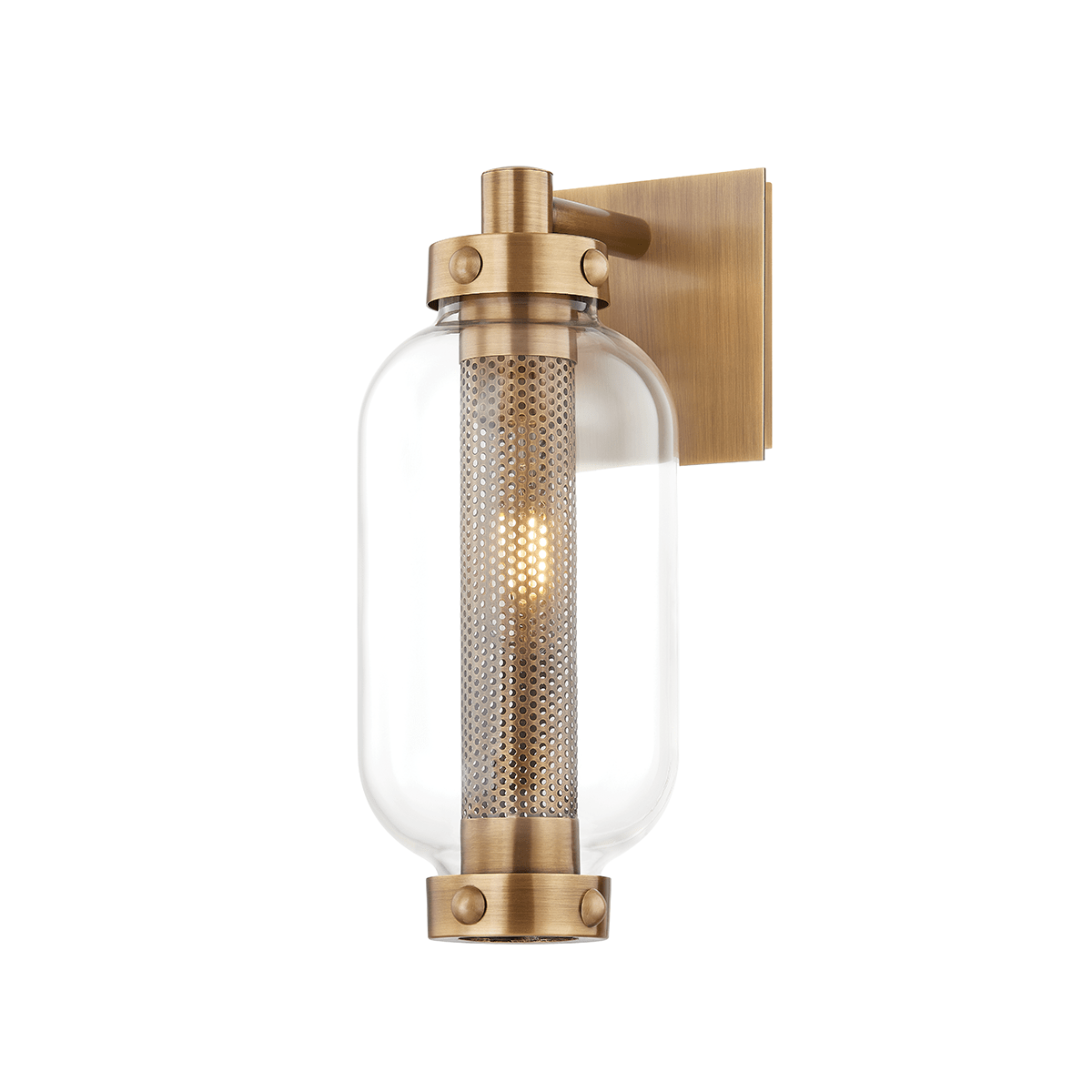
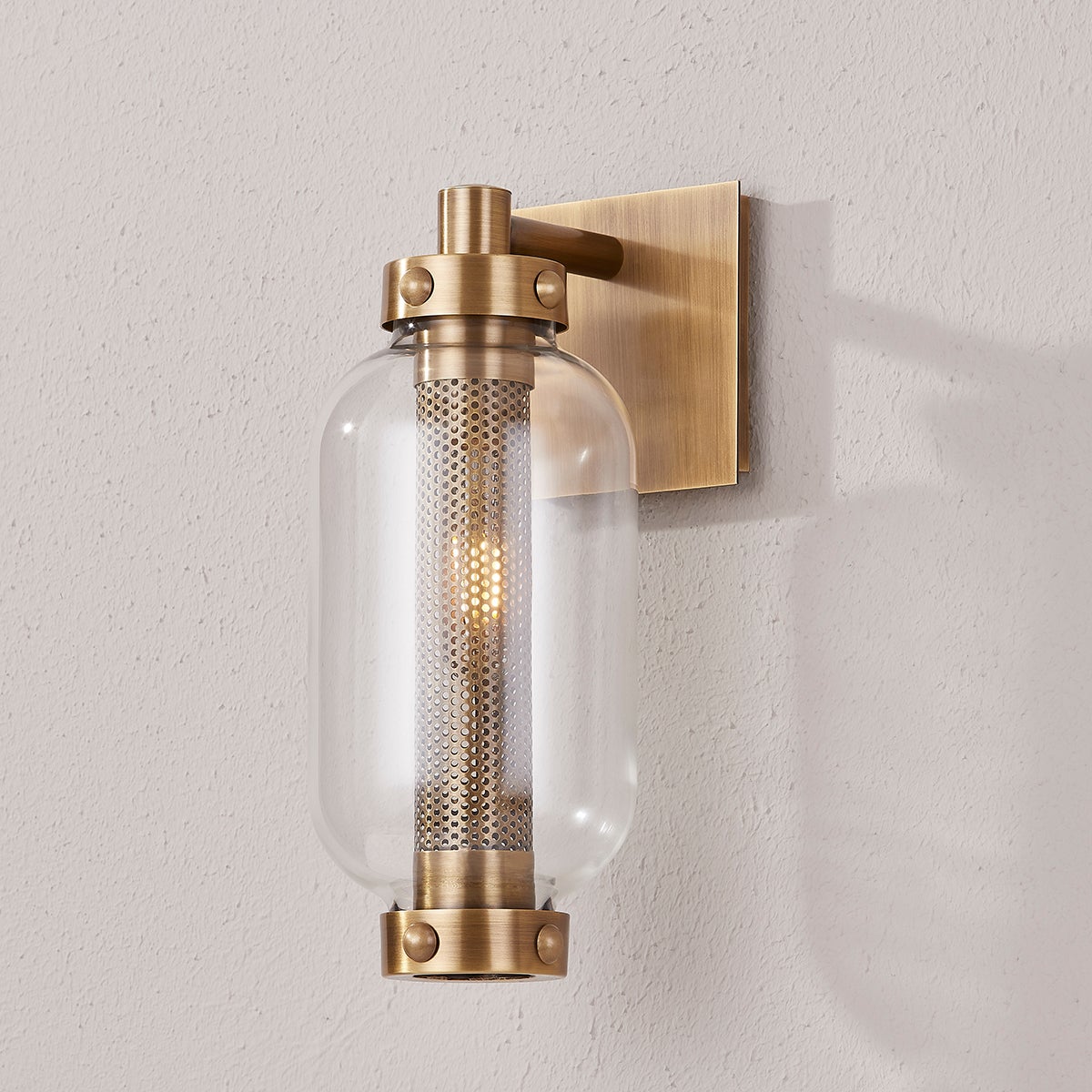
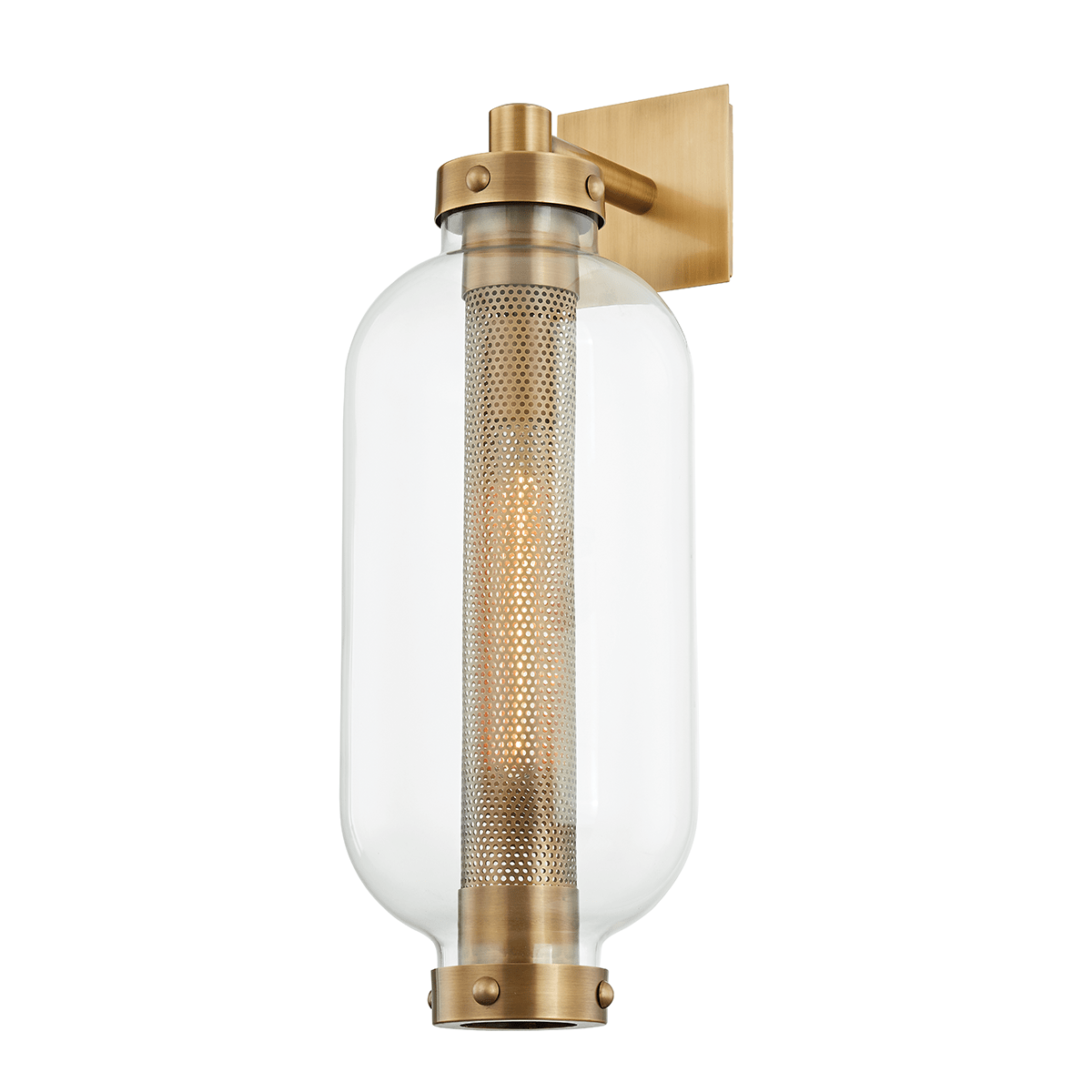
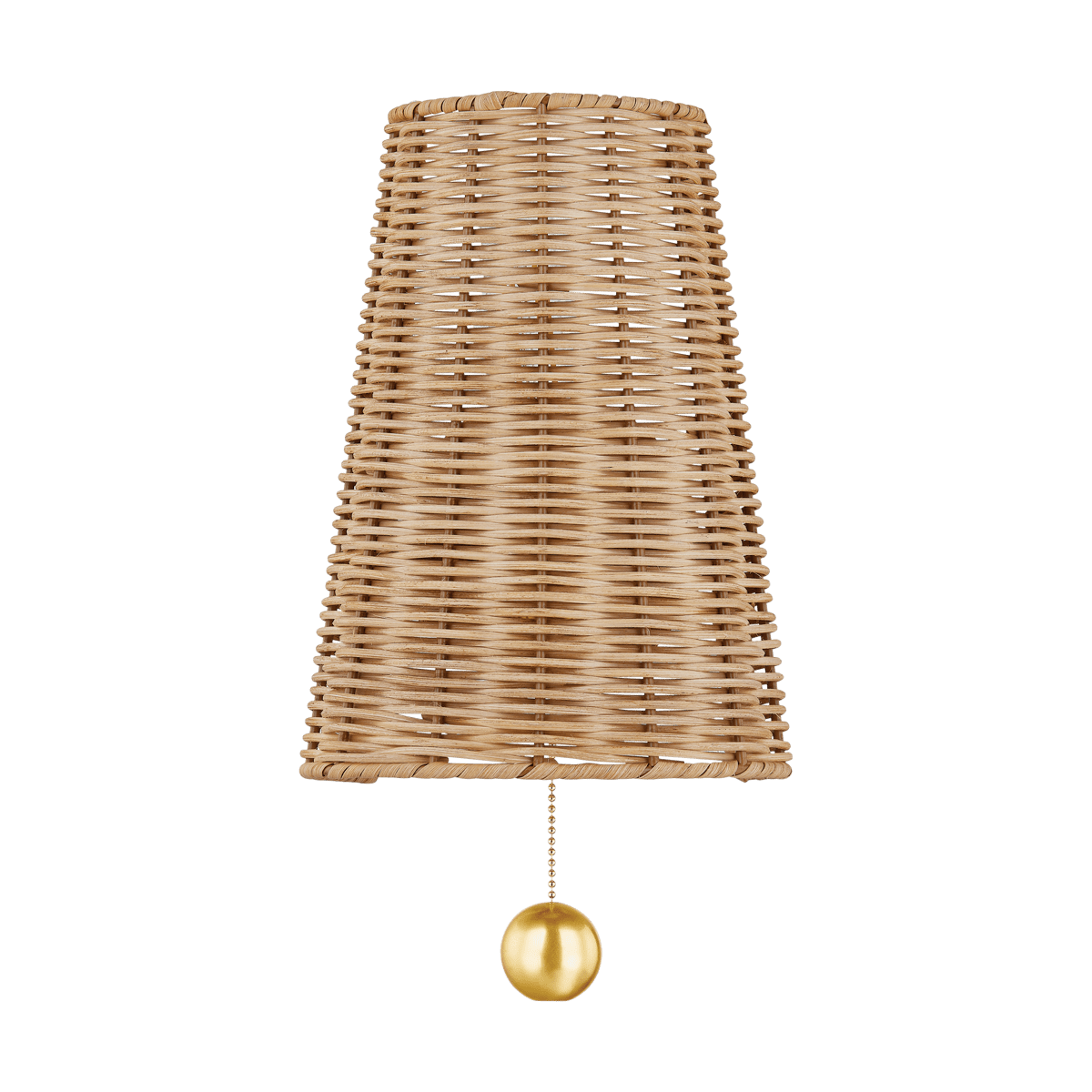
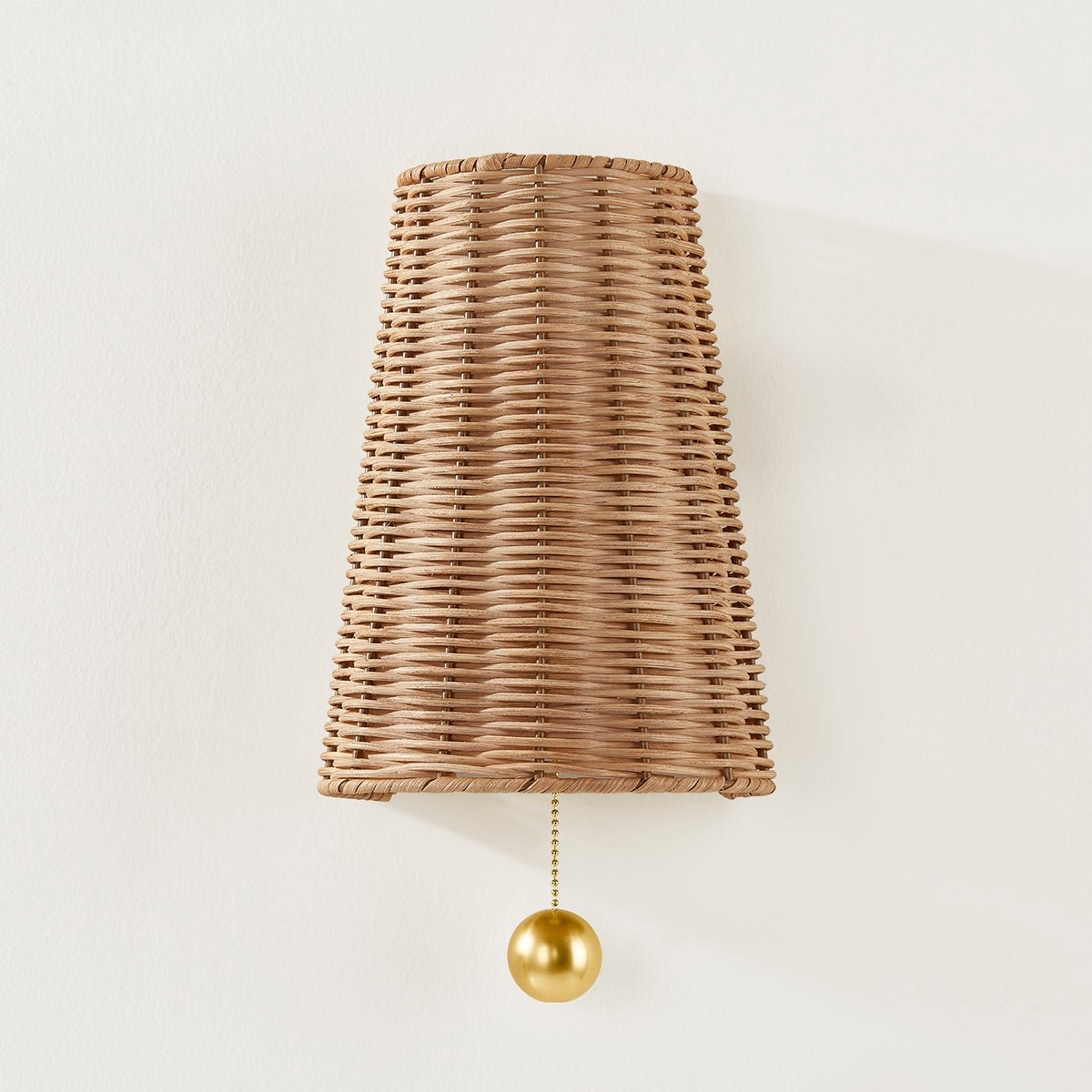
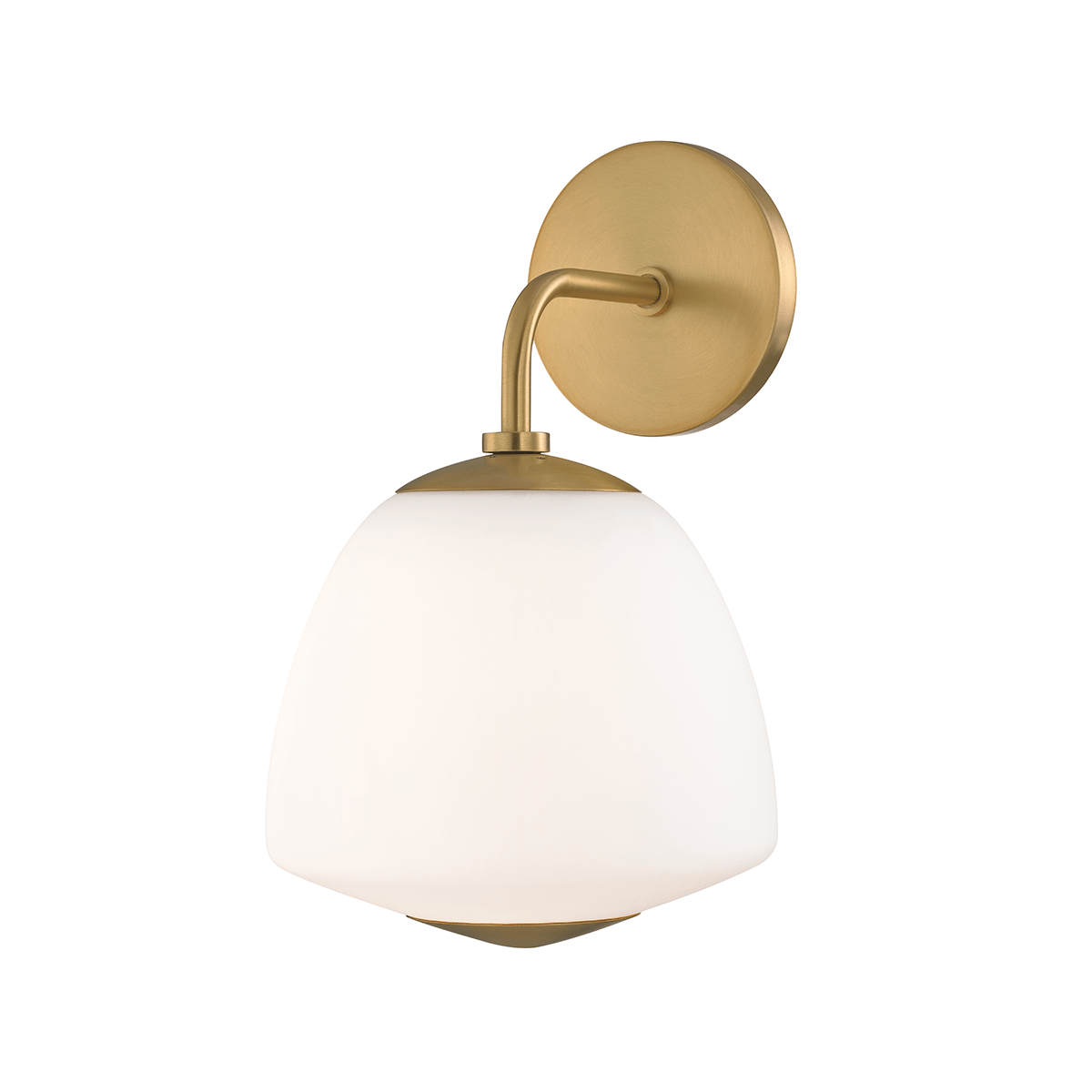
Wall sconces serve as accent or task lighting depending on the design. The Ashton Pleated Wall Sconce from Four Hands uses an accordion-pleated cream linen shade on a curved bronzed arm for soft, ambient light in bedrooms and living rooms. Hudson Valley's Bruckner sconce features faceted glass inspired by gothic lancet arches, available in aged brass and polished nickel in two sizes. The Delran sconce pairs rattan with brass for a coastal look. Plug-in options like the Hudson Valley Emmett allow installation without hardwiring, making them ideal for renters or rooms without electrical boxes.
Vanity and Bathroom Sconces
Bath and vanity sconces are rated for damp locations. The Corbett Catrina vanity light in vintage brass features tulip-shaped accents. Hudson Valley's Emmett double sconce is available in aged brass, polished nickel, and distressed bronze for flanking bathroom mirrors. For proper vanity lighting, mount sconces at eye level (roughly 60-66 inches from the floor) on either side of the mirror to eliminate shadows on the face.
Frequently Asked Questions
How high should I mount a wall sconce?
For hallways and living rooms, mount sconces with the center of the fixture at 60-66 inches from the floor. For flanking a bathroom mirror, align sconces at eye level, which is typically 60-65 inches. For stairways, maintain consistent spacing between fixtures and keep them at a height where they won't be bumped while walking. Above a headboard, mount sconces 8-10 inches above the top of the headboard.
What is the difference between hardwired and plug-in sconces?
Hardwired sconces connect directly to the electrical wiring in the wall and are controlled by a wall switch. Plug-in sconces like the Hudson Valley Emmett have a visible cord that plugs into a standard outlet, often with an inline switch on the cord. Plug-in sconces are easier to install and reposition but require access to a nearby outlet. Hardwired provides a cleaner look with no visible cords.
Can I use wall sconces as the primary light source in a room?
Wall sconces work best as secondary or accent lighting. A pair of sconces can provide sufficient light in a small powder room or reading nook, but most rooms need a primary ceiling fixture (chandelier, pendant, or flush mount) supplemented by sconces for layered lighting. Using a combination of ambient, task, and accent light sources creates the most functional and visually balanced room.
How do I choose a finish that matches my existing hardware?
Aged brass pairs with warm gold cabinet pulls and faucets. Polished nickel coordinates with chrome or brushed nickel hardware. Distressed bronze matches oil-rubbed bronze fixtures. Mixing two finishes in the same room can work if one is dominant and the other is used as an accent. The most common pairings are brass with black, or nickel with chrome.


