

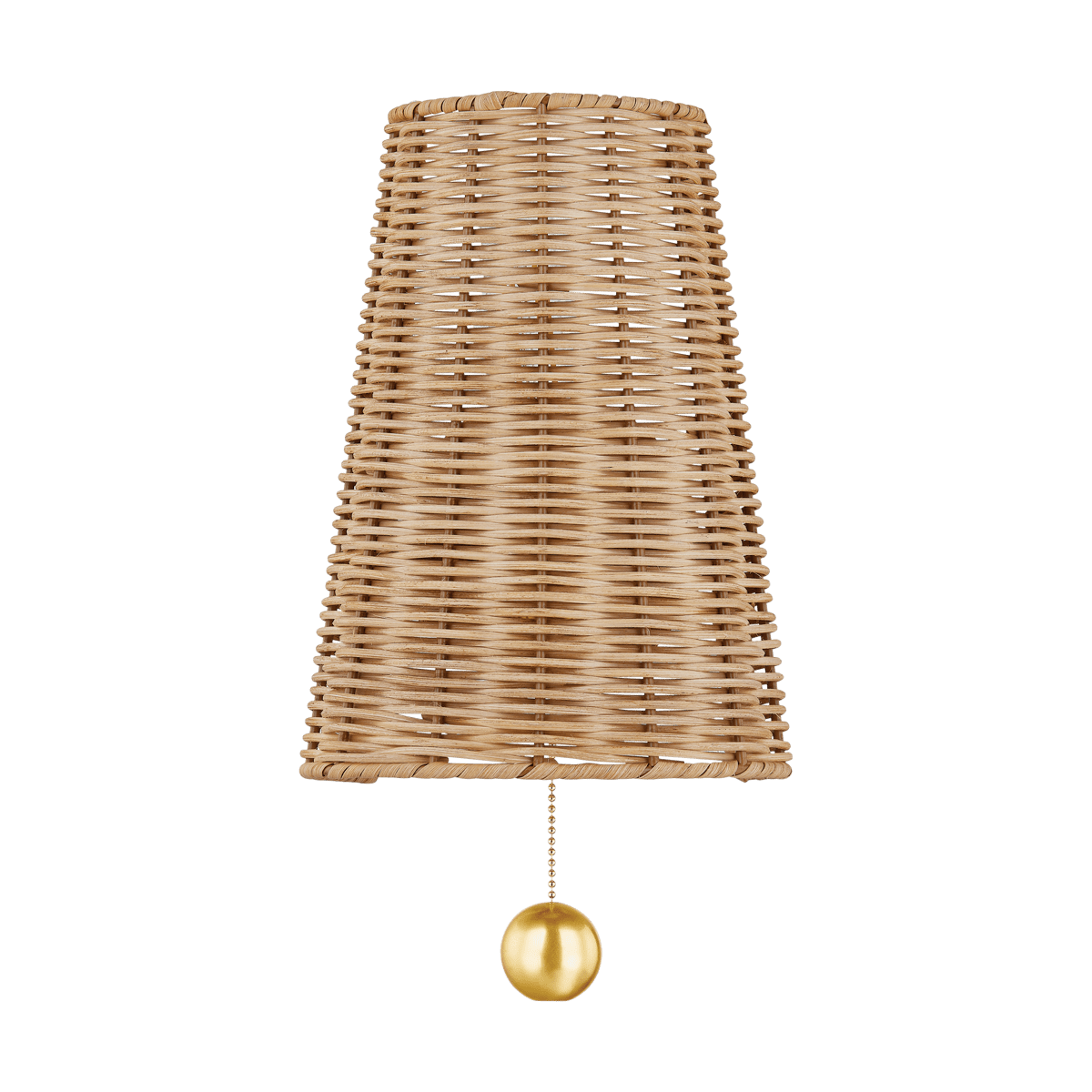
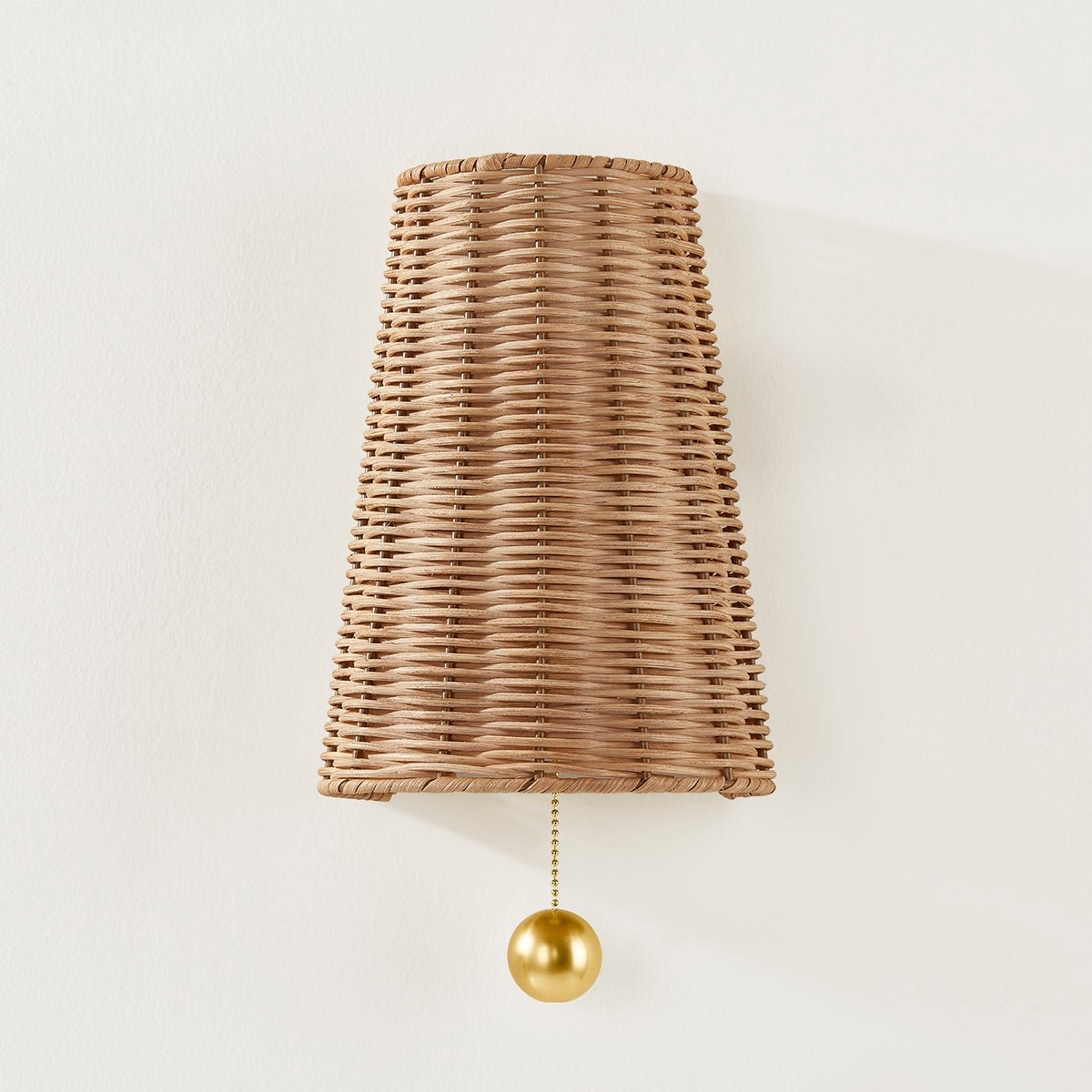
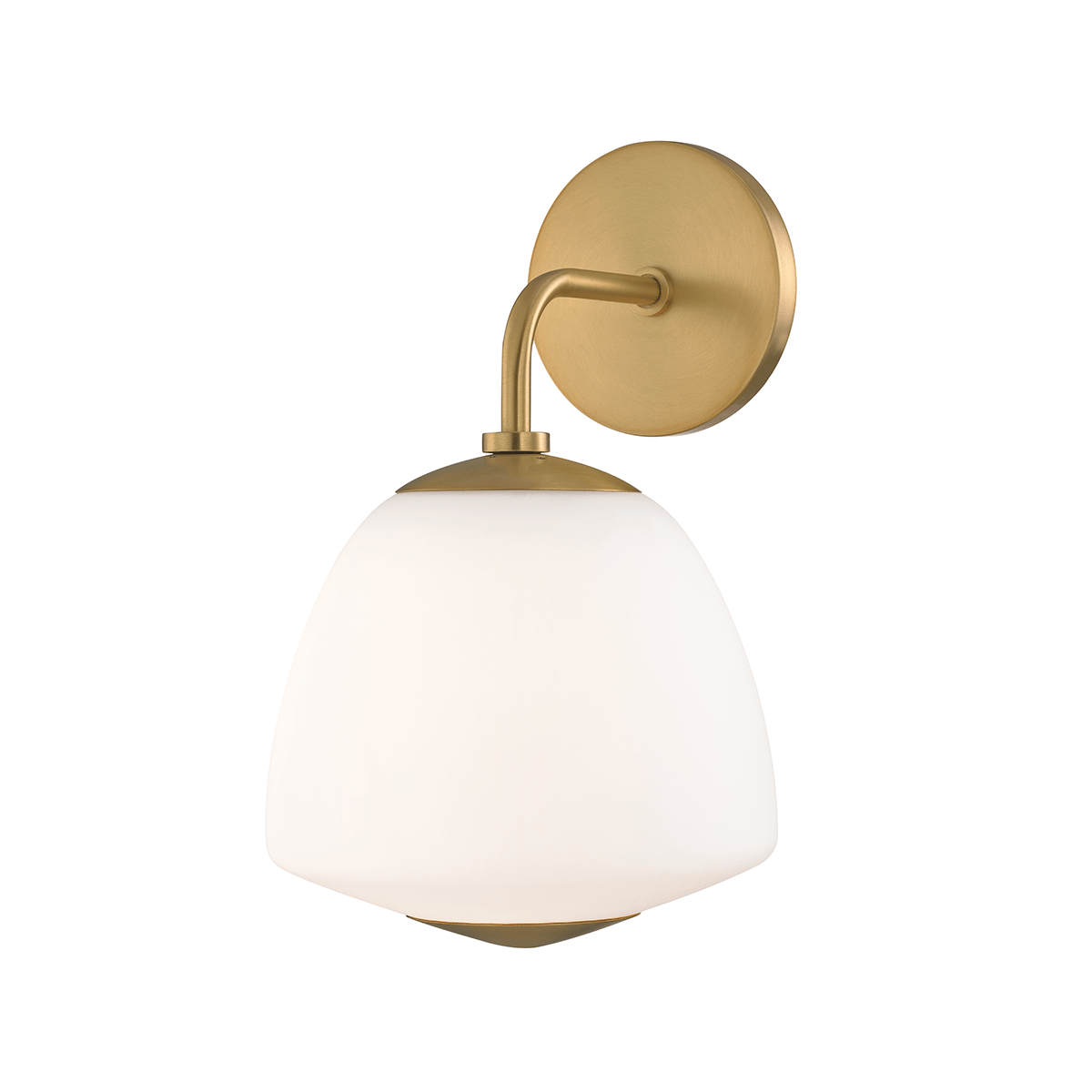

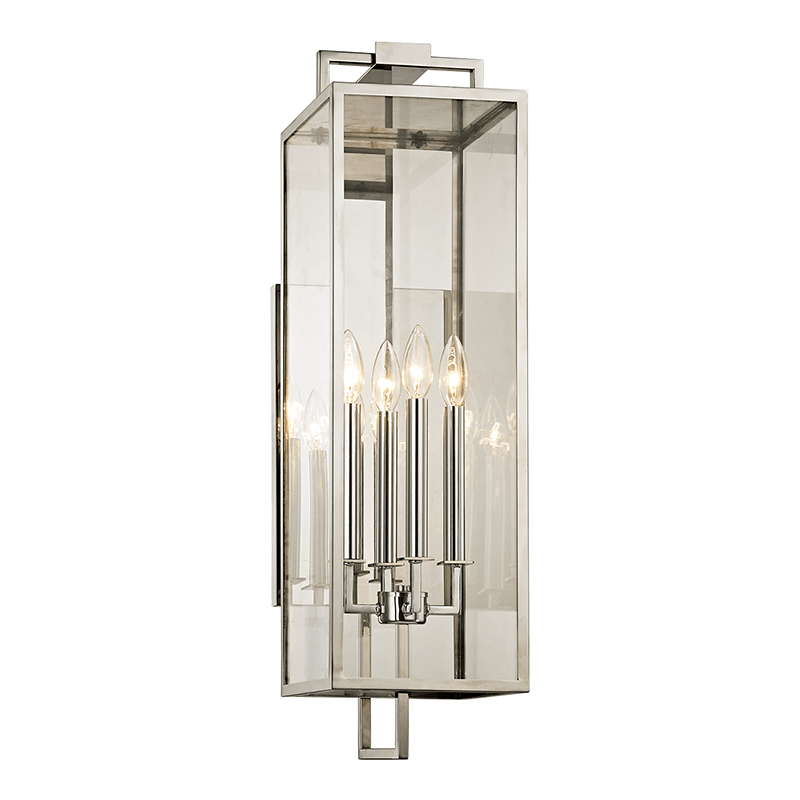

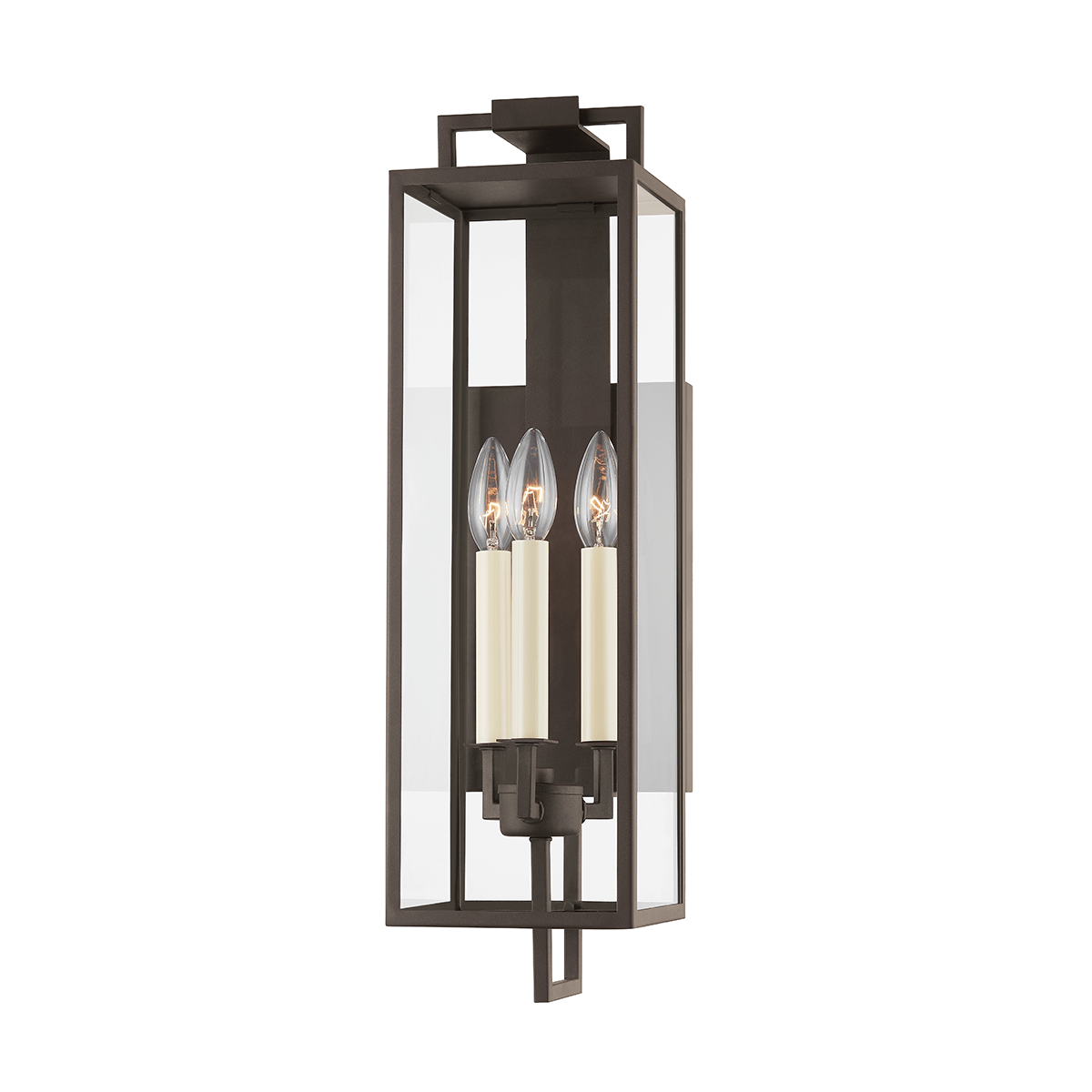
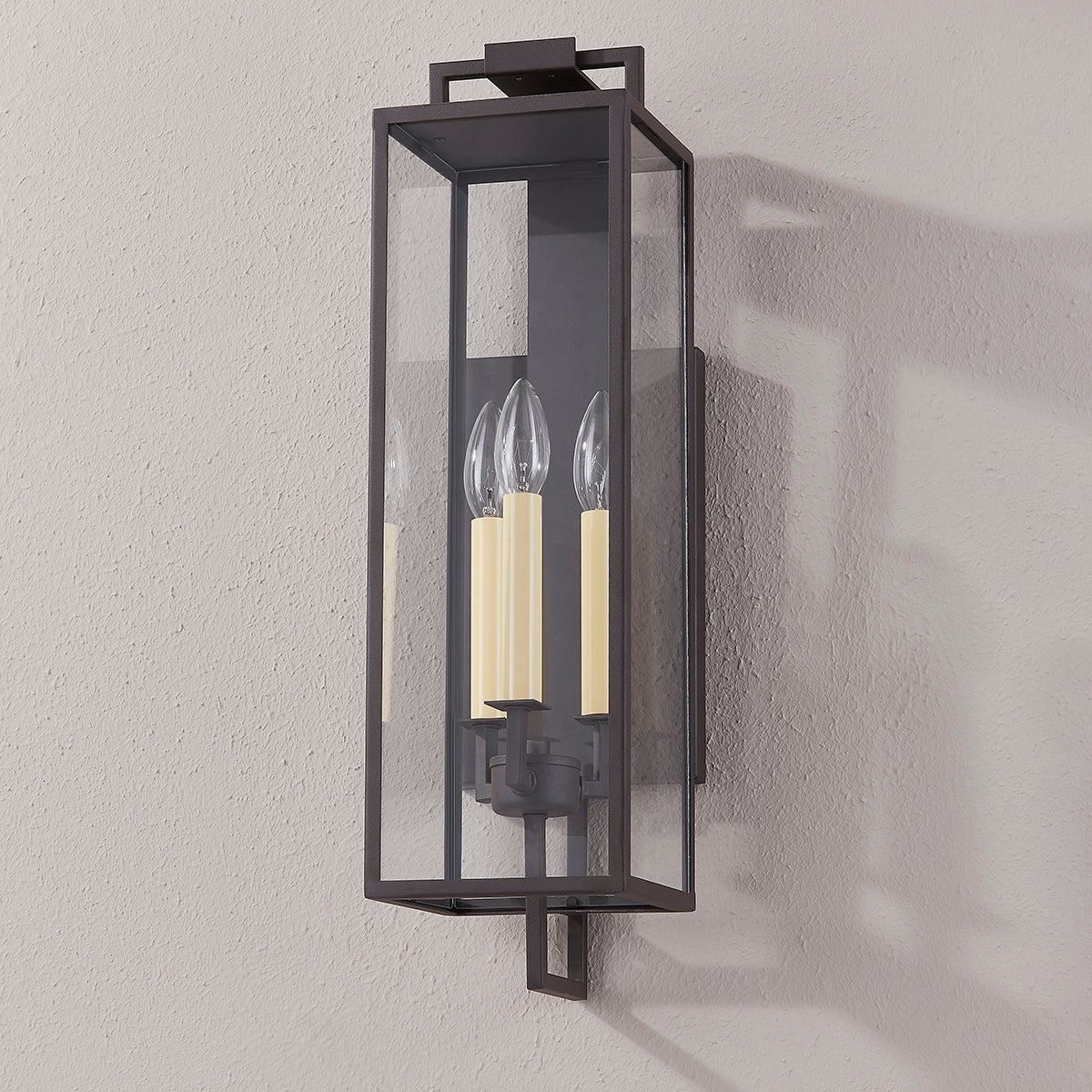
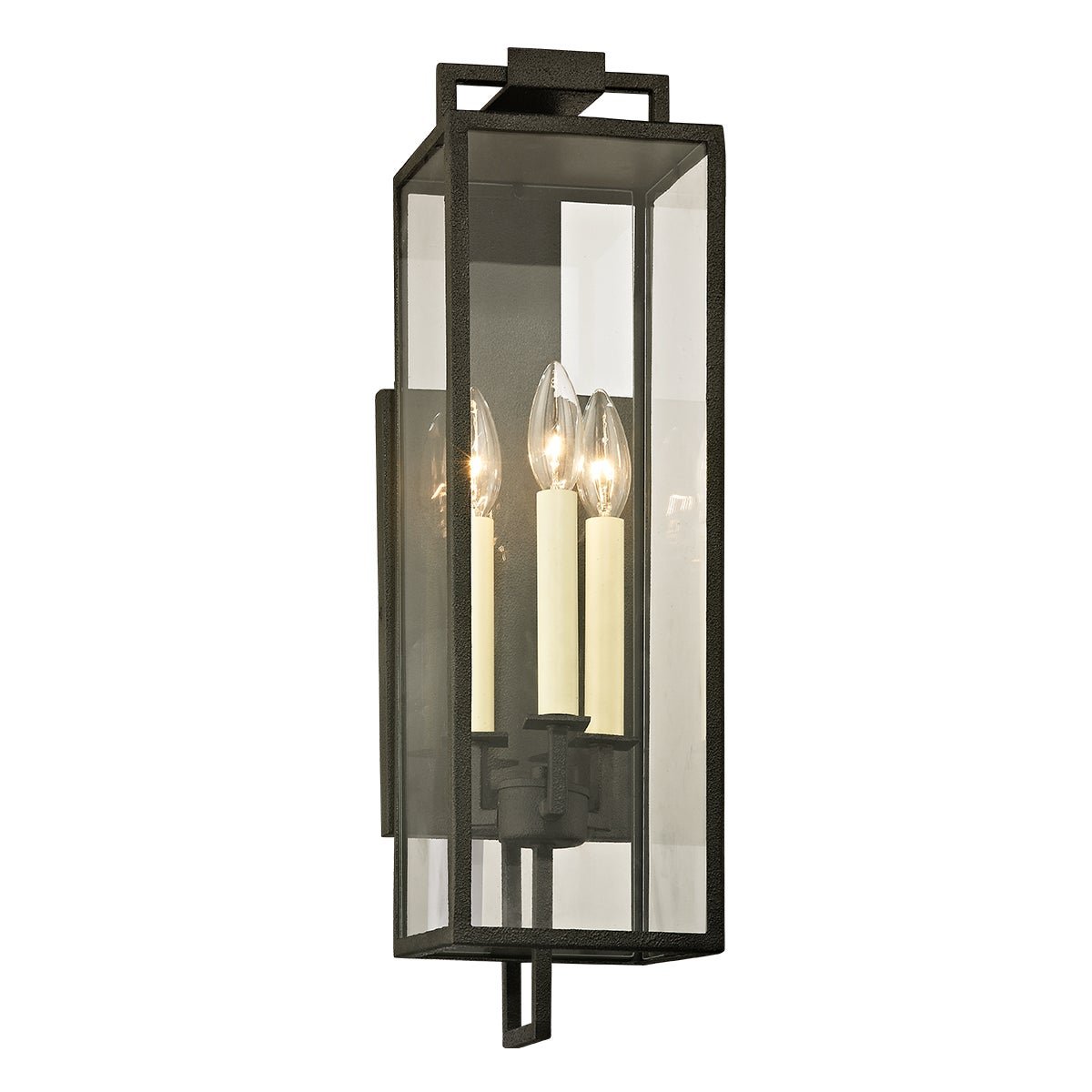

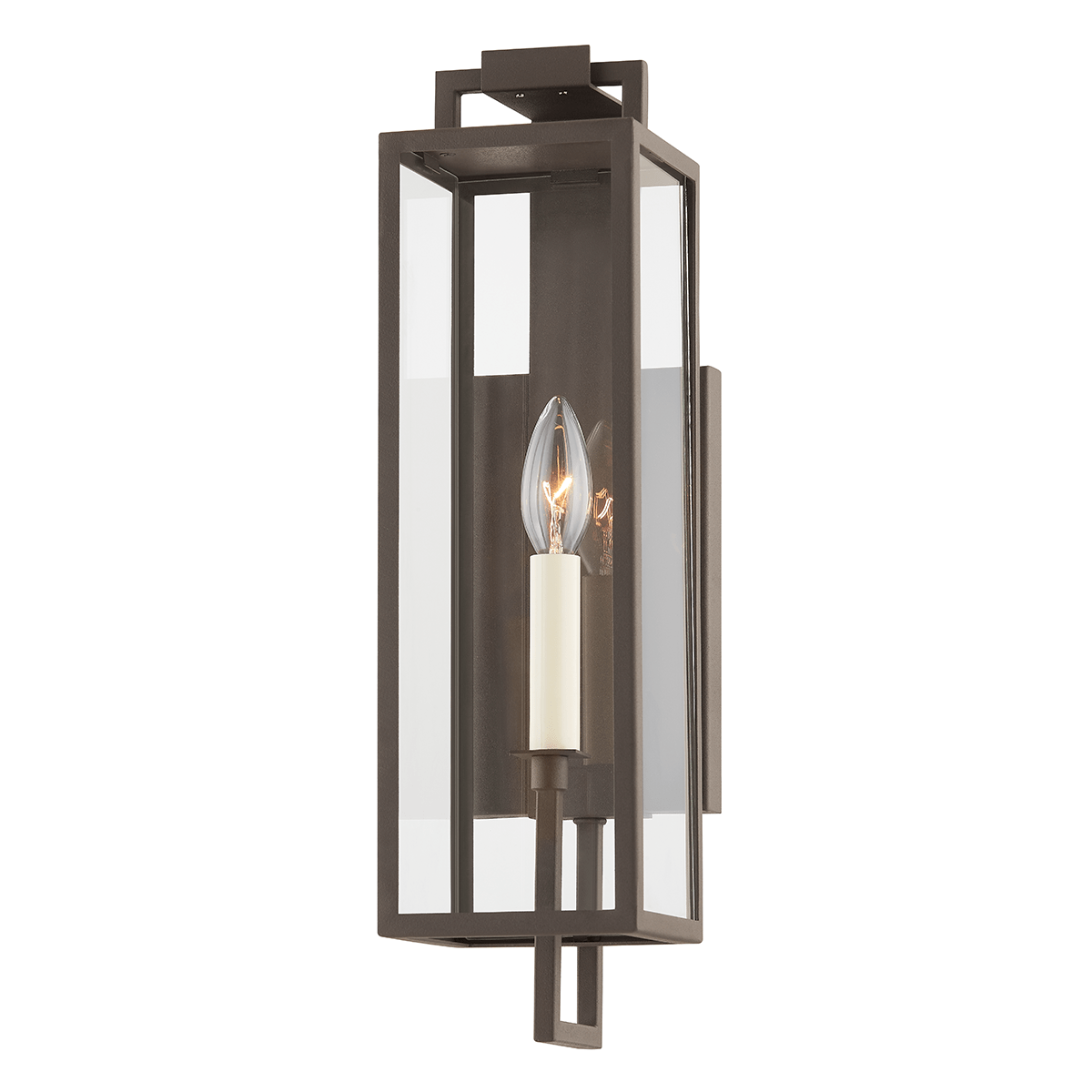
Types of Wall Lighting
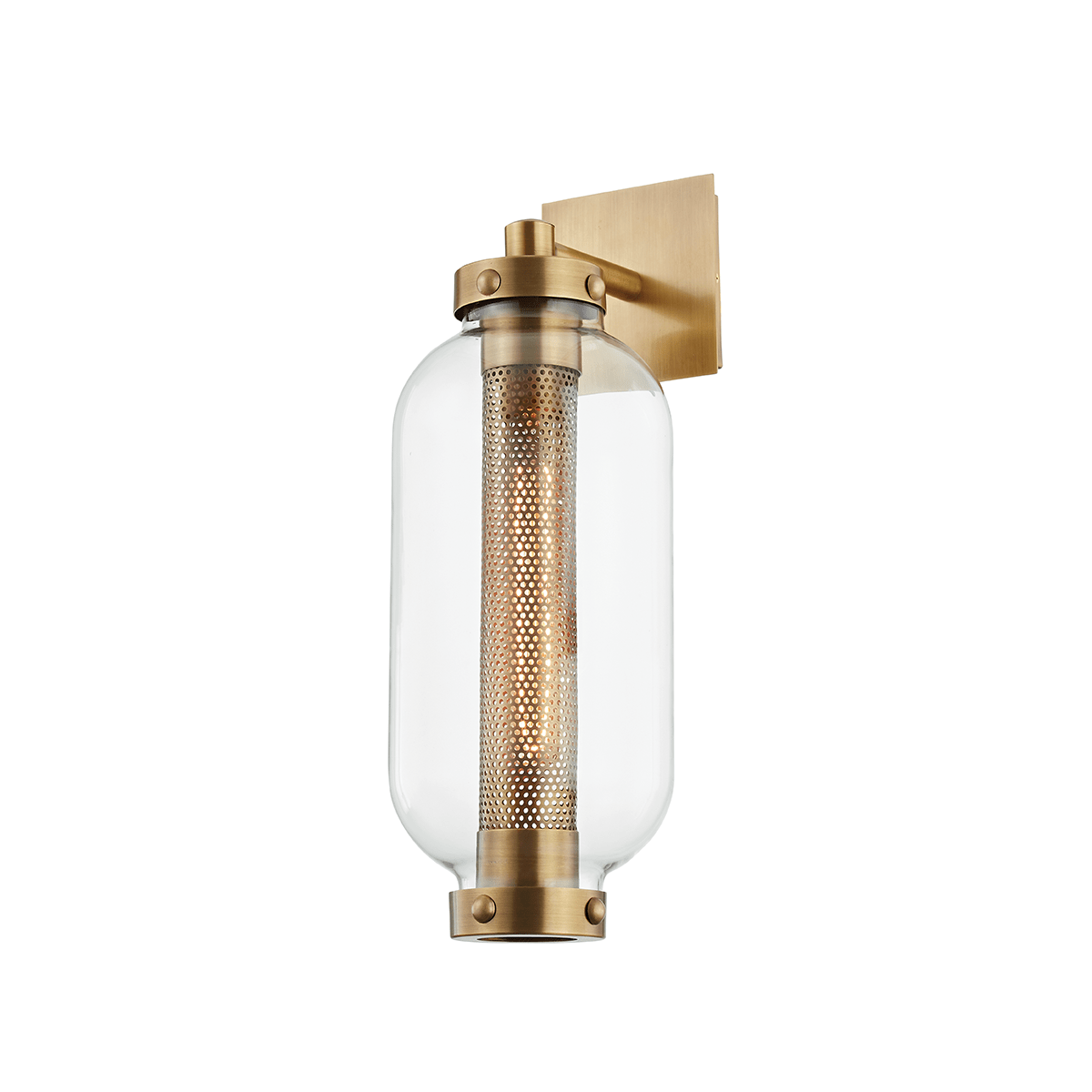
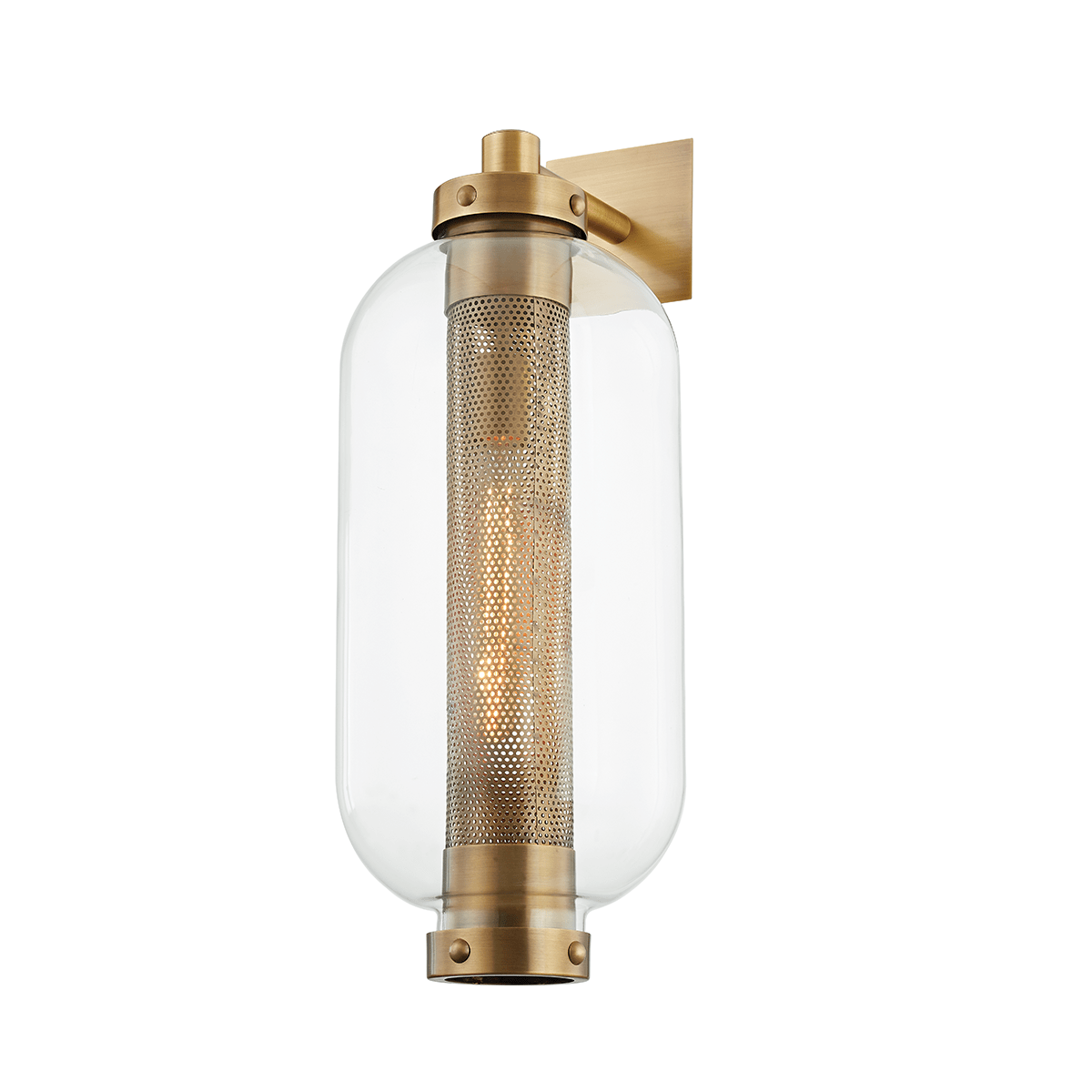
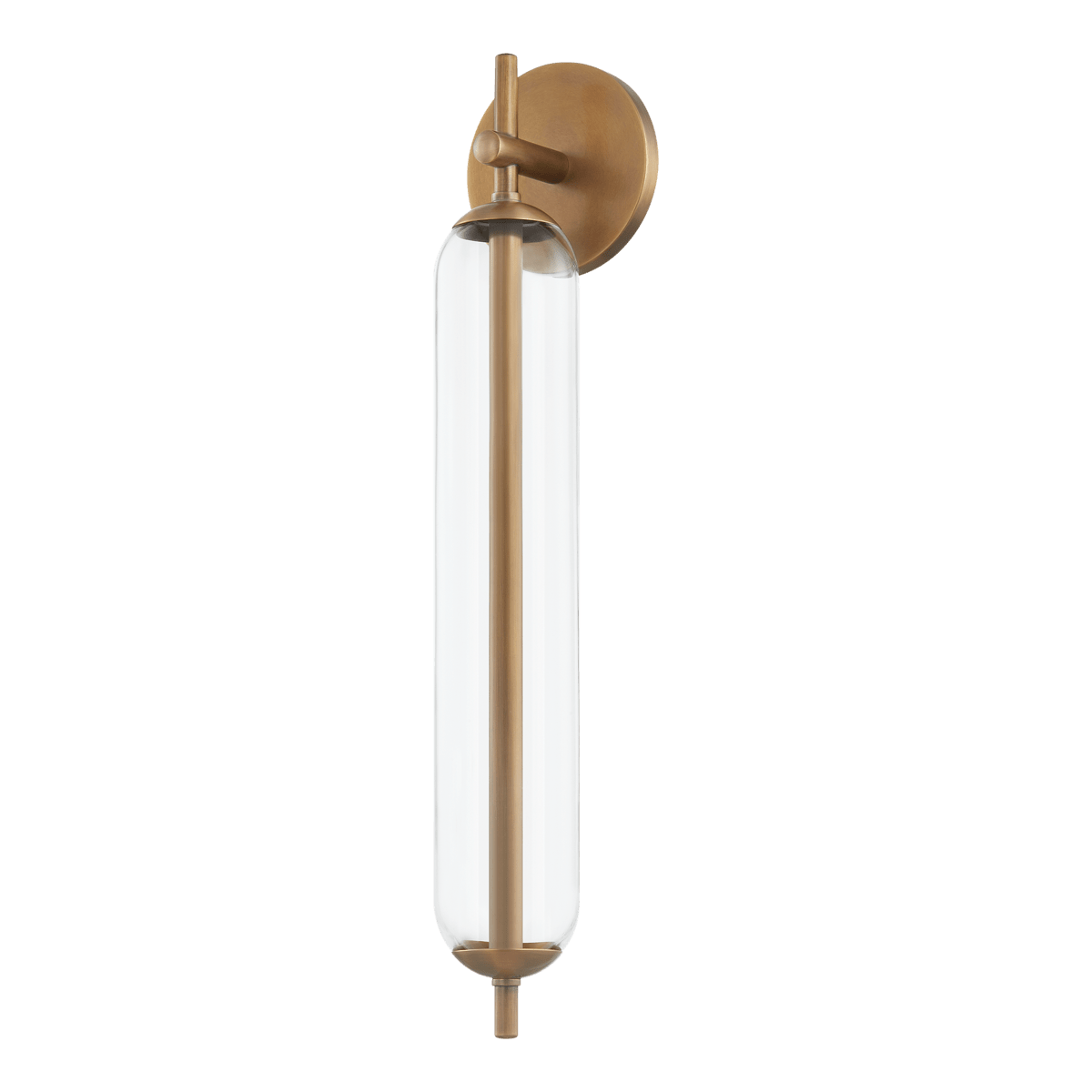
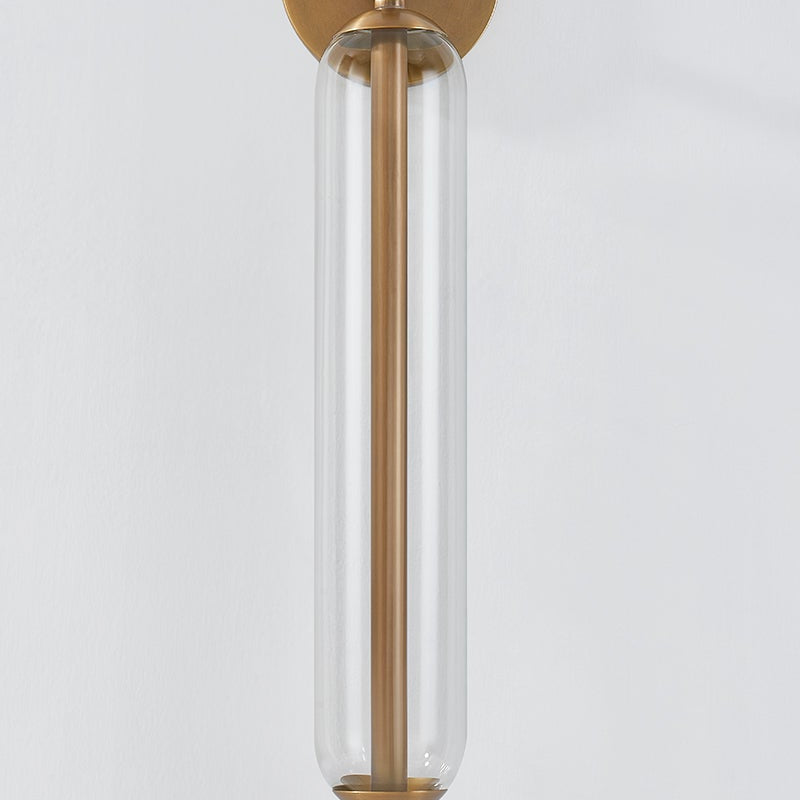
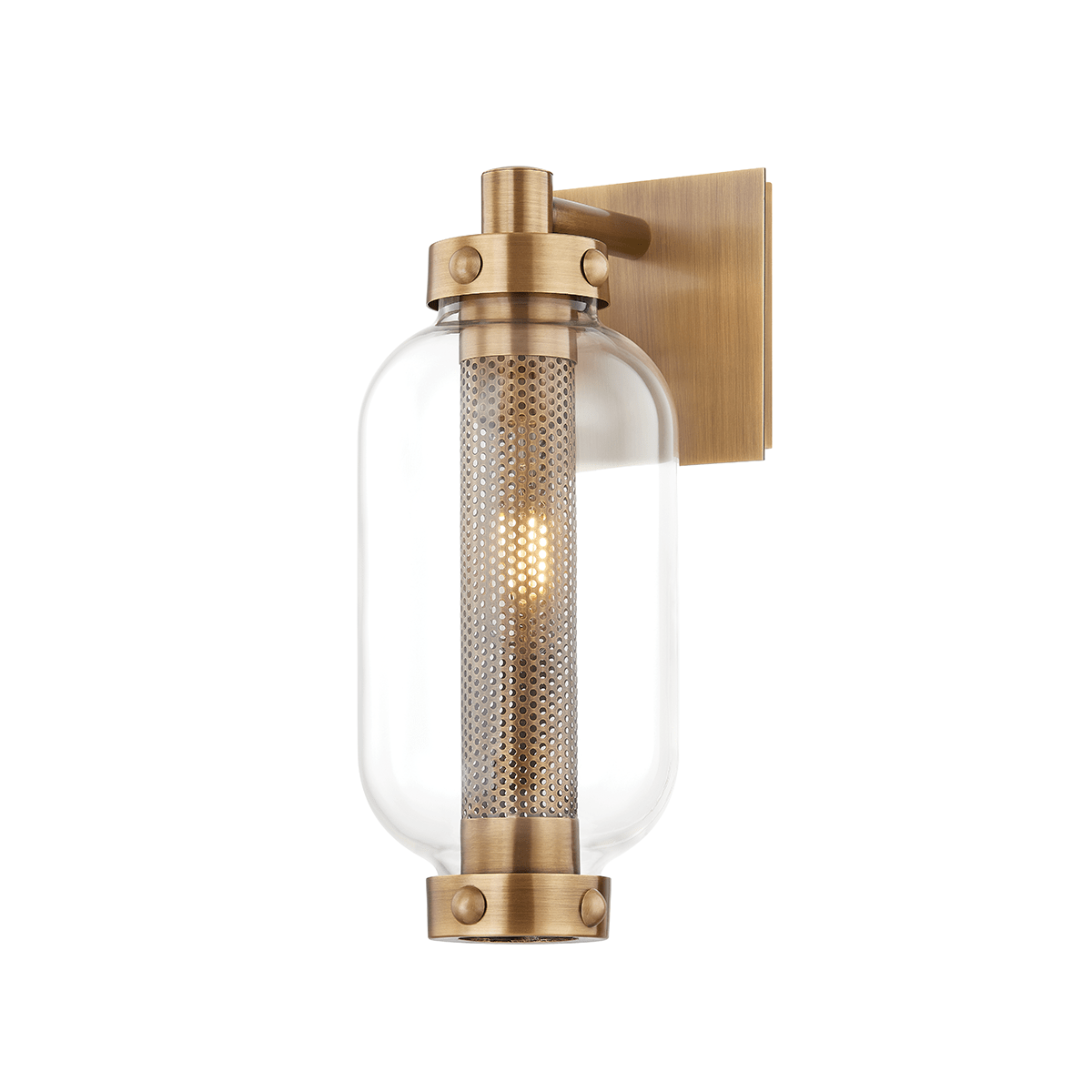
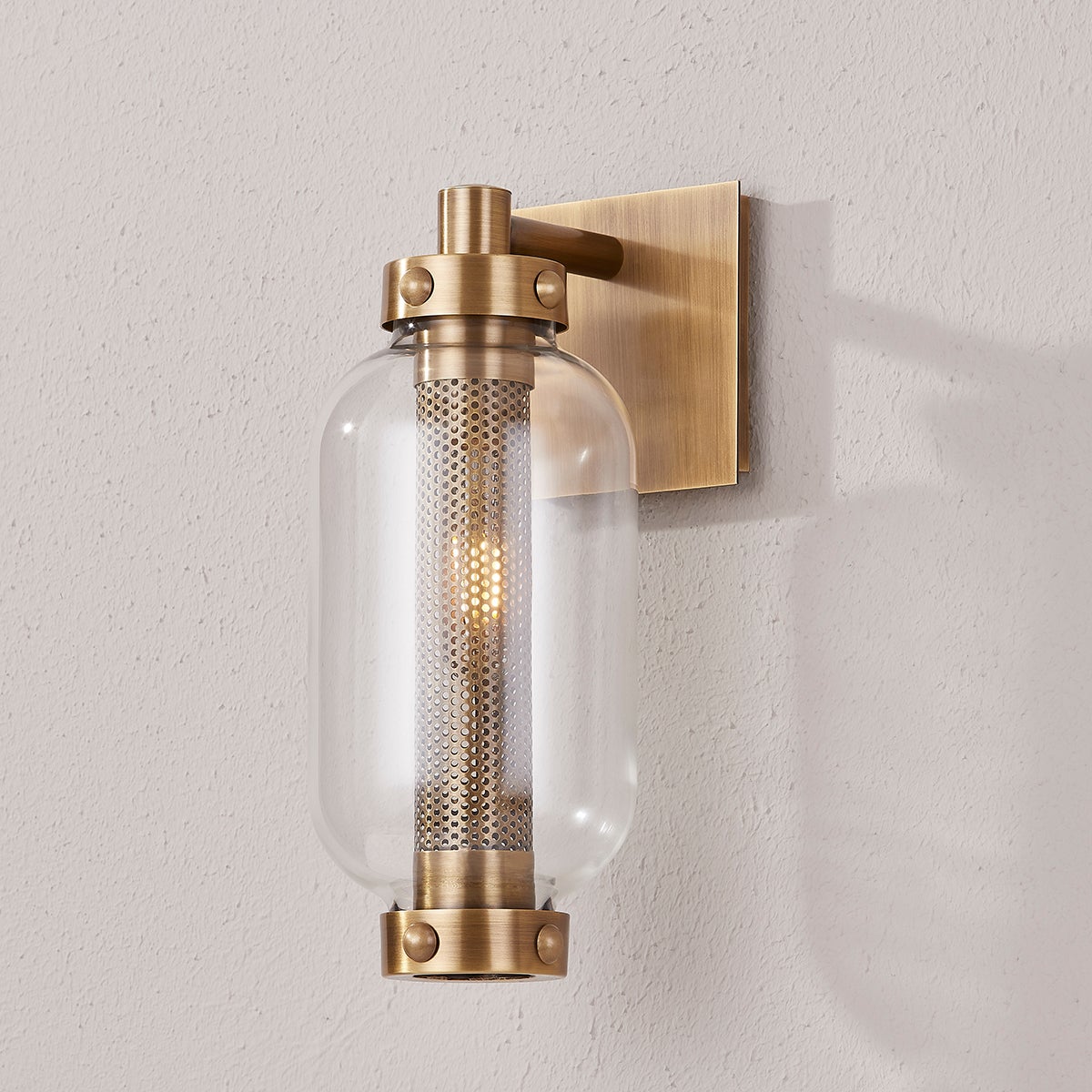
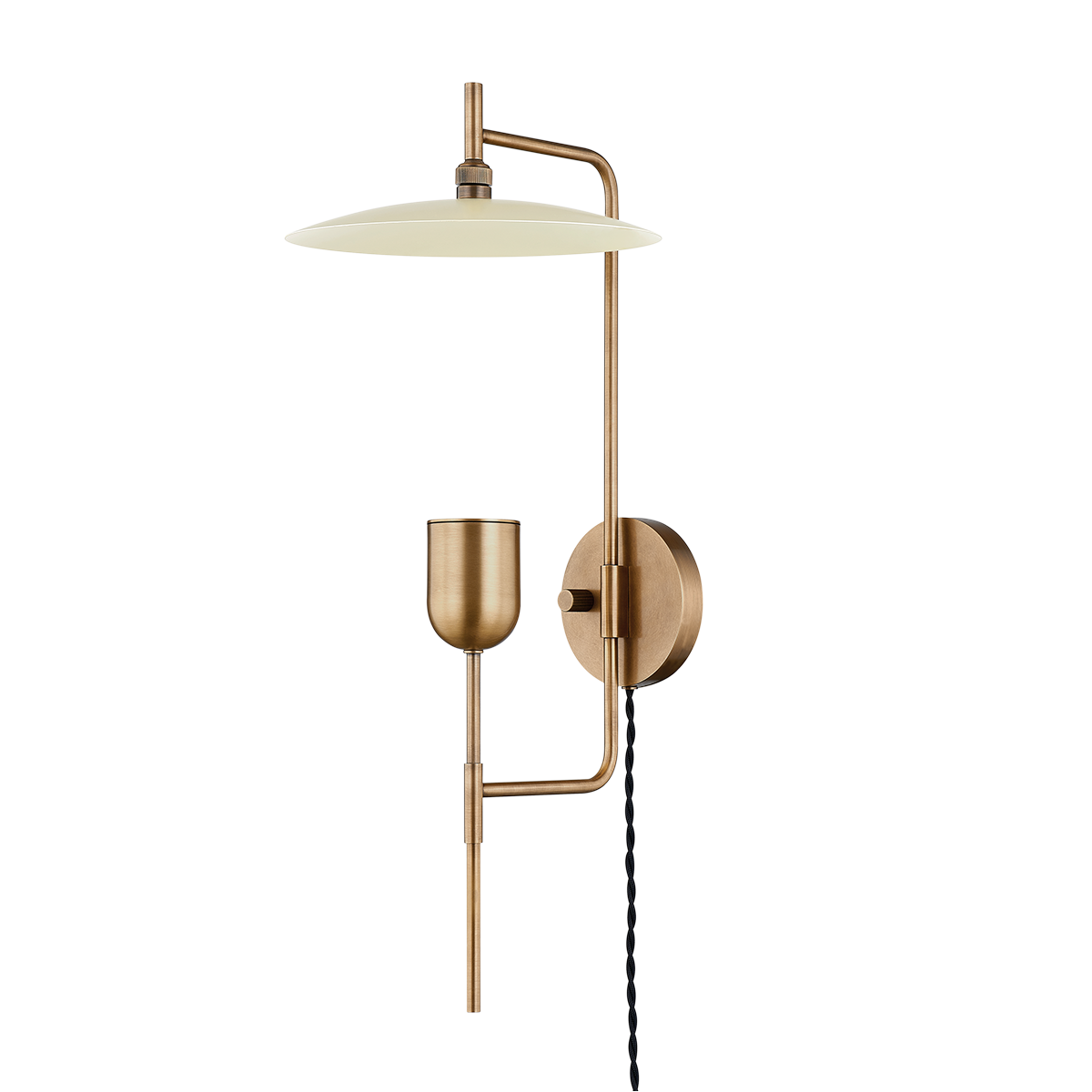
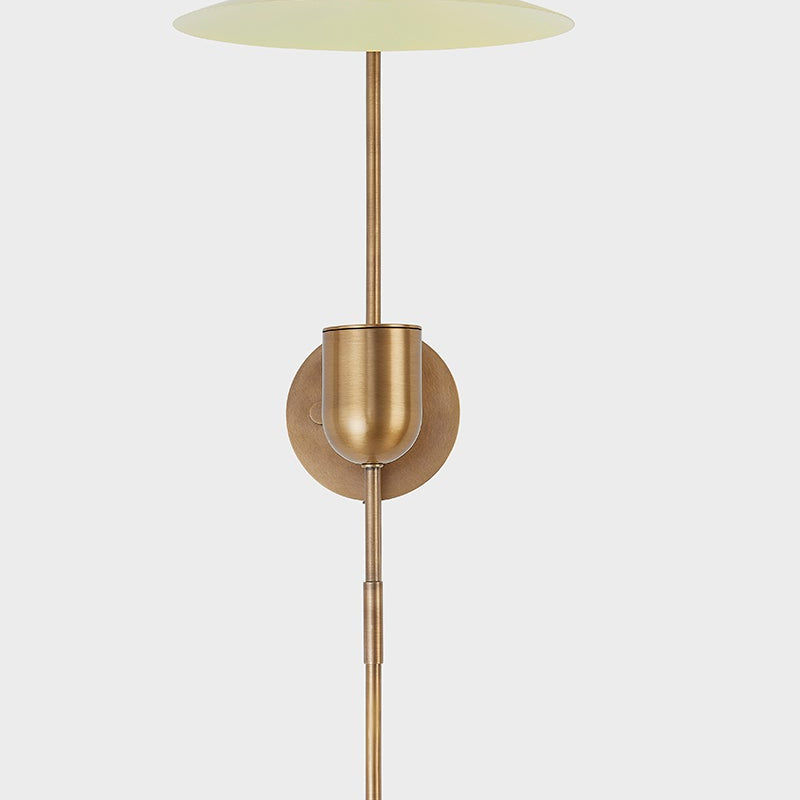
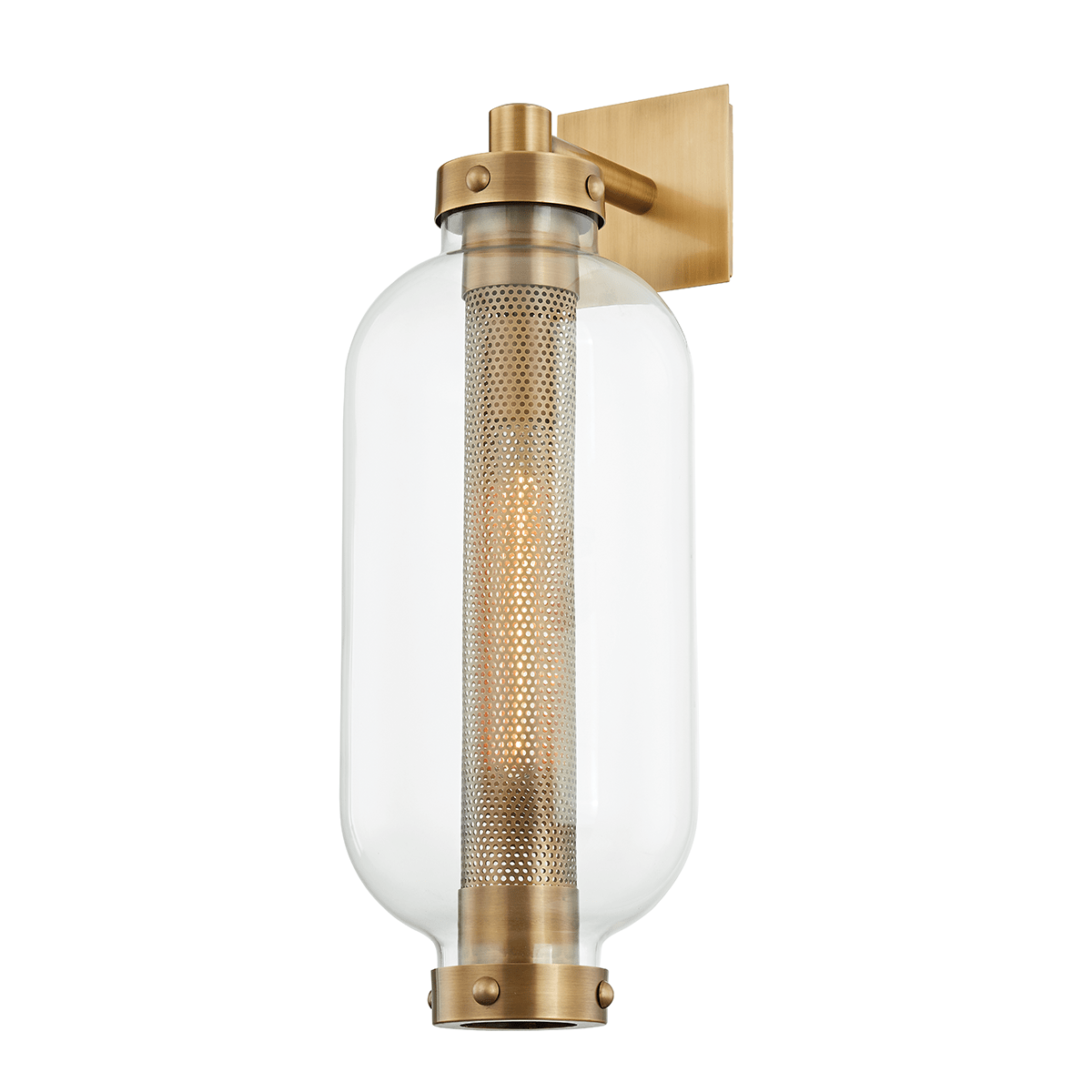
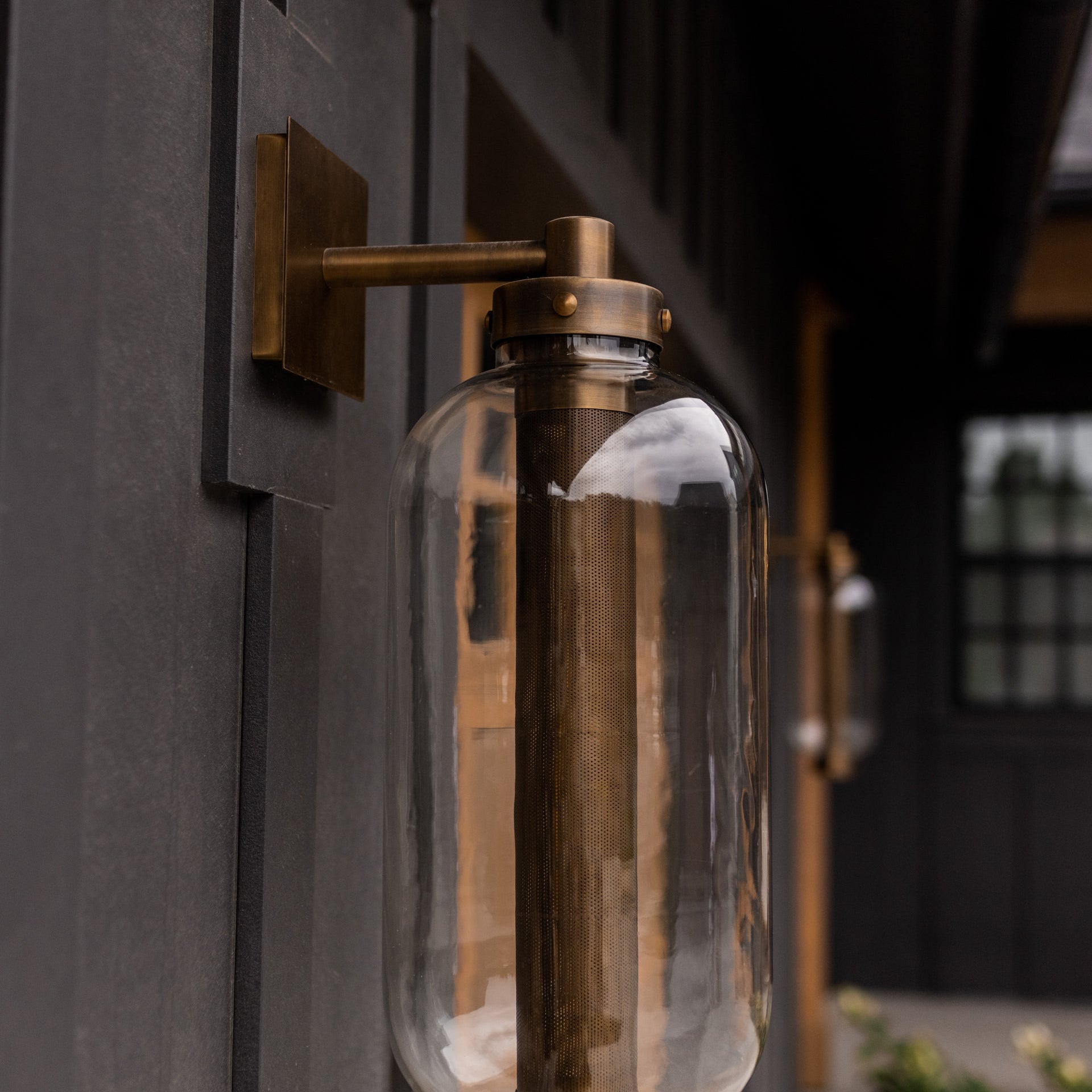
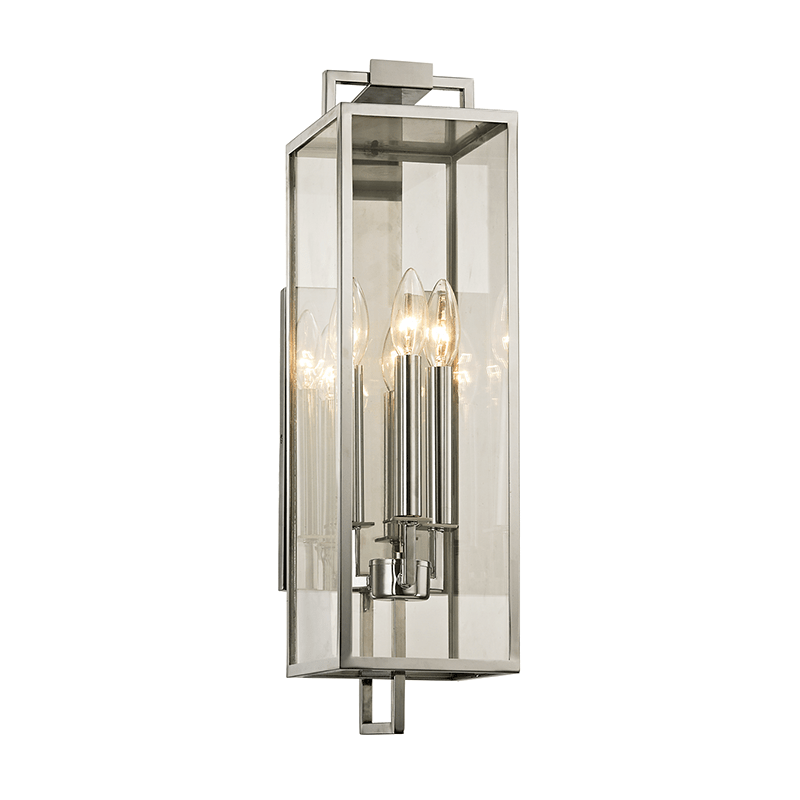
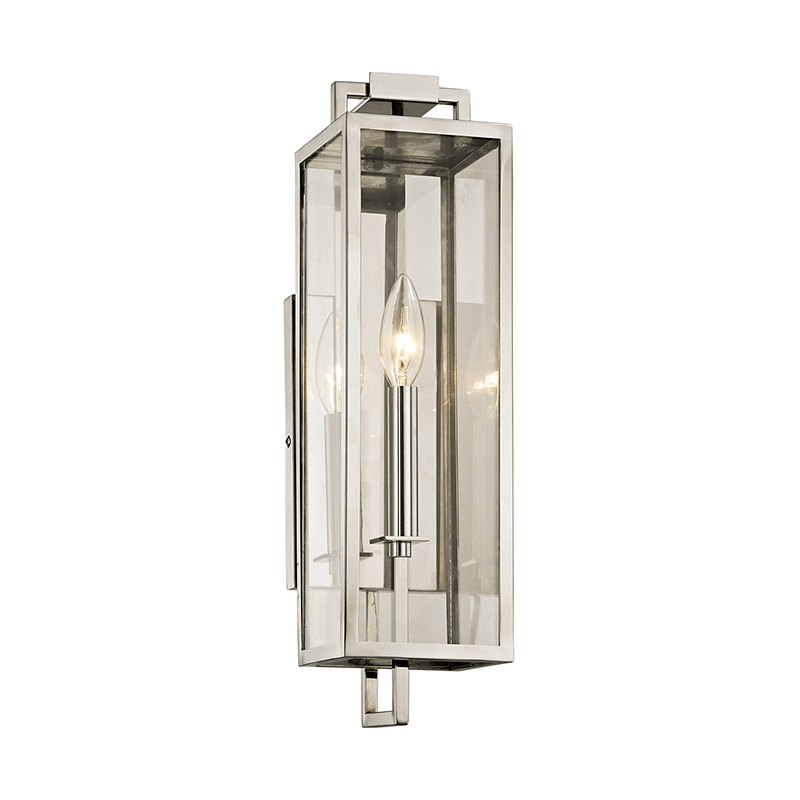
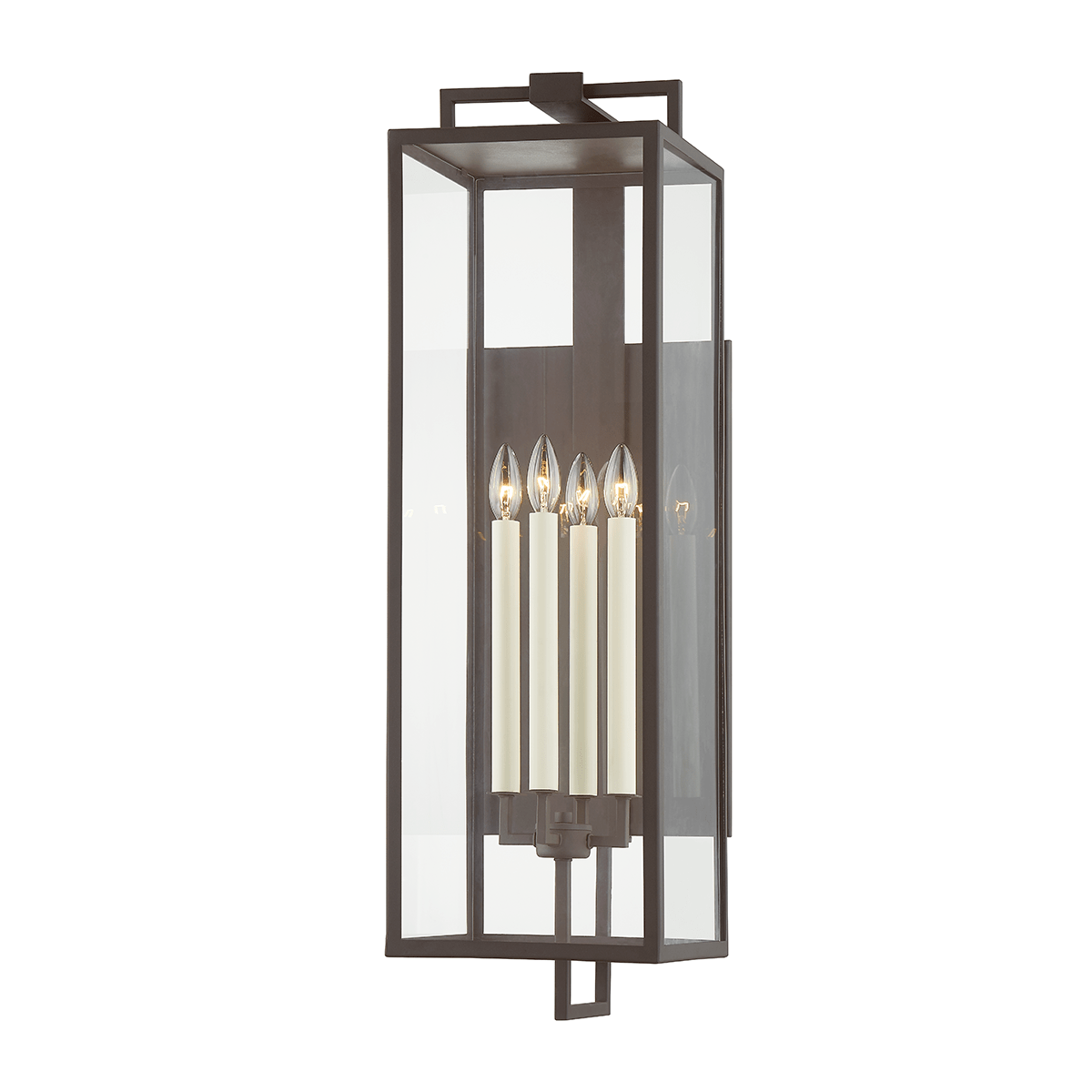
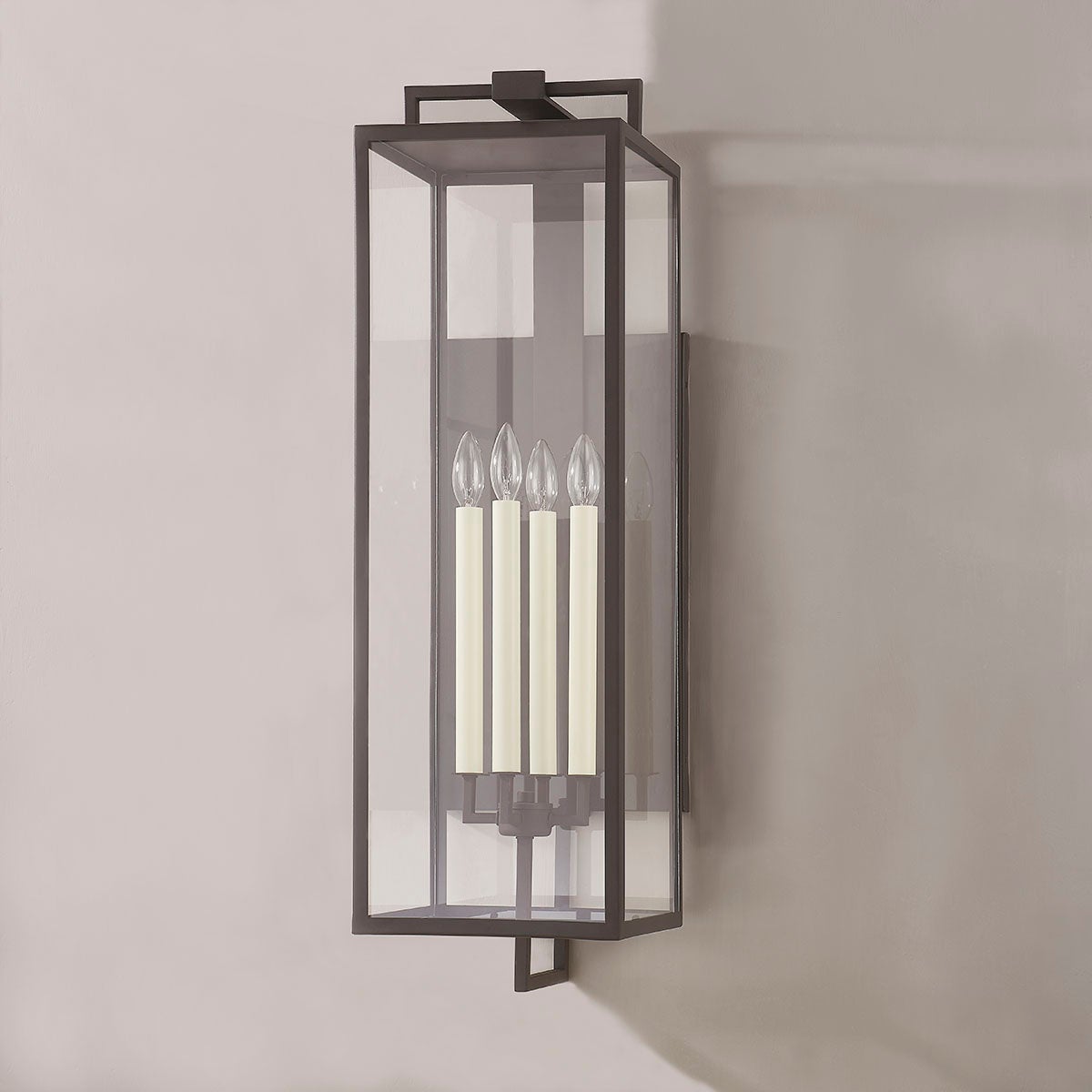
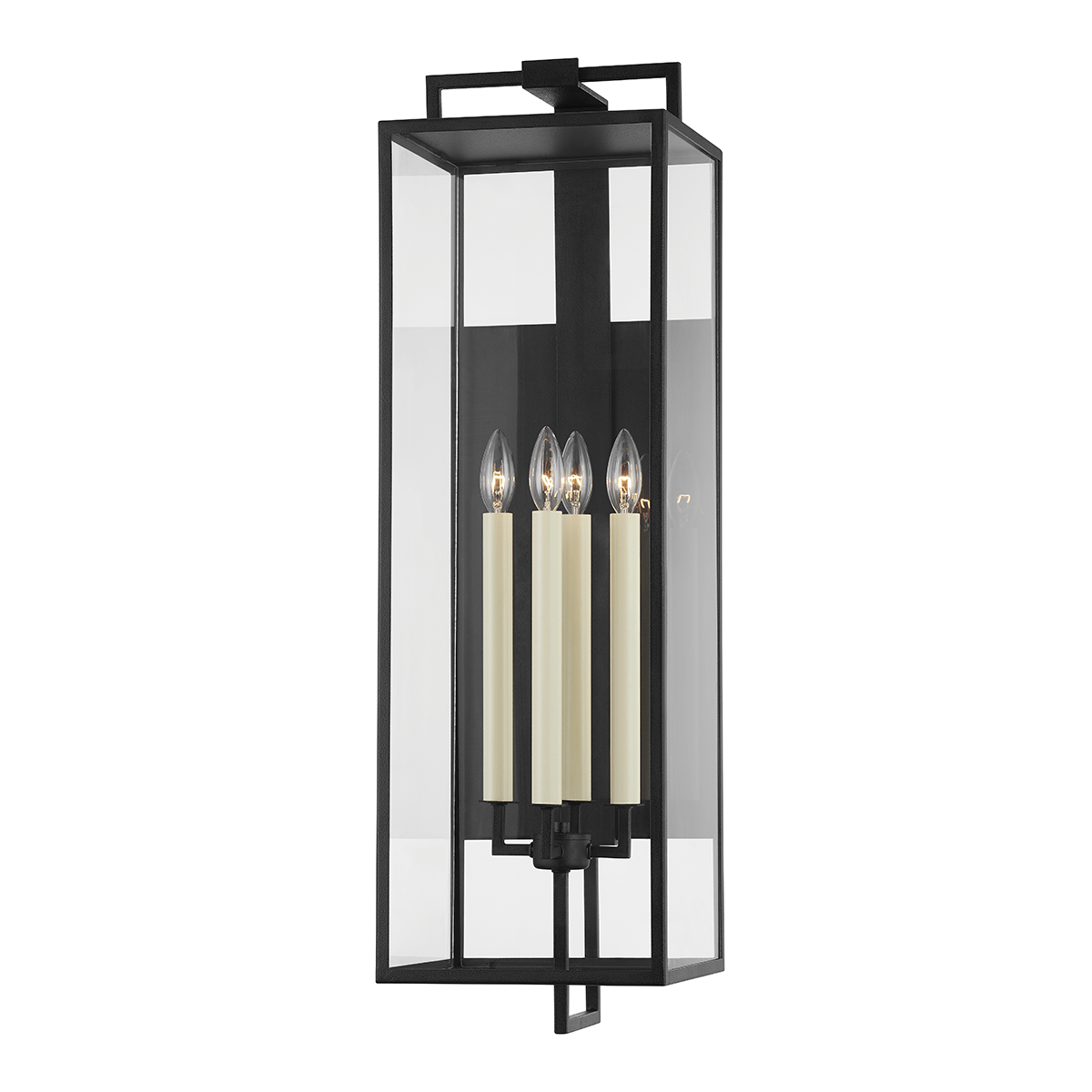
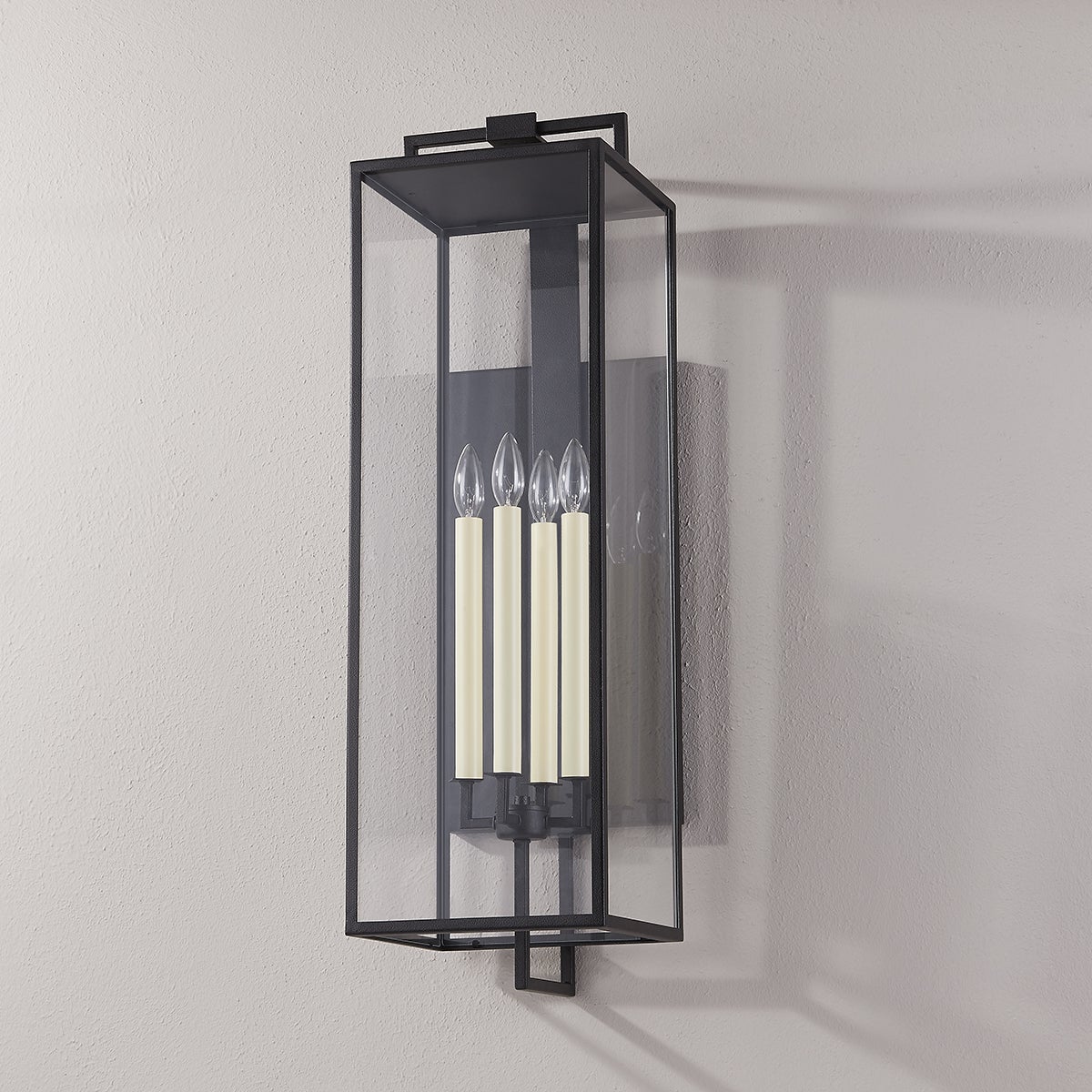
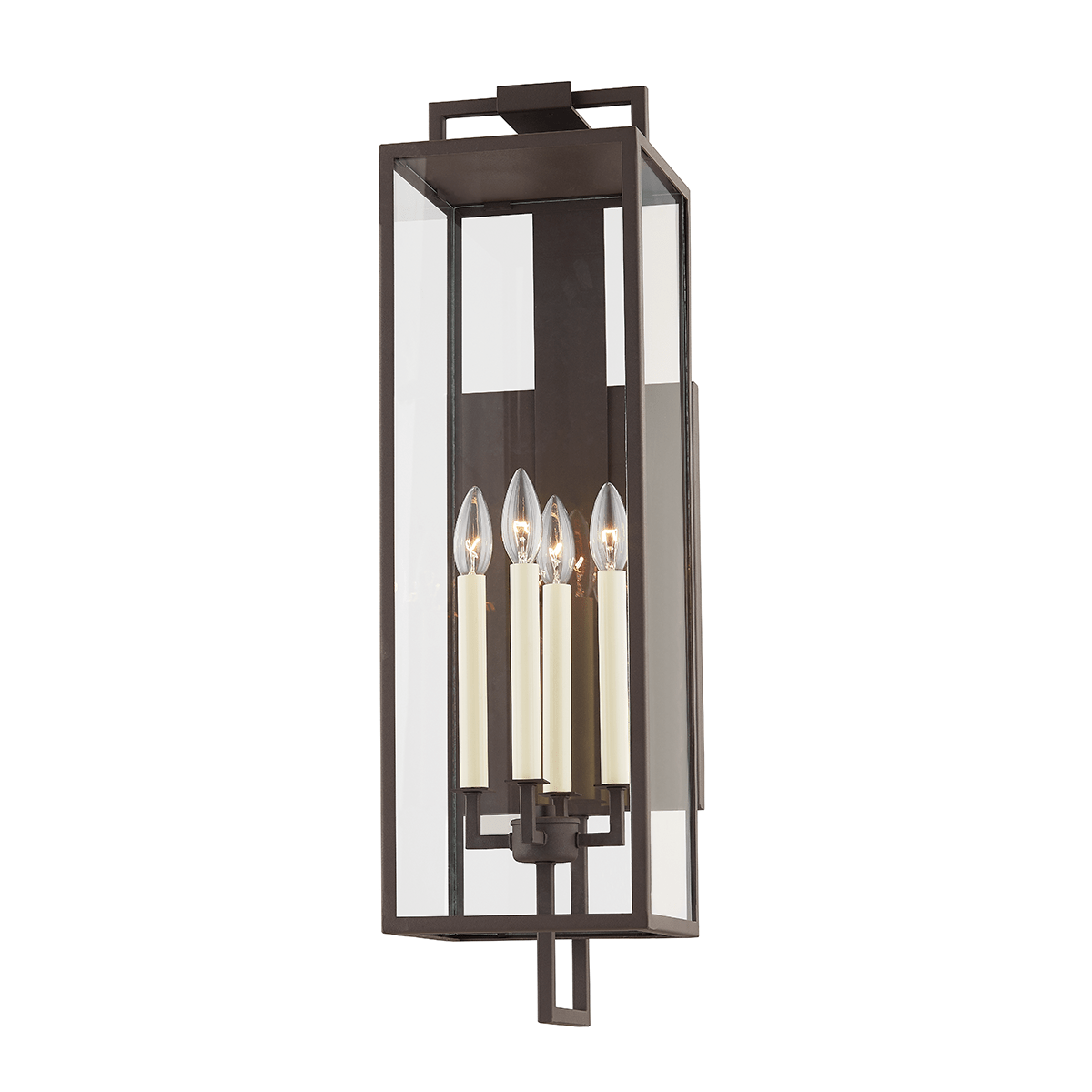
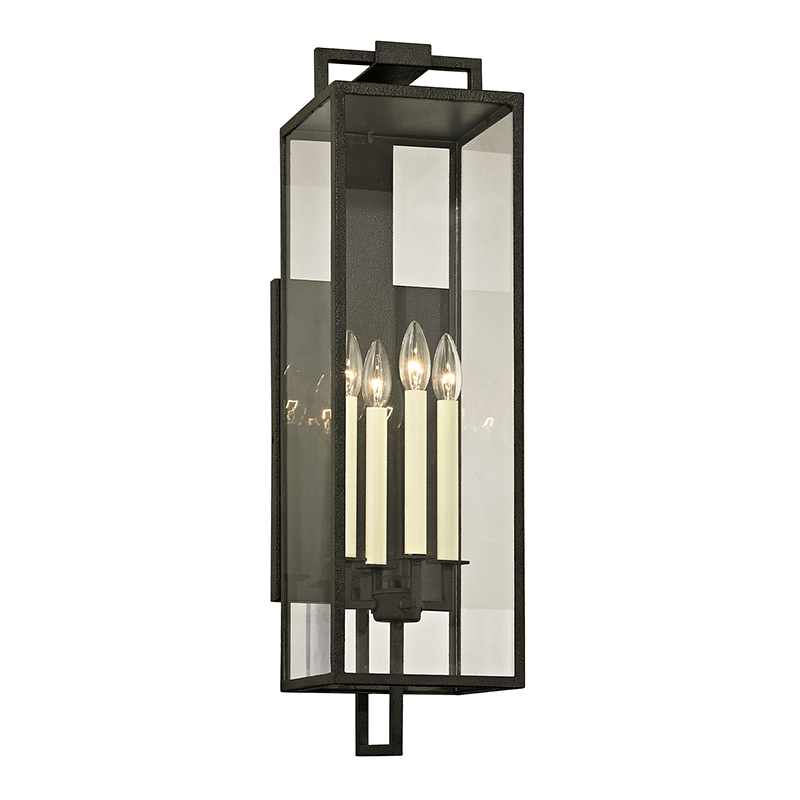
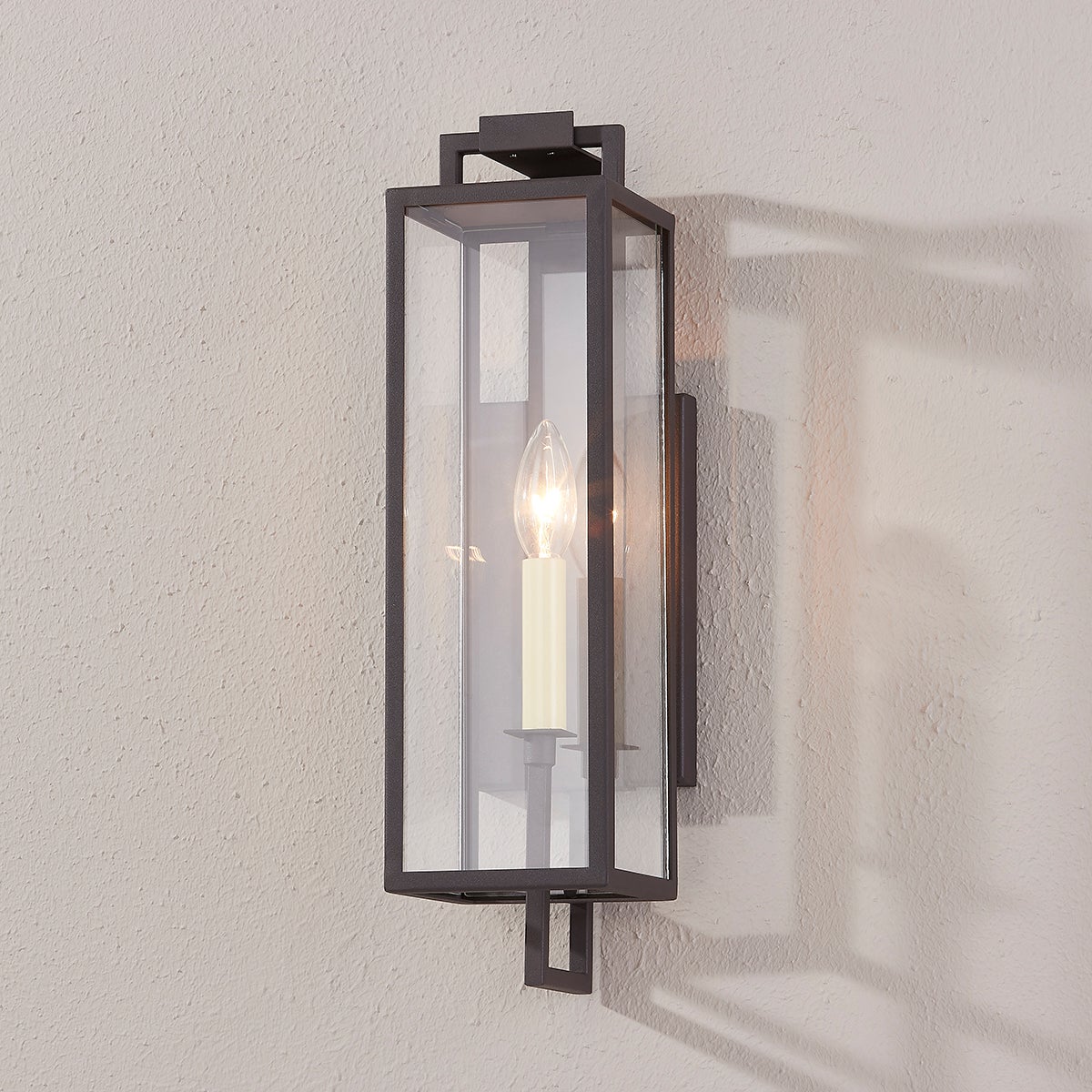
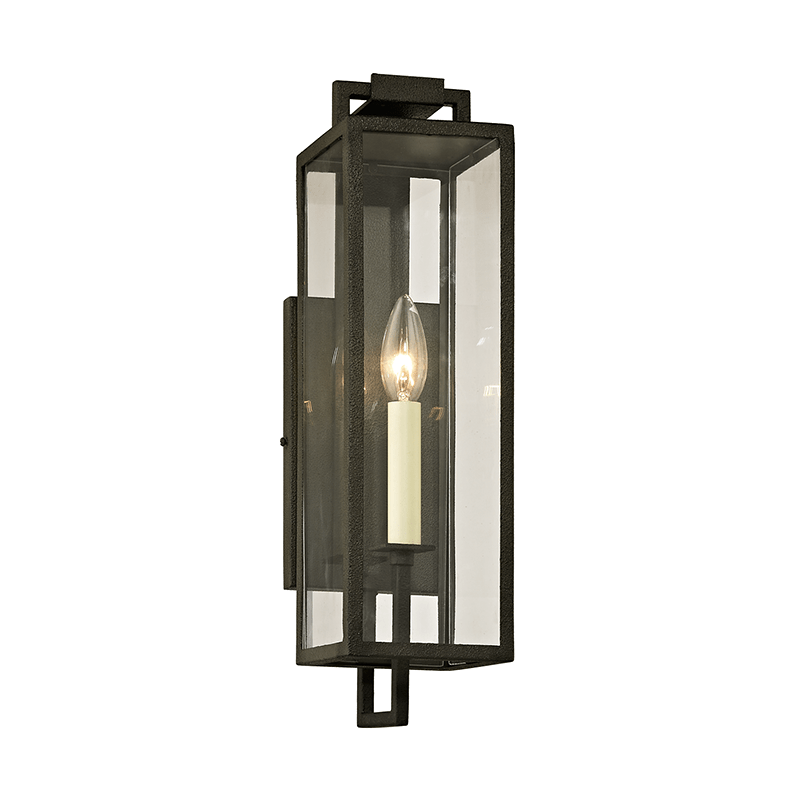
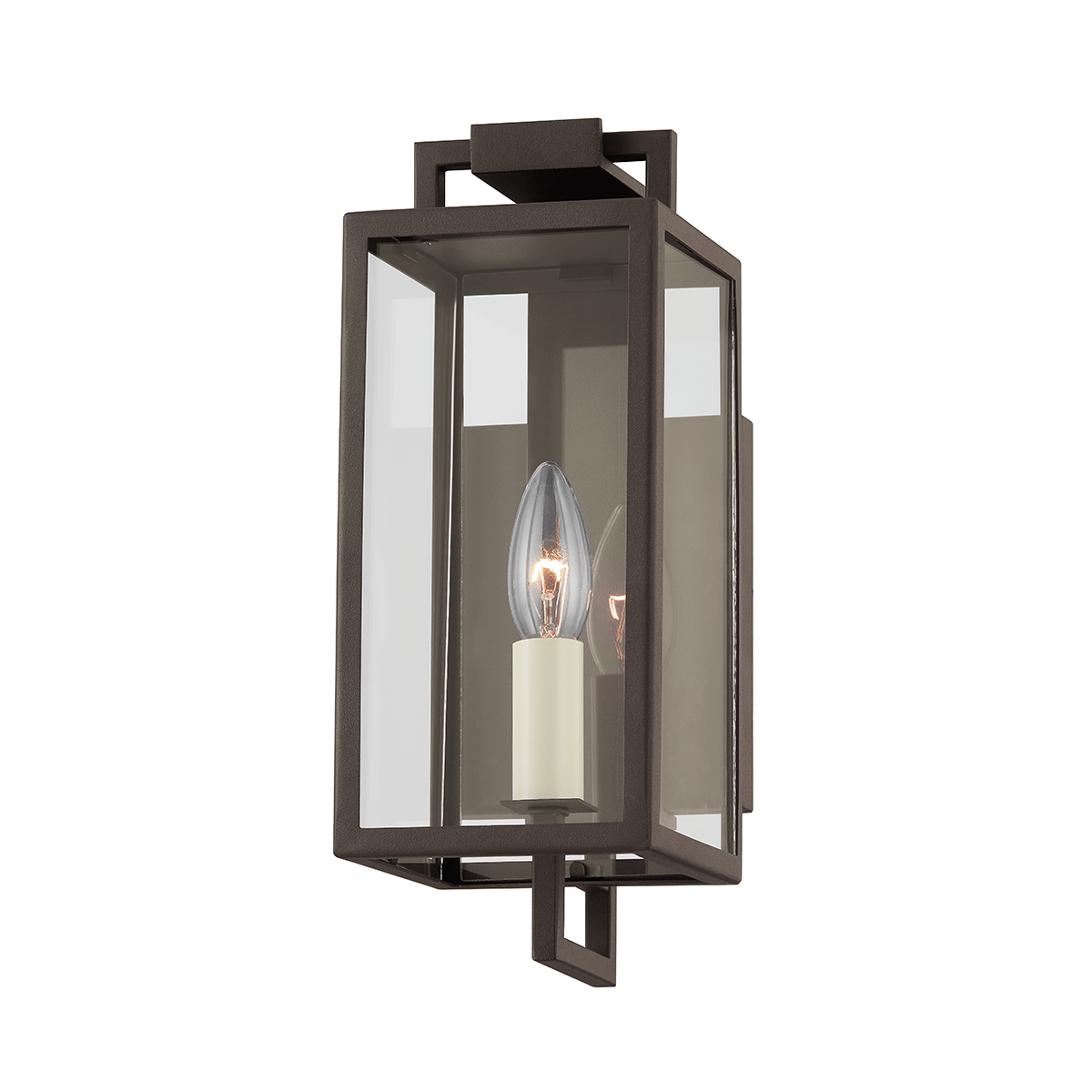
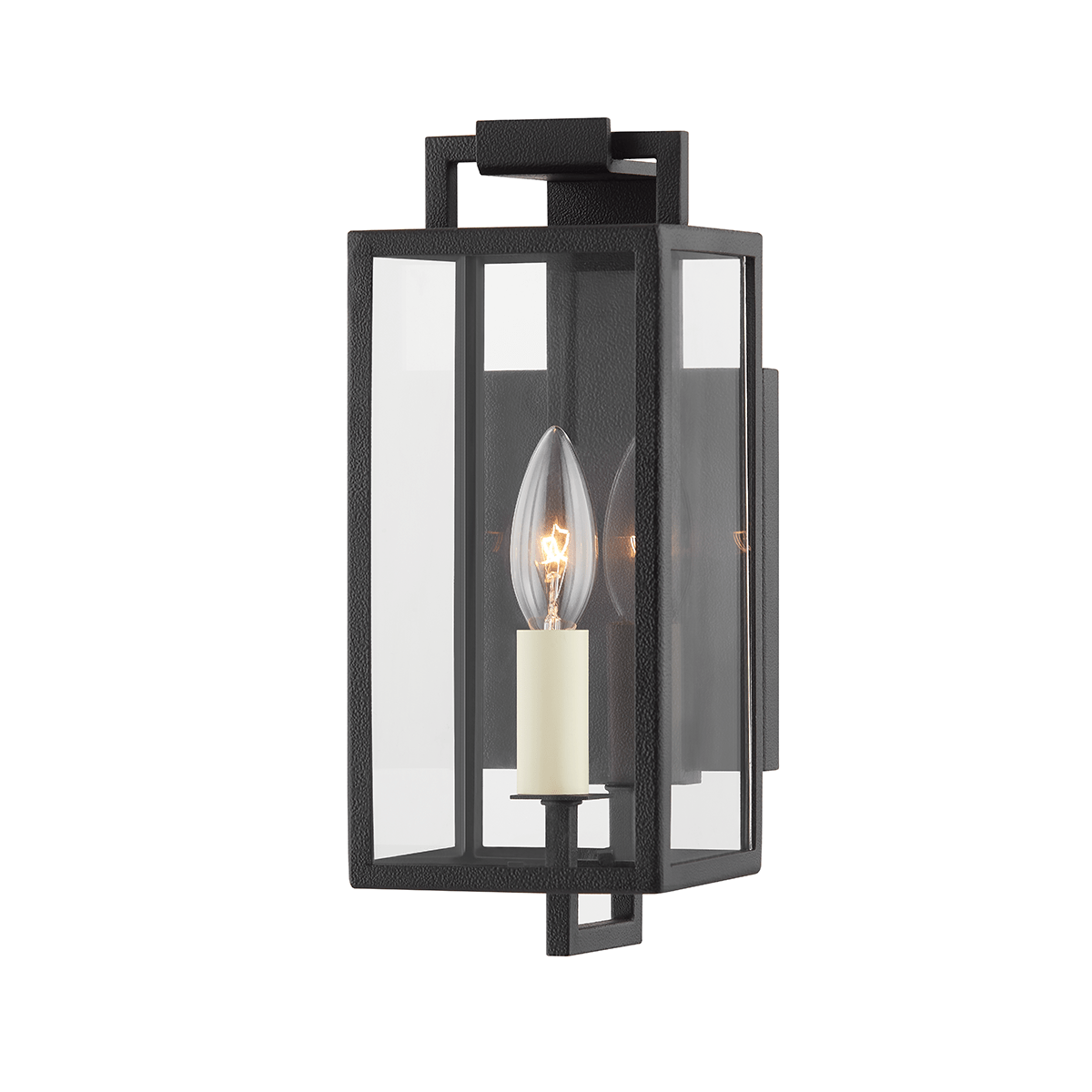
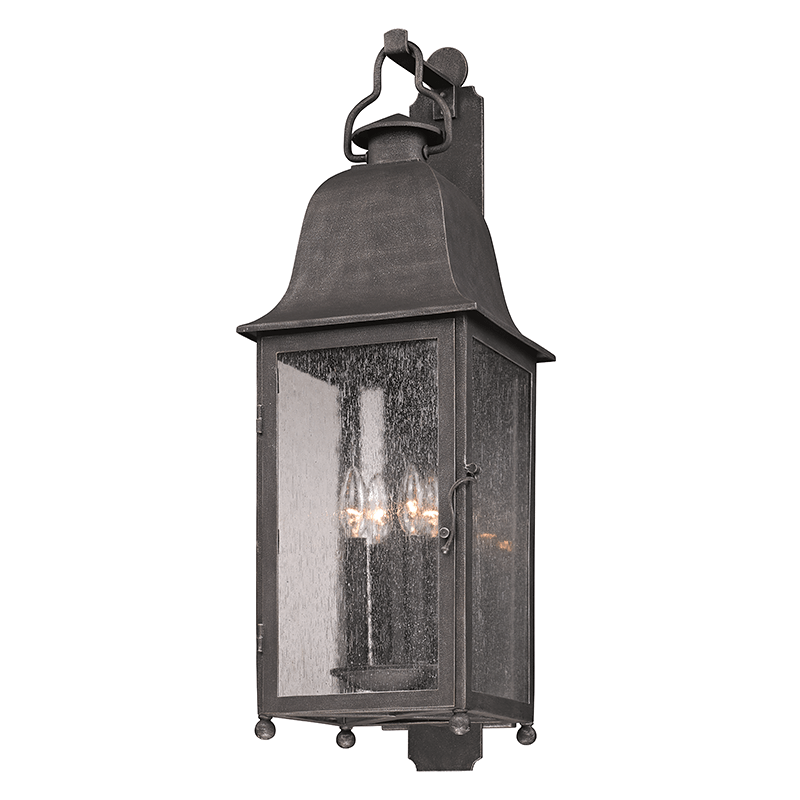
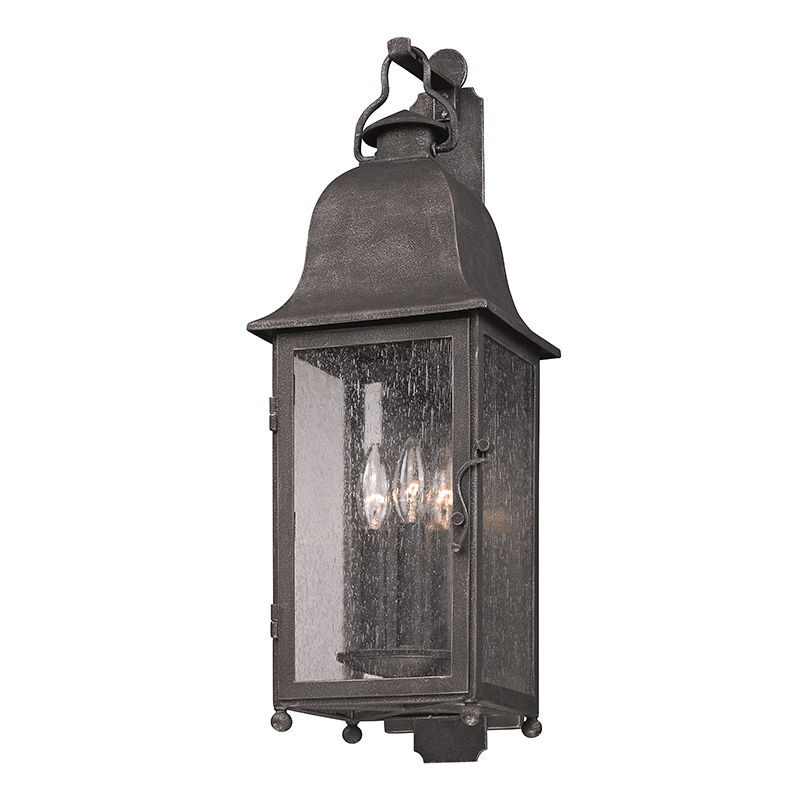
Wall sconces mount flush to the wall and cast light up, down, or both — they work in hallways, flanking bathroom mirrors, and alongside beds as reading lights. Picture lights mount above artwork and direct a focused beam downward to illuminate the piece. Swing-arm wall lamps extend outward and adjust their position — ideal for bedside reading when you want to free up nightstand space. Plug-in sconces install without hardwiring (connect to a wall outlet), while hardwired sconces require electrical box installation.
Placement and Spacing
Bathroom sconces flanking a mirror should be mounted at eye level (60-65 inches from the floor to the center of the fixture) and spaced 28-36 inches apart for even face lighting. Hallway sconces work best every 6-8 feet at the same height, alternating sides for rhythm. Bedroom wall sconces should be mounted 4-6 inches above your shoulder height when sitting up in bed. For artwork, mount the picture light centered above the frame with the light angled at 30 degrees toward the wall.
Frequently Asked Questions
Do wall sconces need to be hardwired?
Not all. Some sconces are available in plug-in versions that connect to a standard wall outlet — the cord runs down the wall and plugs in, no electrician needed. Hardwired sconces connect directly to an electrical box in the wall for a cleaner look with no visible cord. If you are renting or do not want to open walls, plug-in sconces are the practical choice. For permanent installations, hardwired looks more polished. Check individual product listings for wiring options.
What size wall sconce do I need?
For hallways and bathrooms, sconces with a 4-6 inch width (projection from wall) and 10-14 inch height work in most spaces. For bedside use, choose compact sconces under 10 inches wide to avoid interfering with headboard space. Larger sconces (12+ inches wide) suit entryways and living rooms where they serve as statement pieces. As a rule, wall sconces should be proportional to the wall space — a tiny sconce on a large empty wall looks lost.
Can I use wall sconces as the primary light in a bathroom?
Wall sconces work as primary vanity lighting when mounted on both sides of the mirror — this eliminates shadows on the face better than overhead lighting alone. For a larger bathroom, combine sconces with a flush mount or recessed lighting for overall ambient light. Sconces alone may not provide enough light for a bathroom without windows. In bathrooms, ensure your sconces are rated for damp locations (check the UL rating).