Pendant Styles by Room
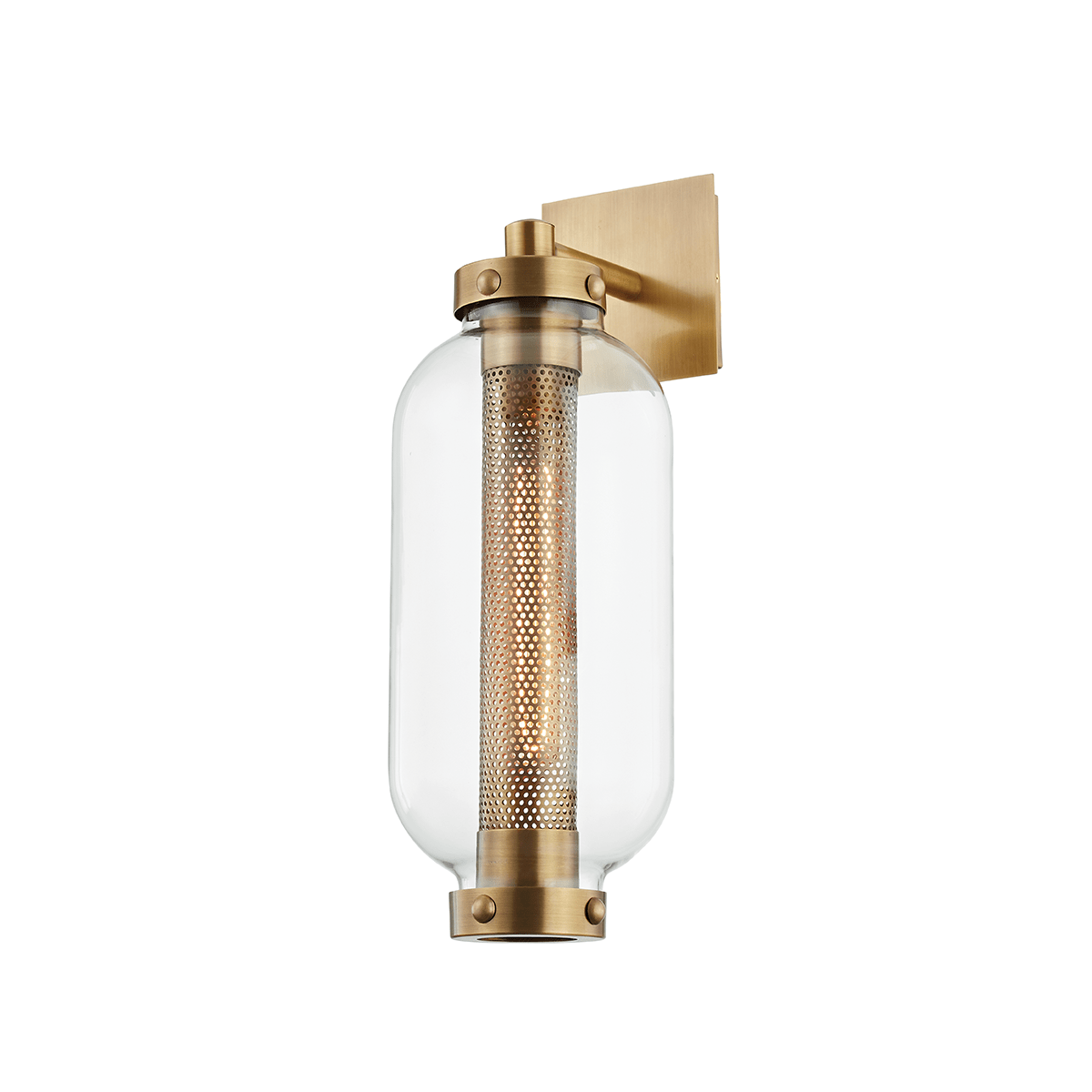
Kitchen islands work best with 2-3 matching pendants hung in a row, spaced 24-30 inches apart and 30-36 inches above the counter surface. Dining areas can use a single large pendant or a cluster of smaller pendants at varying heights. Entryways and foyers benefit from a single oversized pendant that draws the eye upward. Bedside pendants (hung 18-24 inches above the nightstand) free up table space compared to table lamps. Hudson Valley and Mitzi offer the widest range of pendant sizes and styles in our collection, with Dovetail contributing rattan and natural material options.
Choosing the Right Pendant Size
For kitchen islands, pendant diameter should be 6-12 inches — small enough to not block sightlines across the counter. For dining tables, pendants or cluster fixtures should be 12 inches narrower than the table and hang 28-34 inches above the surface. For entryways, the pendant width should be roughly one-third of the entry width. Statement pendants (16+ inches in diameter) work in rooms with 9-foot ceilings or higher. In rooms with 8-foot ceilings, choose compact pendants or semi-flush designs that minimize vertical drop.
Frequently Asked Questions
How many pendants do I need over a kitchen island?
For a 6-foot island, two pendants work well. For an 8-foot island, three pendants provide even coverage. Space them 24-30 inches apart (measured center to center) and center the group over the island length. Hang them 30-36 inches above the counter surface, or 72 inches above the floor. If your island has seating on one side, shift the pendants slightly toward the work surface side.
Can I use a pendant light in a bathroom?
Yes, but check the UL rating. Pendants rated for damp locations can be used in bathrooms where they are not directly over a shower or tub. Dry-rated pendants should only be used in dry areas of the bathroom (vanity area, away from water sources). Most Hudson Valley and Mitzi pendants carry a dry rating — check individual product pages for damp-rated options.
What is the difference between a pendant and a hanging chandelier?
Pendants typically have a single light source hanging from one point — designed for task or accent lighting over specific areas. Chandeliers have multiple light sources on branching arms — designed for ambient room lighting. Some fixtures blur the line (multi-light pendant clusters, single-light chandeliers). The functional difference is coverage: pendants light a focused zone, chandeliers fill a room.