












Vase Materials and Characteristics
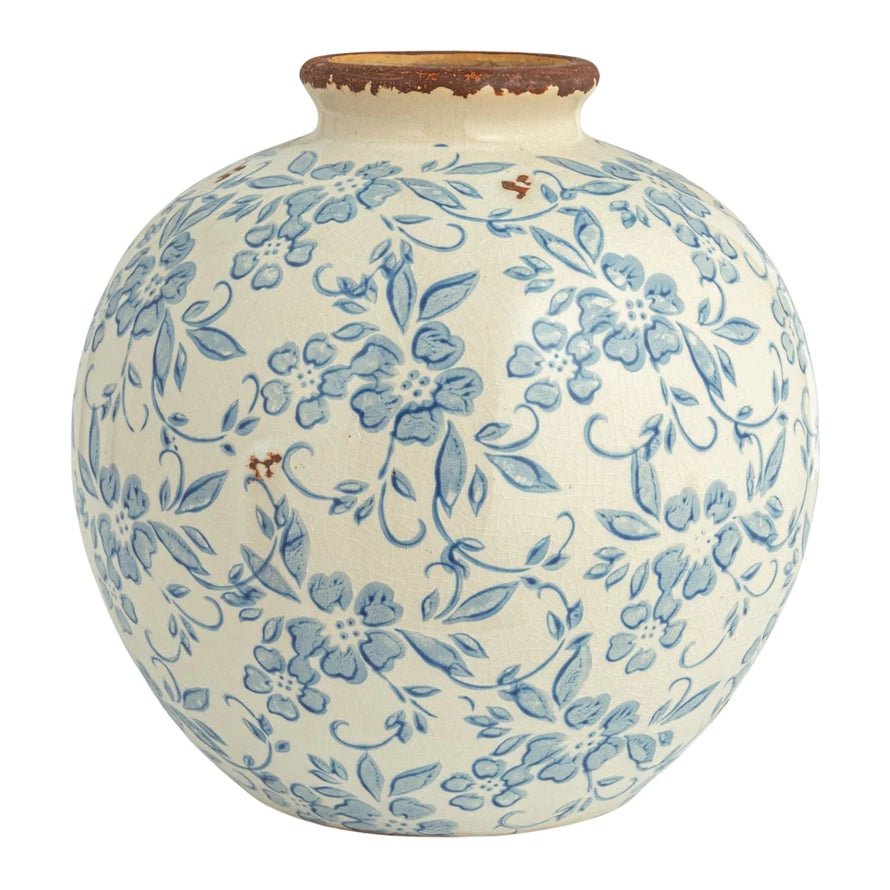
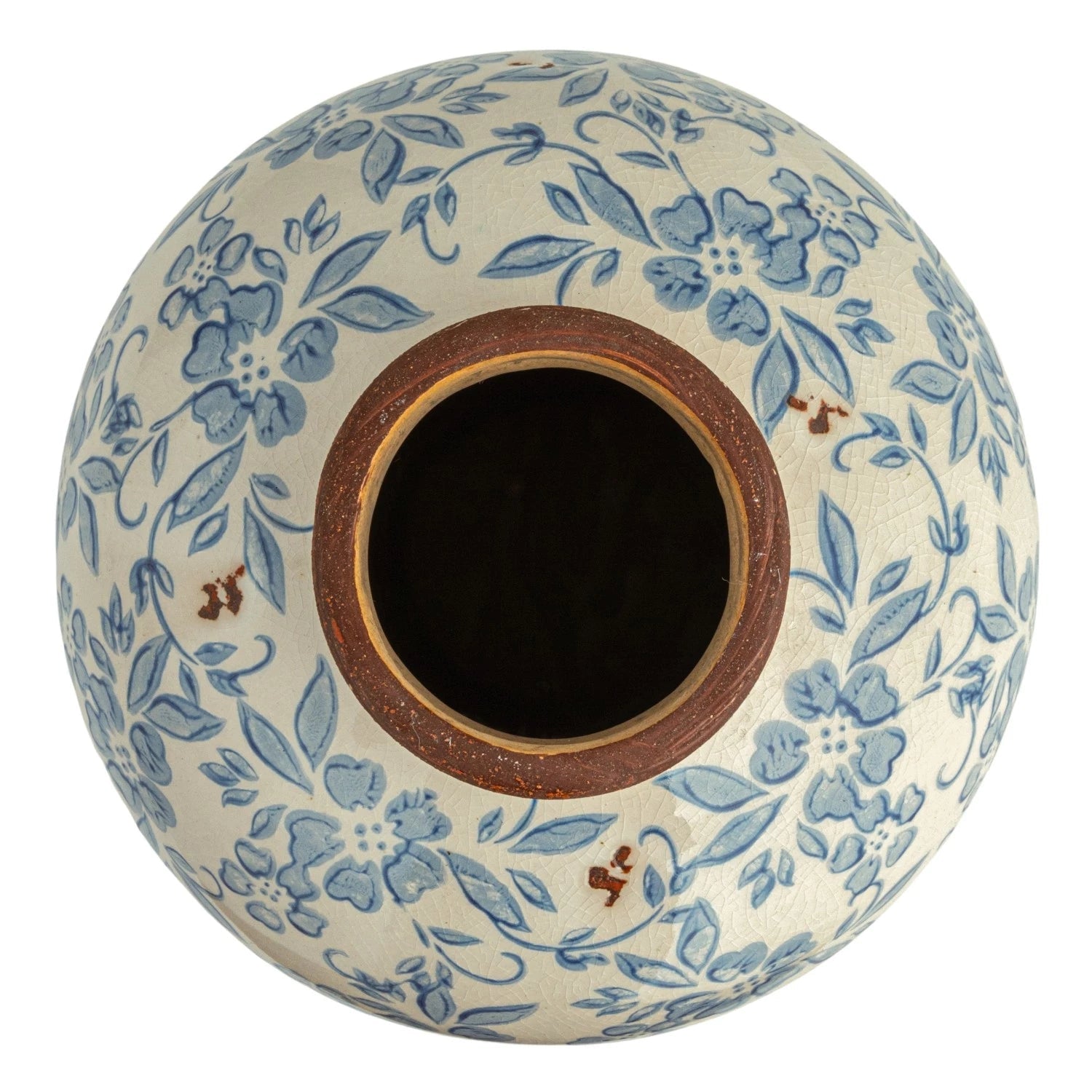
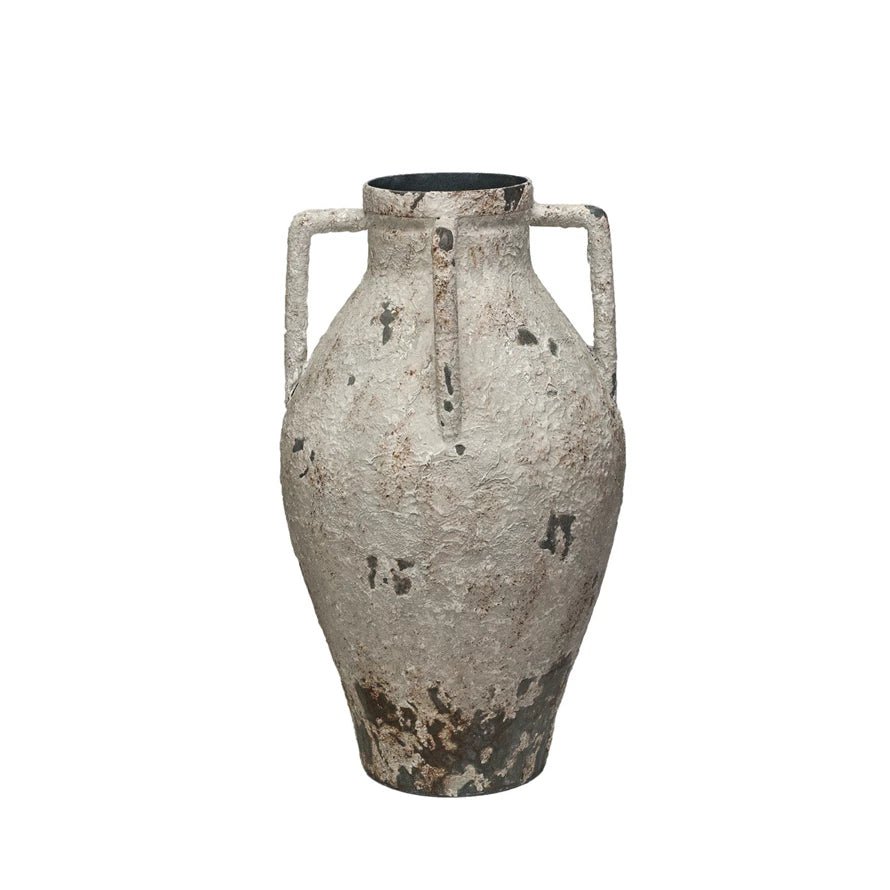
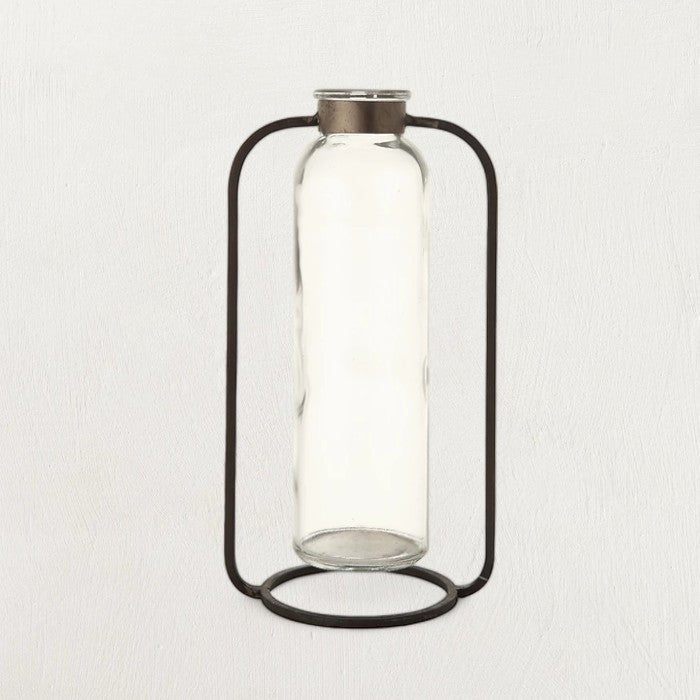
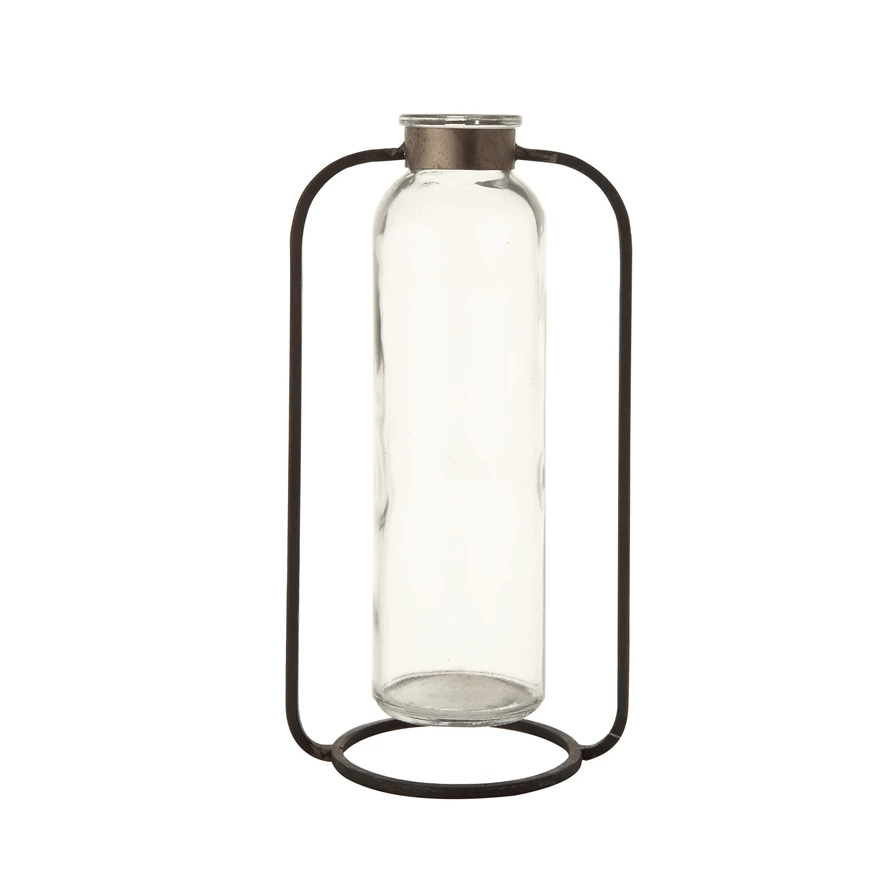
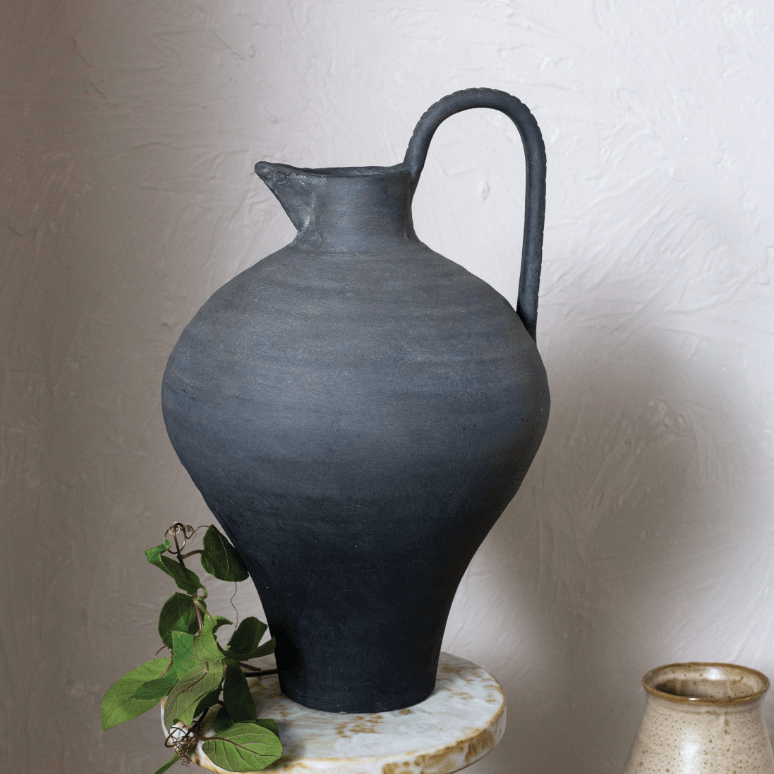
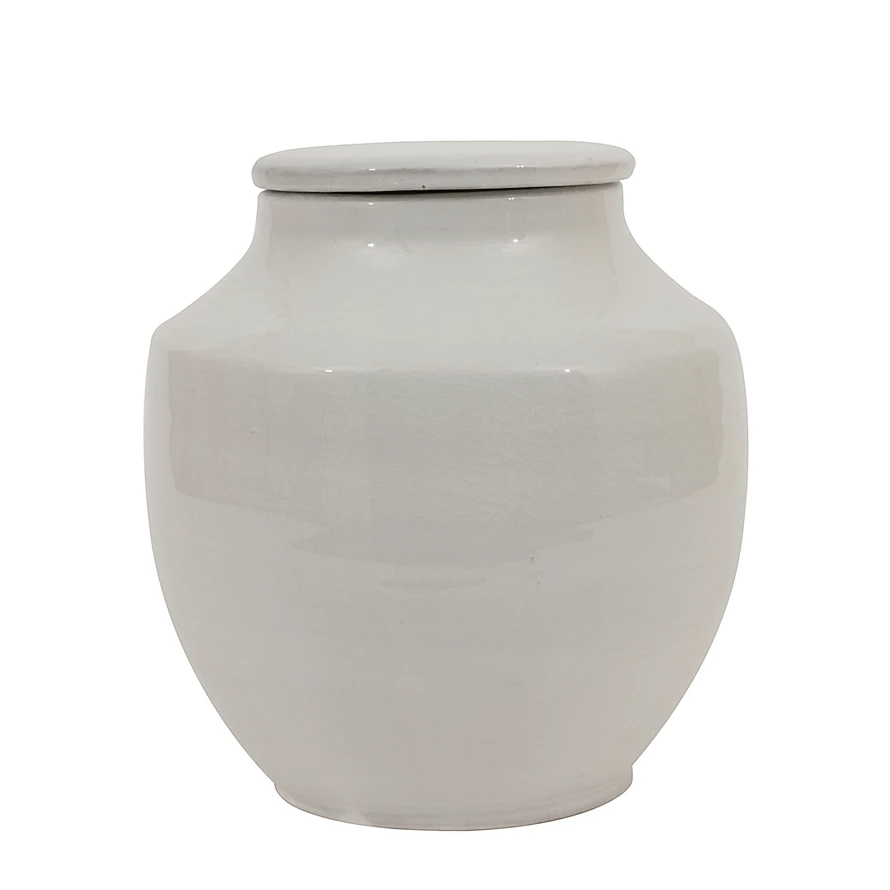
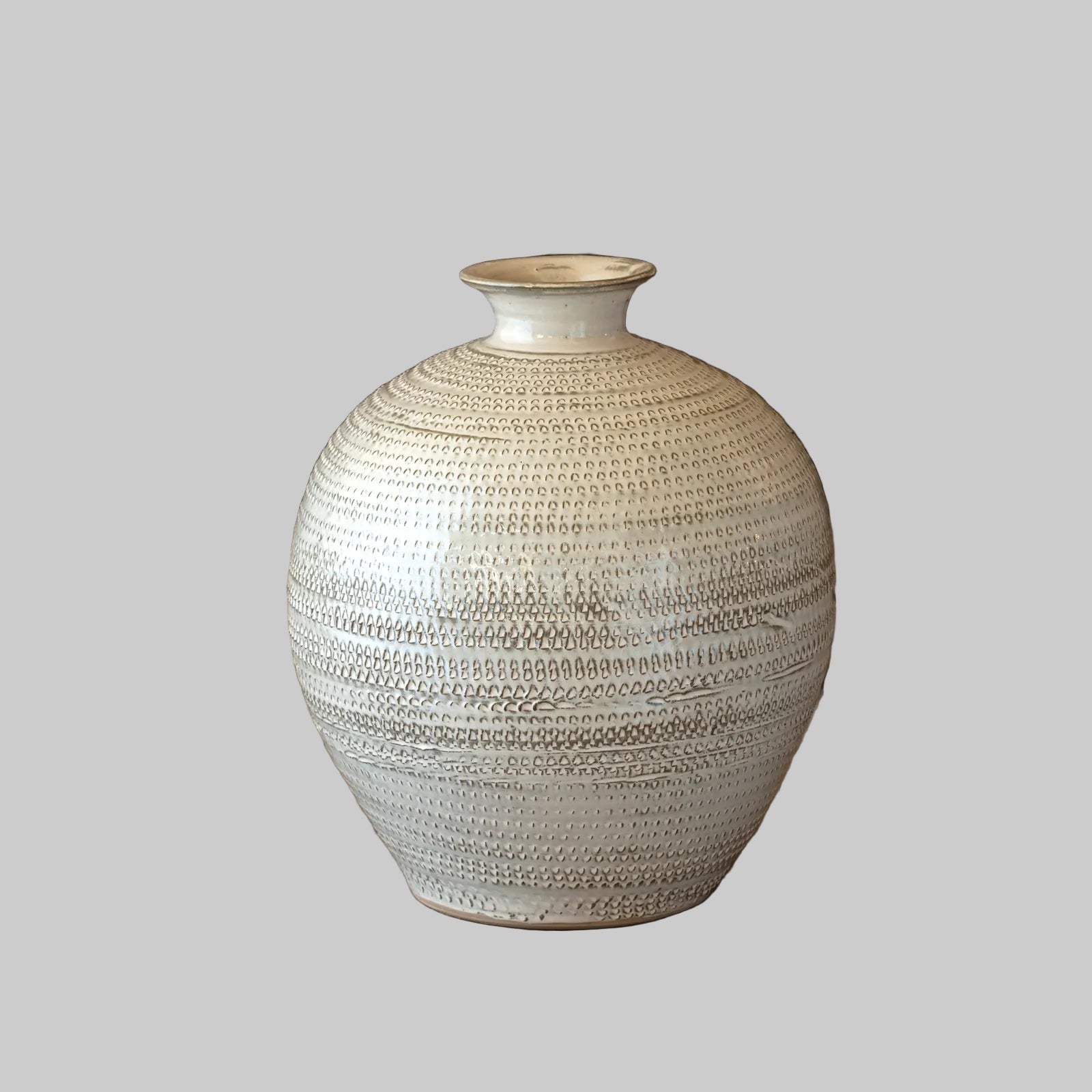
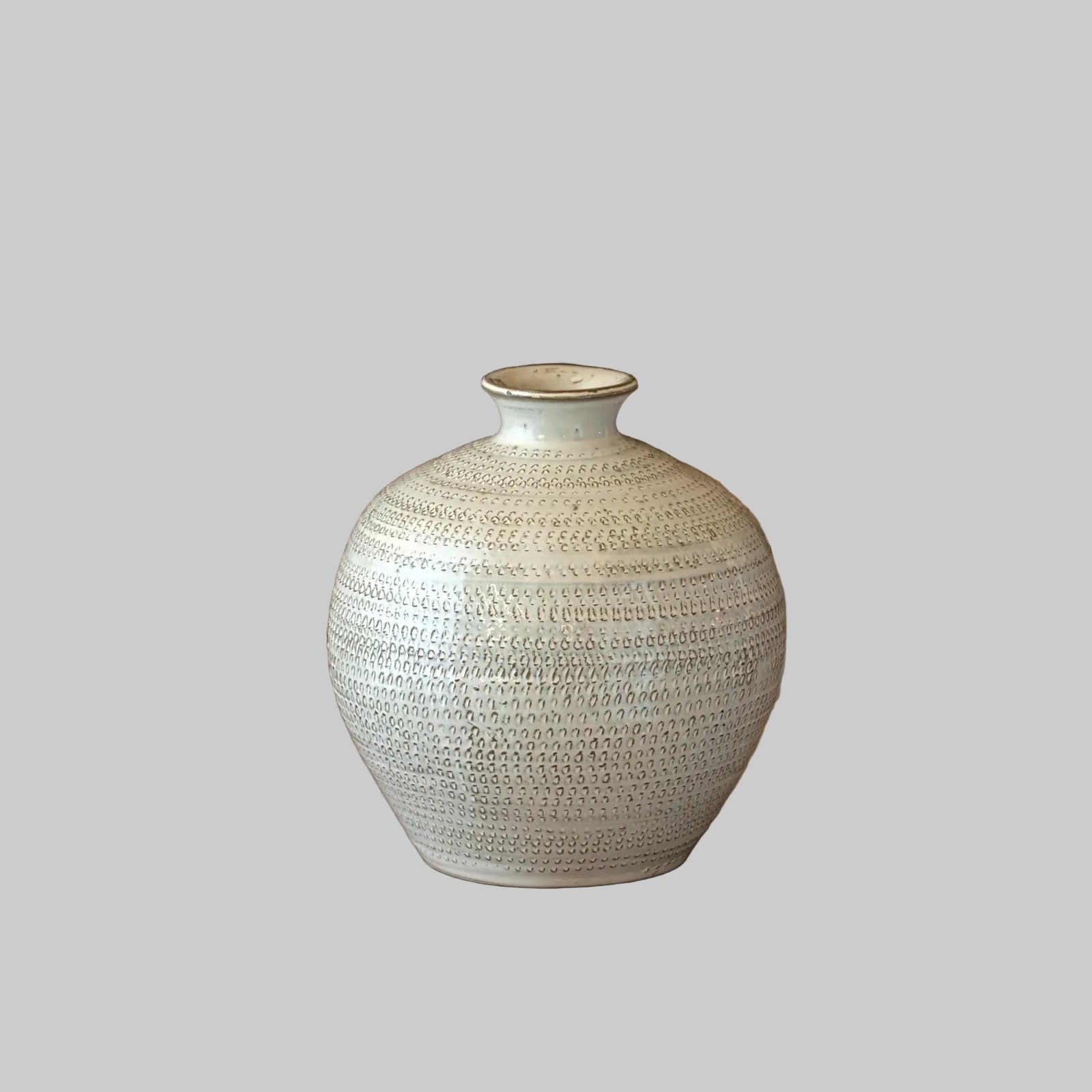
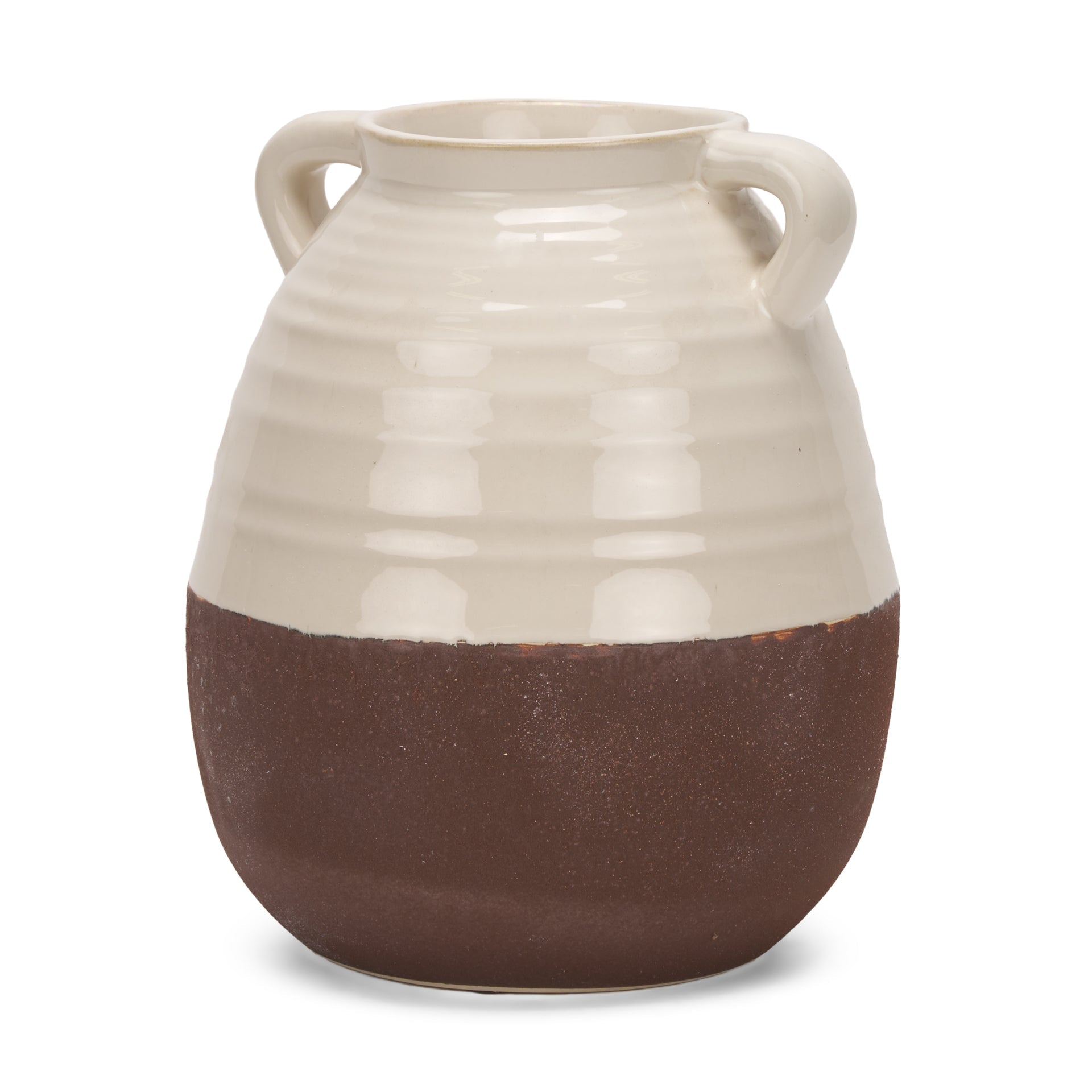
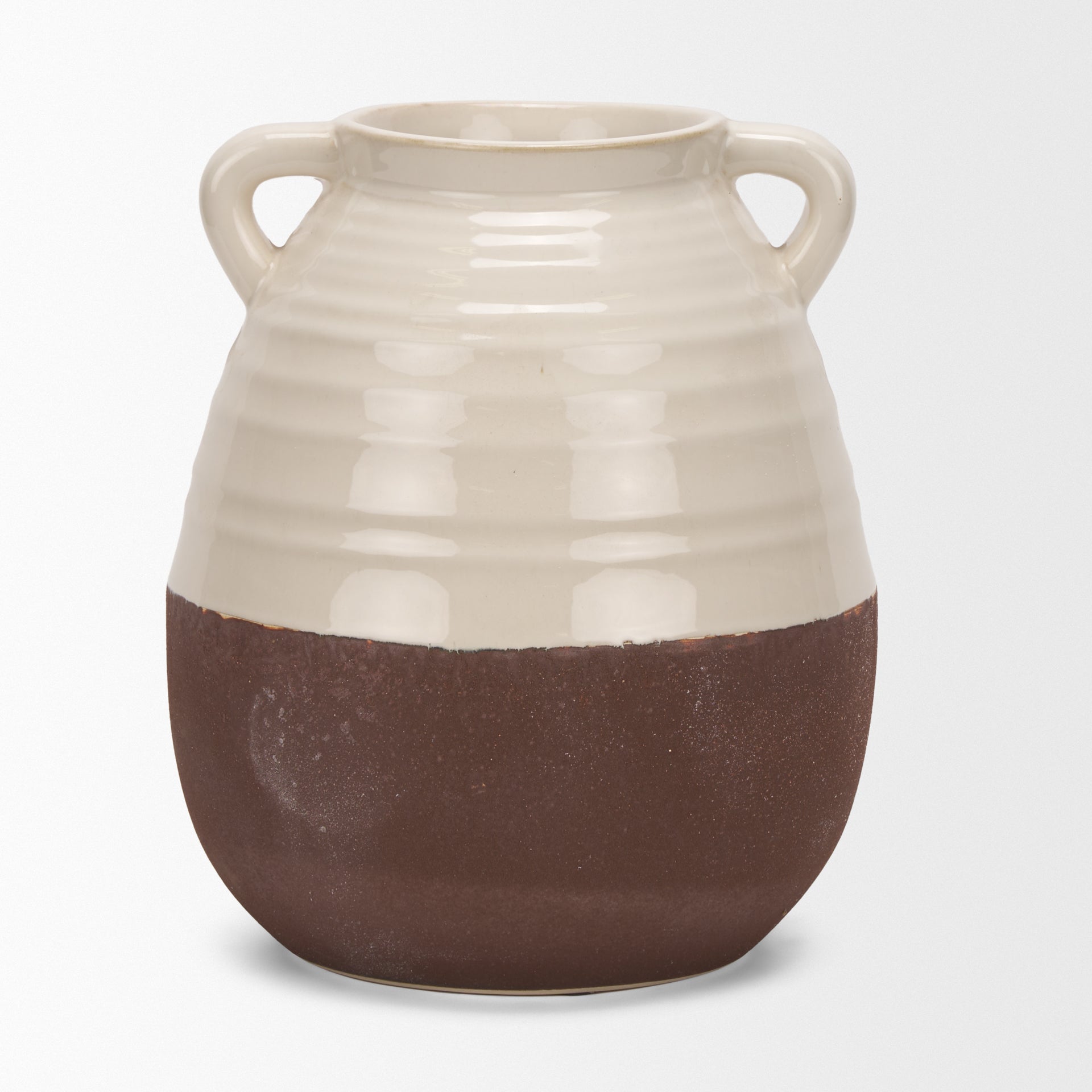
Ceramic vases offer versatile glazed finishes from glossy to matte with artisanal character, ideal for fresh and dried arrangements. Glass vases showcase stems as part of the design for modern and coastal interiors. Terracotta brings earthy, Mediterranean warmth with natural porosity. Stoneware combines durability with organic texture and reactive glazes that make each piece unique.
Styling With and Without Flowers
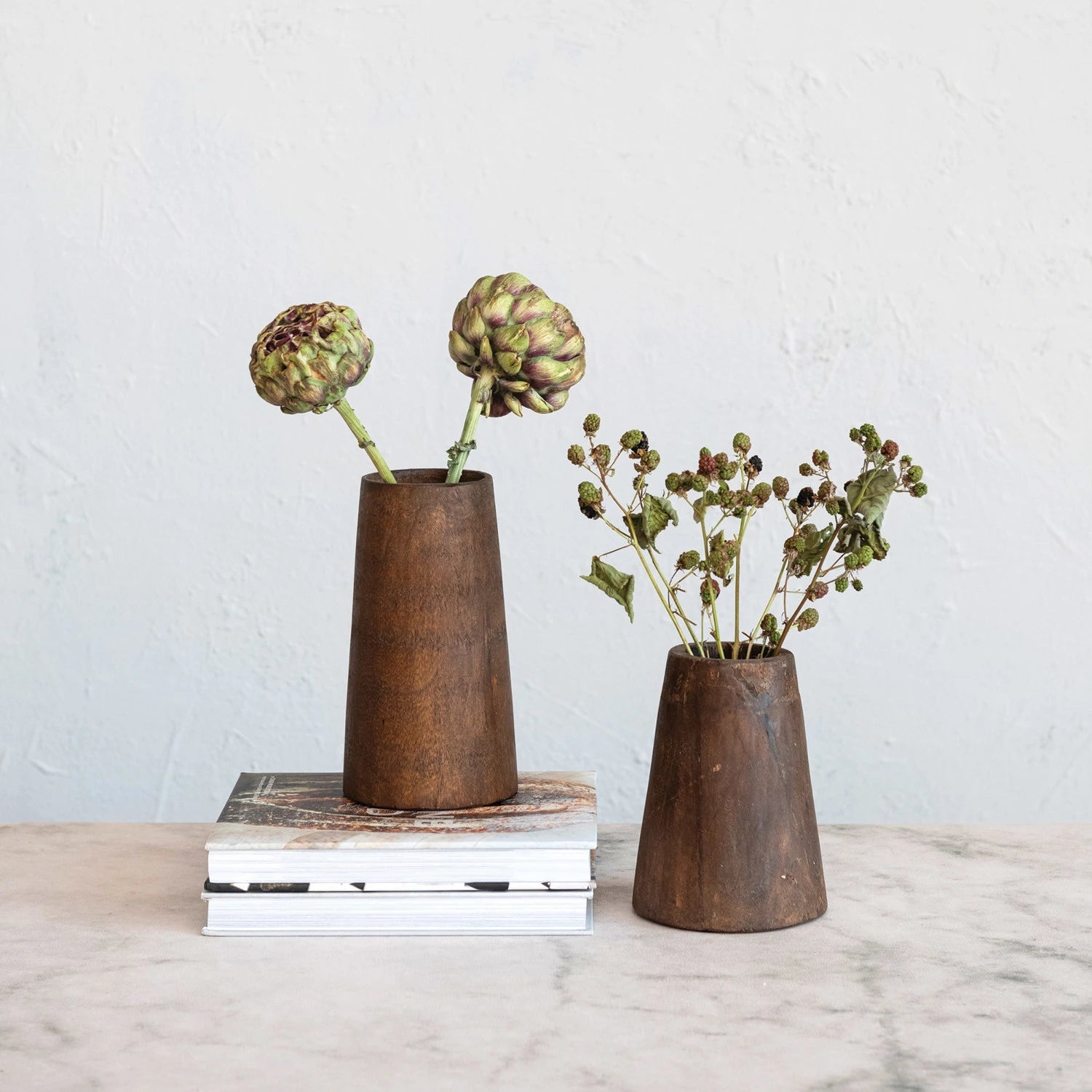
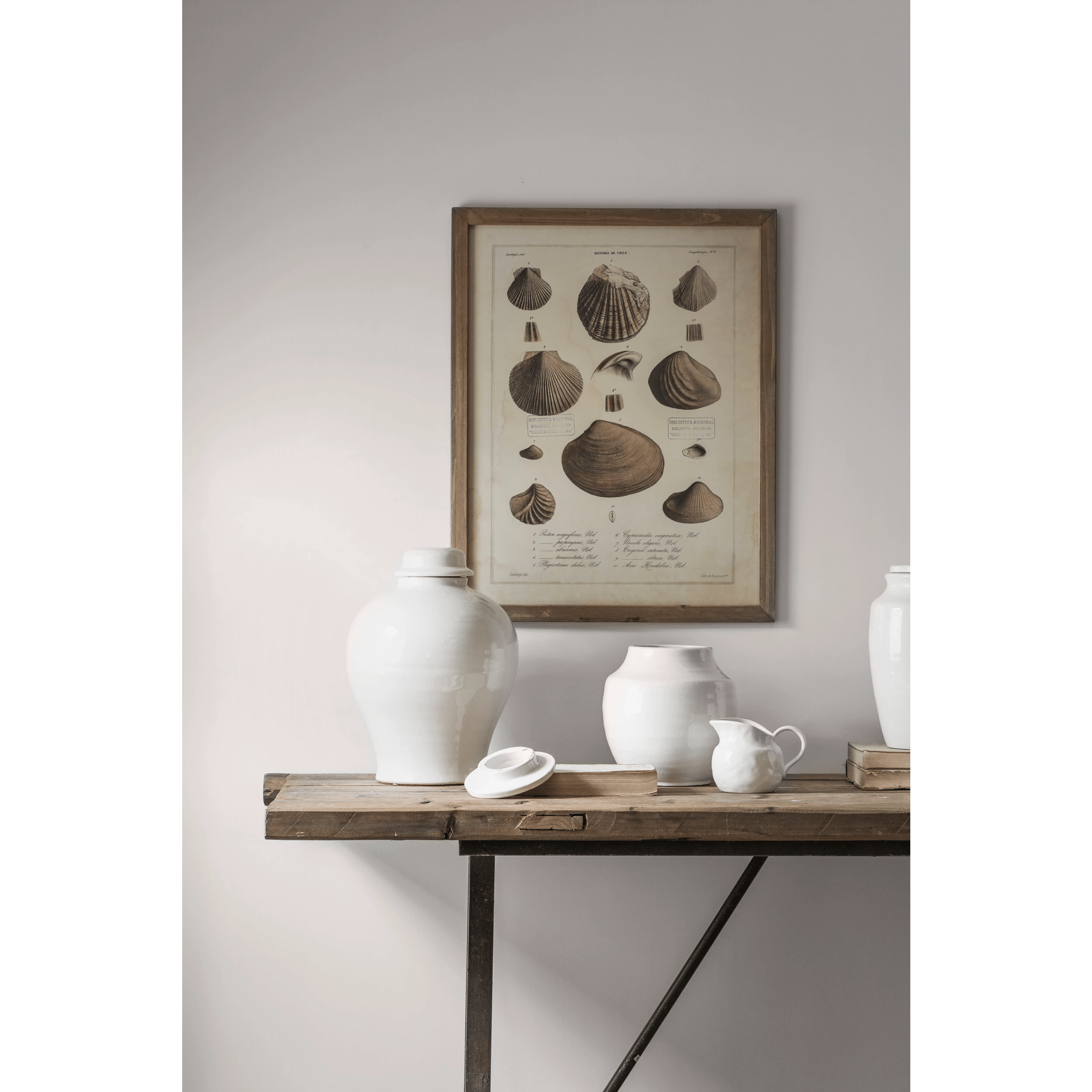
Empty vases function as sculptural objects — group three of varying heights (8, 12, and 16 inches) on a console table for visual rhythm. Match vase shape to flower type: tall cylinders for long-stemmed roses, low bowls for garden arrangements, narrow bud vases for single blooms. Dried arrangements like pampas grass and eucalyptus offer year-round beauty.
Creating Vase Groupings
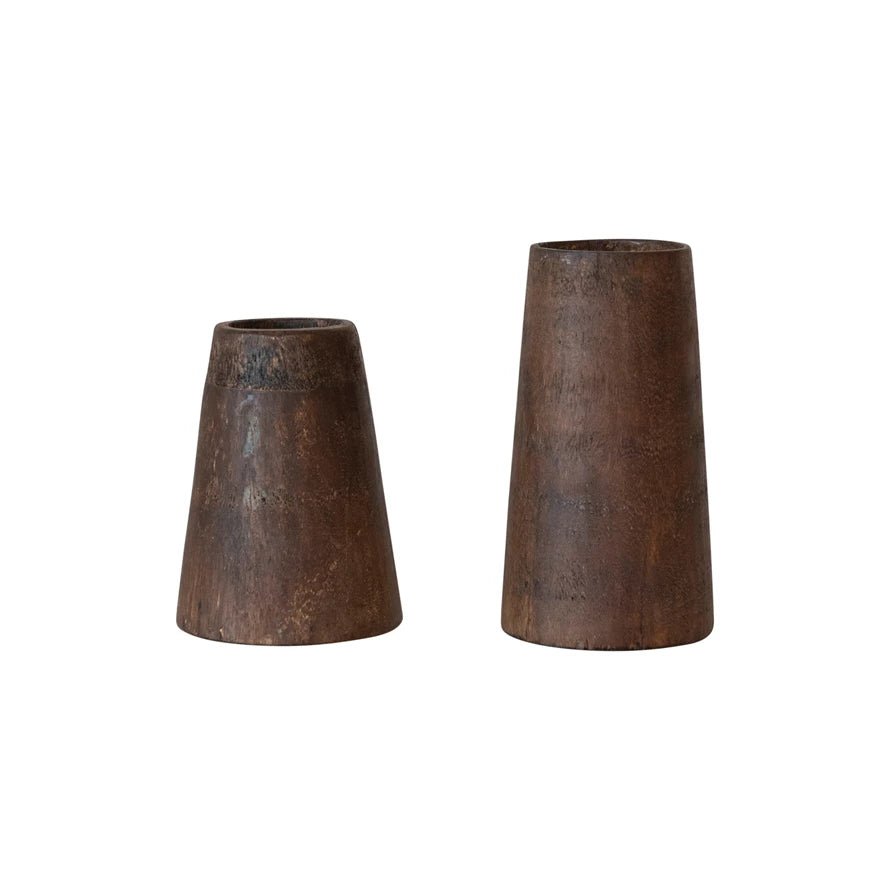
Arrange vases in odd-numbered groups with varied heights and complementary shapes. On dining tables, use a single statement vase or three matching bud vases. Console tables benefit from asymmetrical groupings. Maintain color cohesion — choose vases within the same color family even when mixing materials.
Frequently Asked Questions
What size vase should I use for different arrangements?
For single stems, use bud vases 6-8 inches tall. Medium bouquets (6-12 stems) work in 10-14 inch vases. Large bouquets need 14-20 inch vases. Vase height should be 40-60% of total arrangement height.
Can I display vases without flowers?
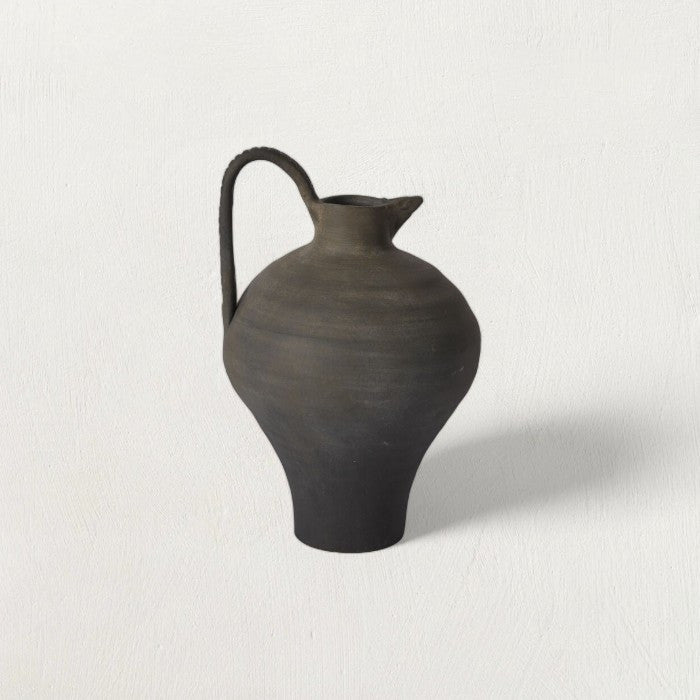
Absolutely — quality decorative vases are designed as standalone sculptural objects. Choose vases with interesting shapes or glazes, and group them by varying heights on mantels or shelves.
How do I prevent terracotta vases from leaking?
Unglazed terracotta is naturally porous. Seal the interior with waterproof sealant or use a glass liner inside. Alternatively, reserve terracotta for dried arrangements or display empty.

