








Indoor vs. Outdoor Materials
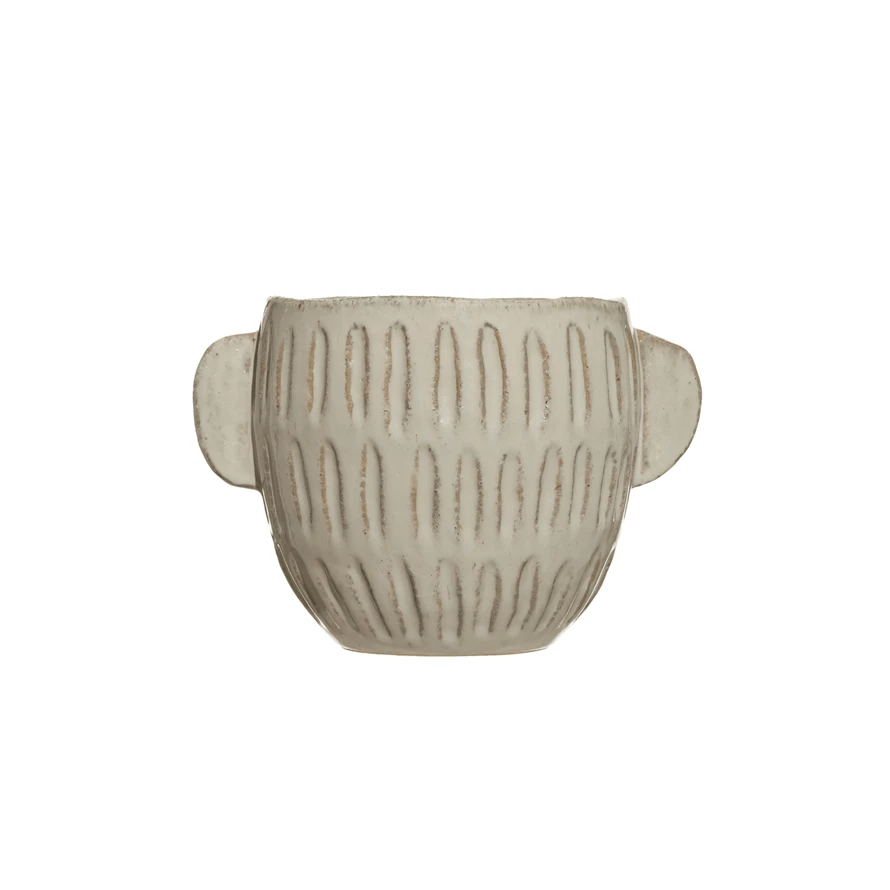
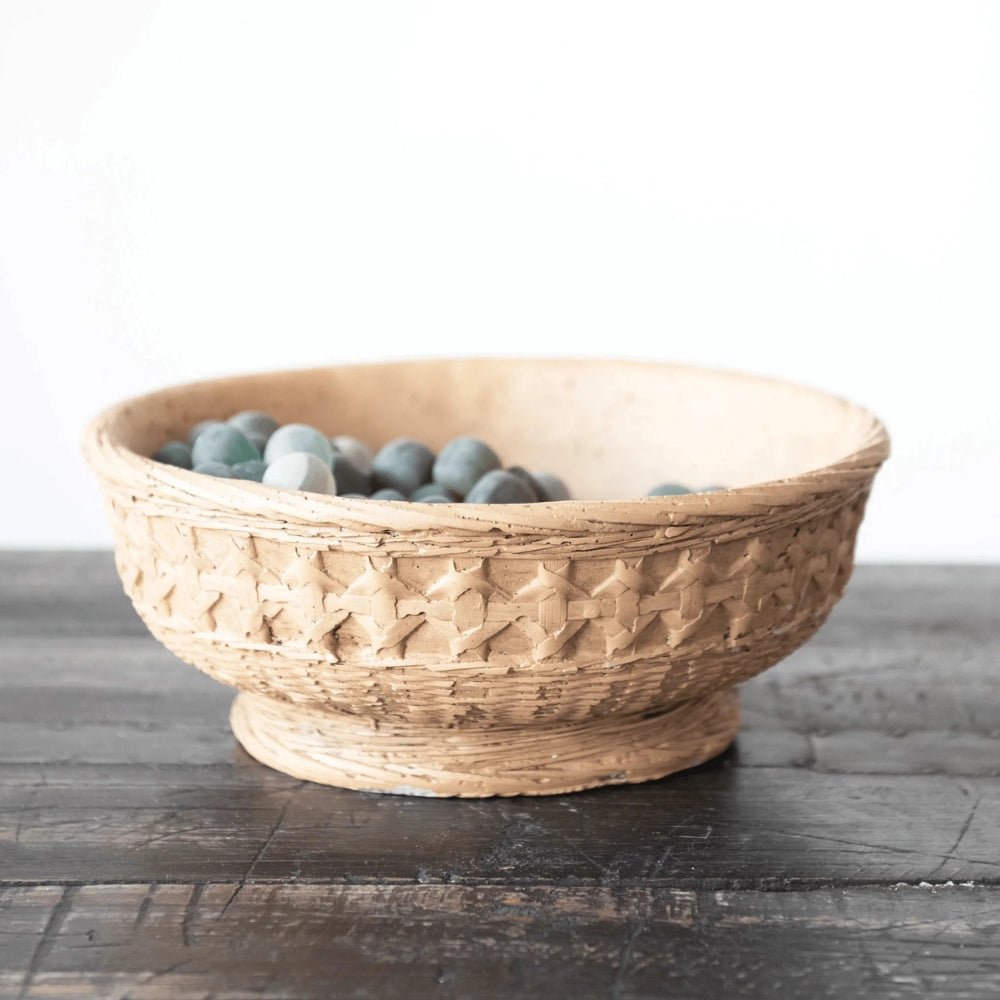
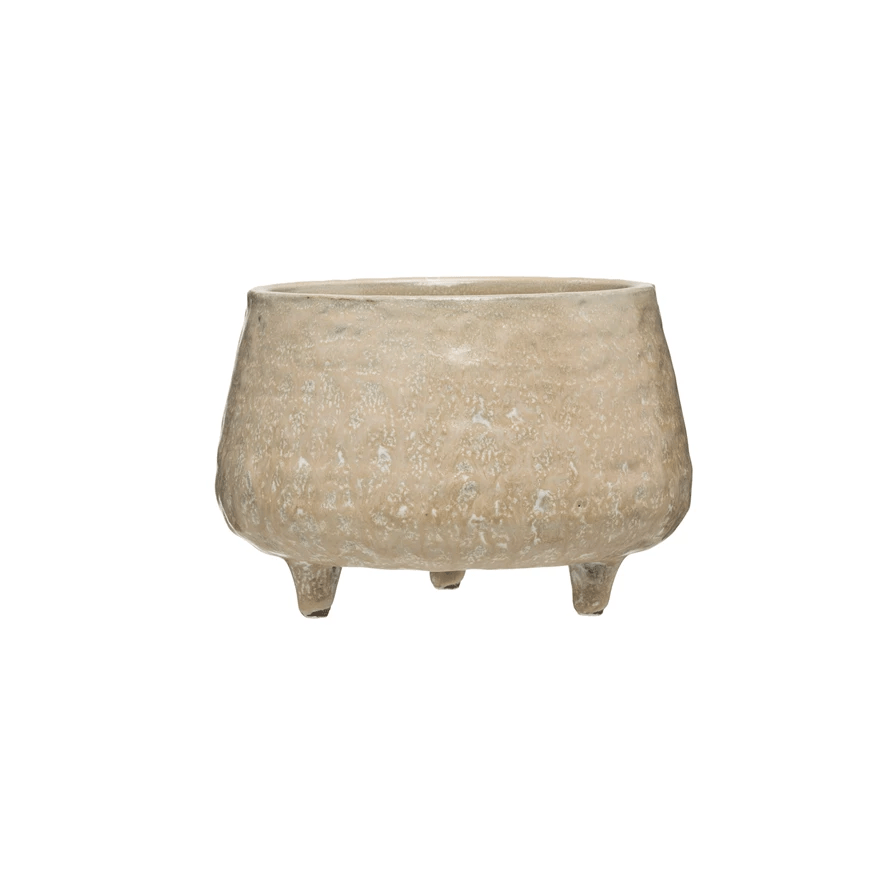
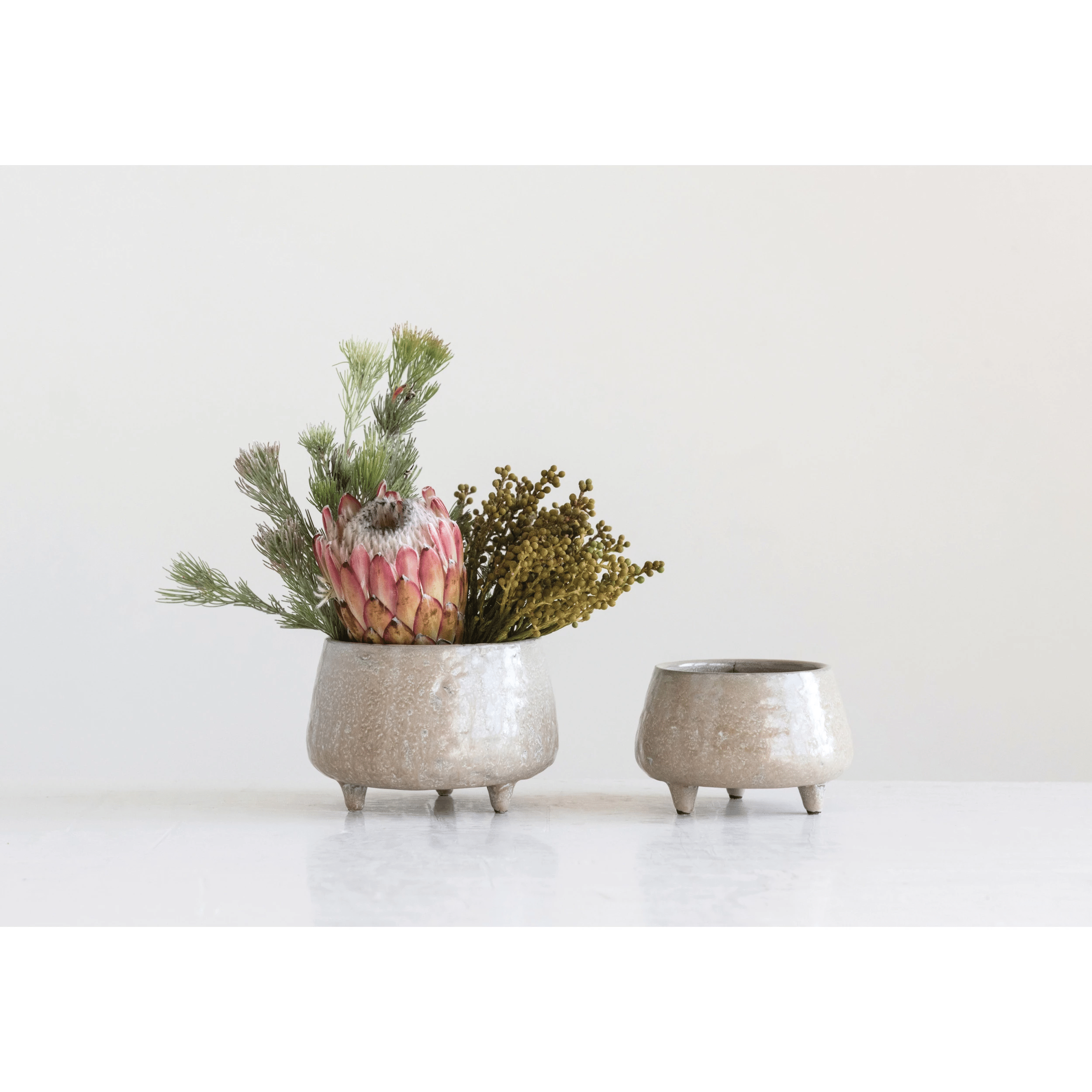
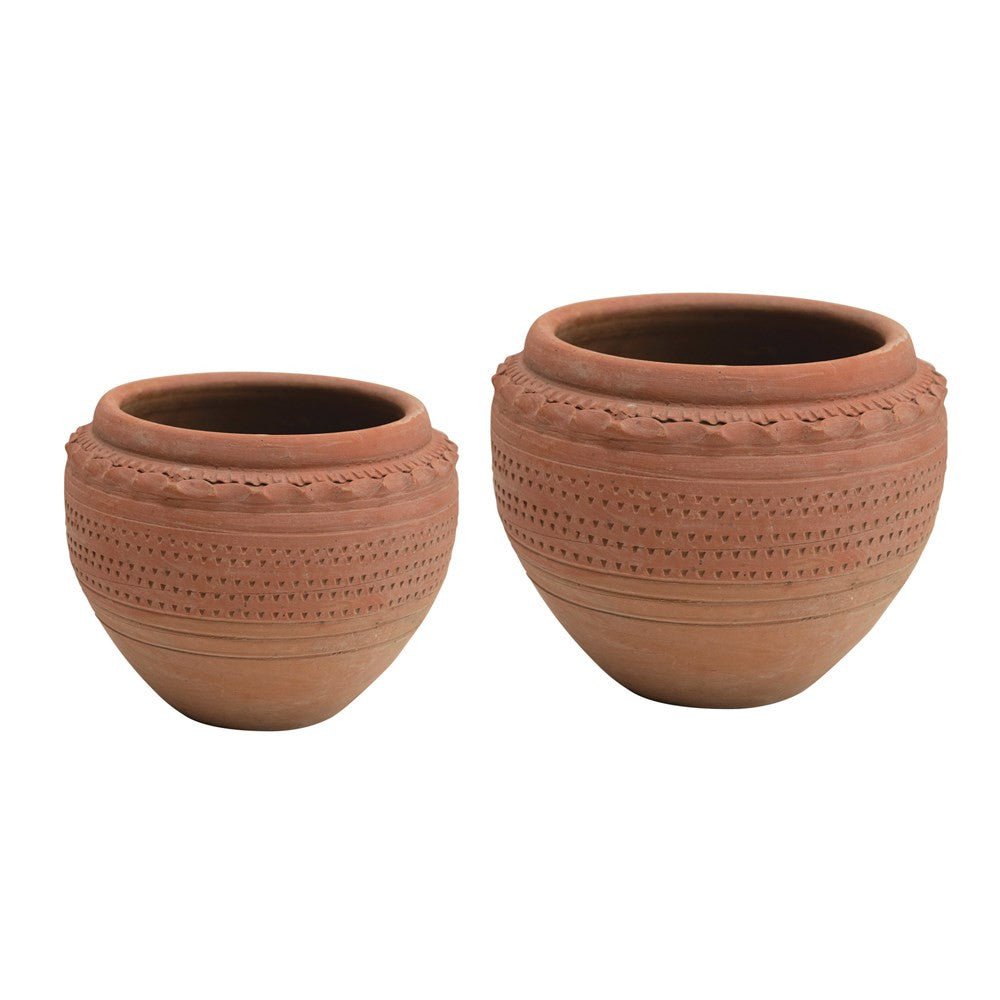
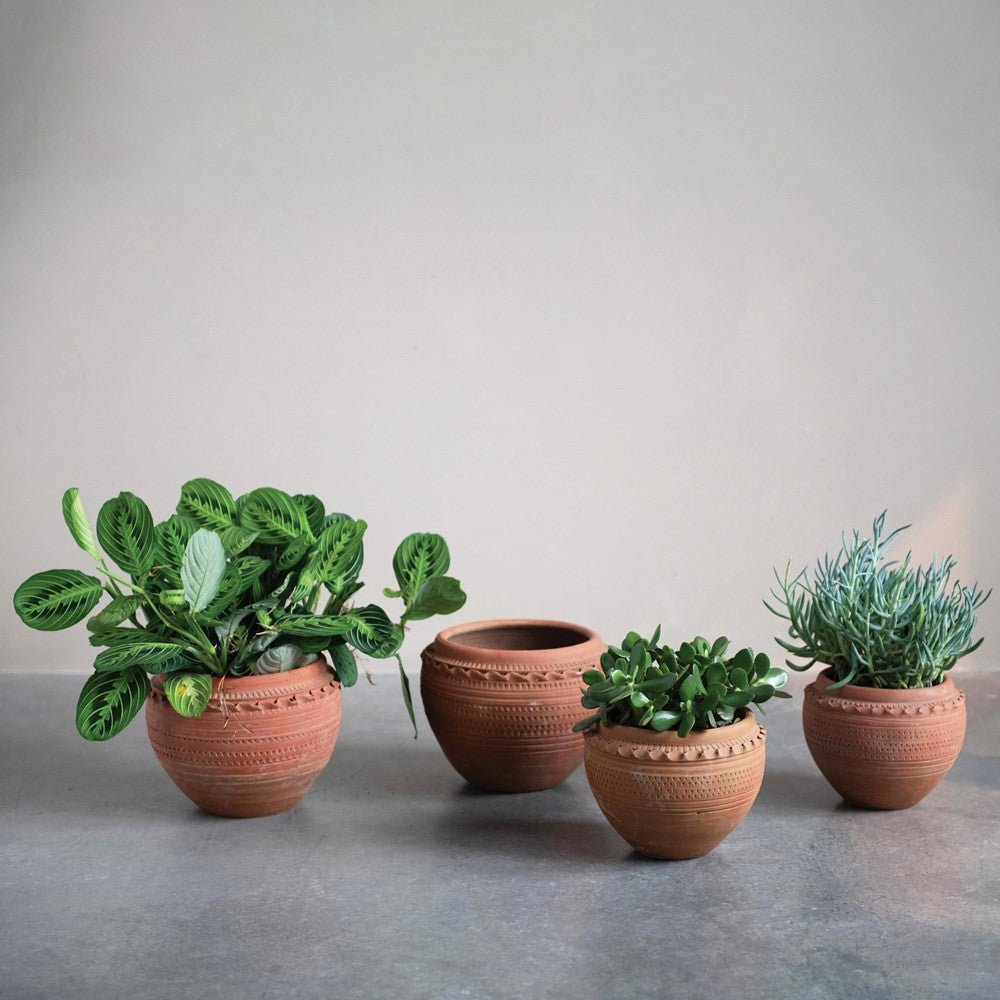
Indoor planters in glazed ceramic or terracotta offer breathability and moisture control. Unglazed terracotta is ideal for succulents and herbs that prefer dry soil. Outdoor planters need weather-resistant materials: concrete and fiberglass withstand freeze-thaw cycles, while powder-coated metal resists rust.
Drainage and Plant Health
Drainage holes prevent root rot and fungal issues — essential for most plants. If you love a planter without drainage, use it as a cache pot with a smaller nursery pot inside. Add a layer of gravel at the bottom to improve drainage and prevent soil from clogging holes.
Sizing for Your Plants
Choose a planter 1-2 inches larger in diameter than the current pot. Oversized planters retain too much moisture, increasing root rot risk. For large plants like fiddle-leaf figs, select 14-18 inch diameter planters with 12+ inch depth. Shallow planters (6-8 inches) suit succulents and herbs.
Frequently Asked Questions
Do I need a saucer for my indoor planter?
Yes, if your planter has drainage holes. Saucers protect floors from moisture damage. Empty them within an hour of watering to prevent roots from sitting in standing water.
Can terracotta planters stay outside in winter?
Unglazed terracotta absorbs water that can freeze and crack in cold climates. Bring them indoors before the first frost, or choose concrete or fiberglass for year-round outdoor use.
How do I clean mineral deposits from terracotta?
Scrub with a stiff brush and equal parts white vinegar and water. For stubborn buildup, soak overnight. Allow the planter to dry completely before replanting.

