







Choosing the Right Mirror Size
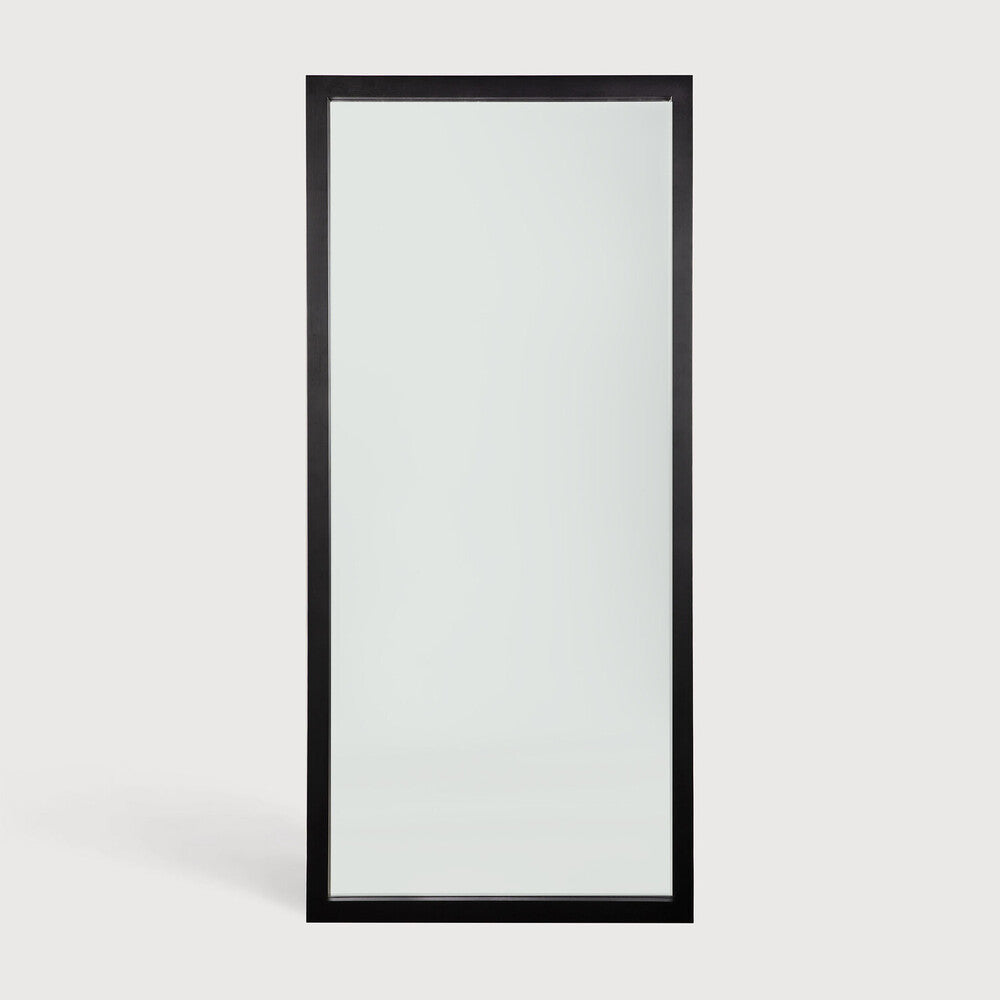
For living rooms, choose a mirror two-thirds to three-quarters the width of your sofa or console table. In dining rooms, mirrors should be 50-75% of your buffet width. Entryways benefit from vertical mirrors 30-40 inches wide. Oversized floor-to-ceiling mirrors (72+ inches) make small spaces feel dramatically larger by doubling perceived square footage.
Strategic Placement to Maximize Light
Position mirrors opposite or adjacent to windows to reflect natural light and brighten dark corners. In narrow hallways, hang mirrors on the long wall to visually widen the space. Above a fireplace, leave 4-6 inches between mantel and mirror. In bathrooms, install mirrors 5-10 inches above vanity countertops at eye level (60-65 inches from the floor).
Styles and Frame Materials
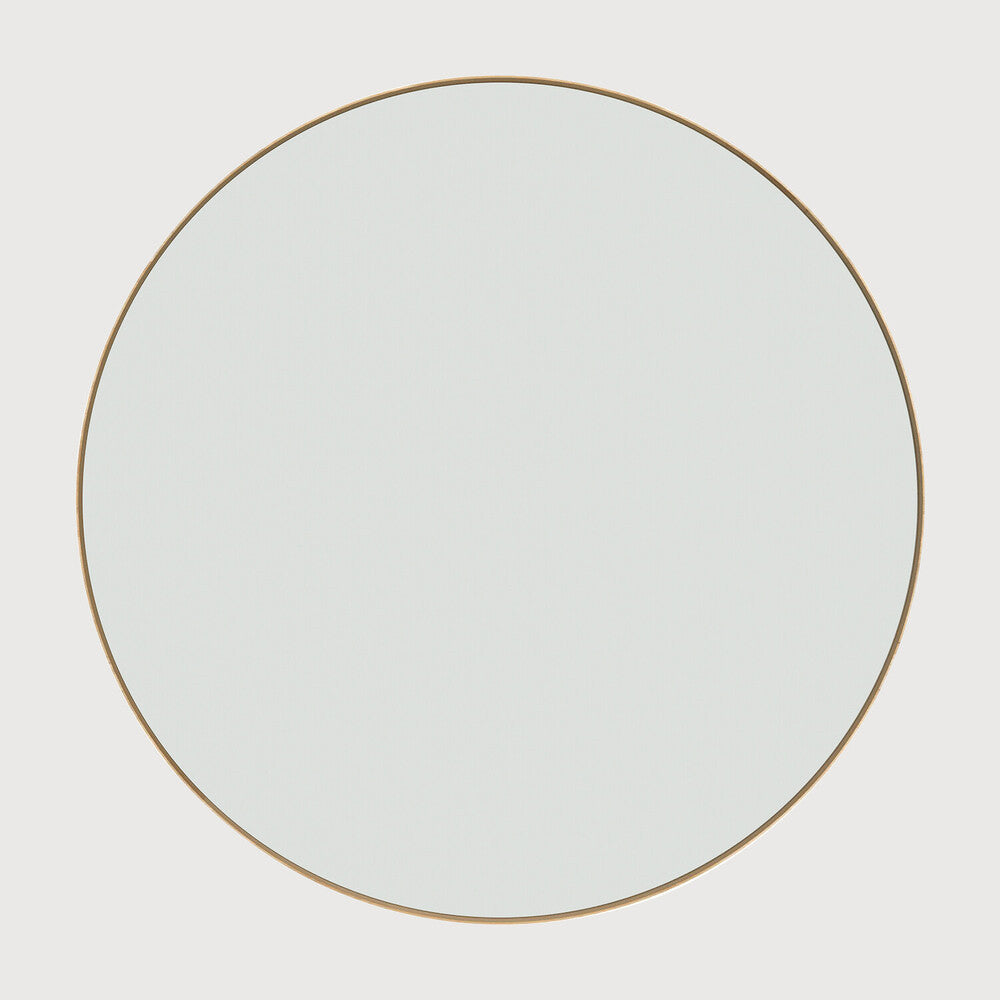
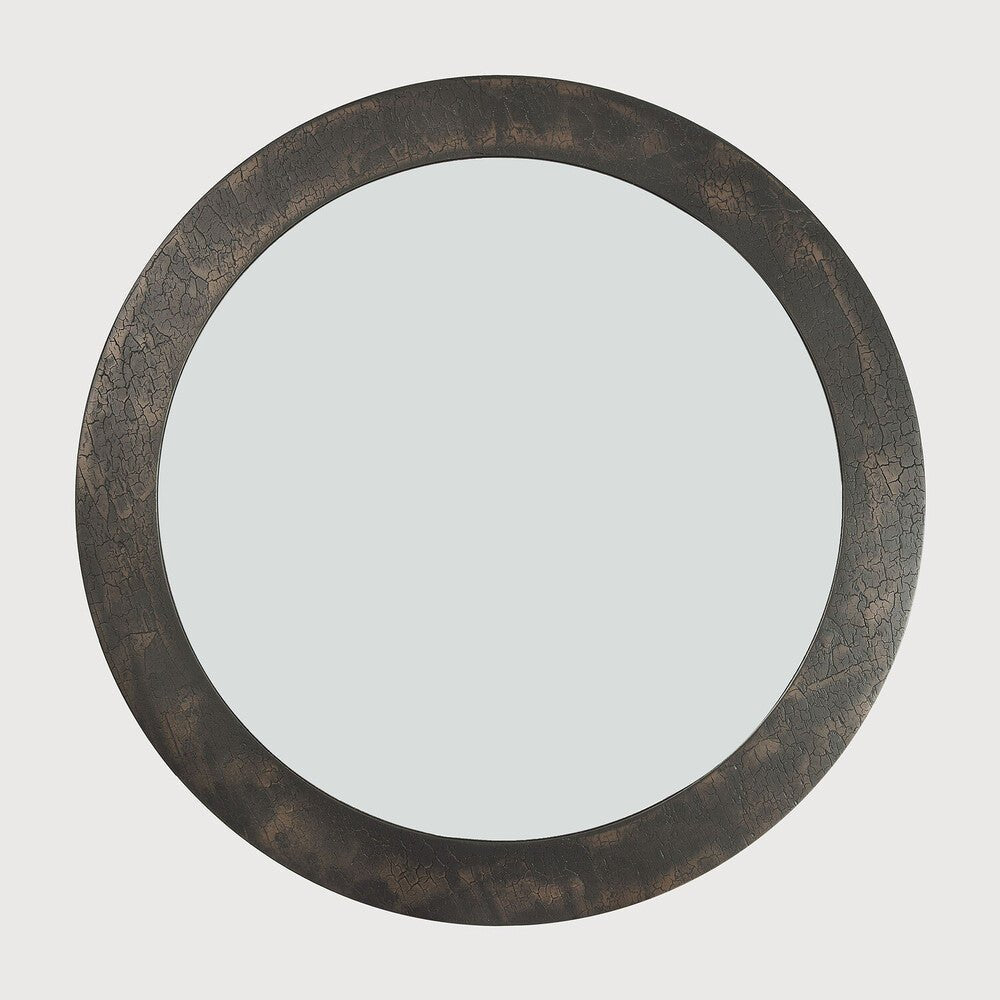
Round mirrors soften angular rooms and suit eclectic spaces. Rectangular and arched mirrors complement traditional interiors. Wooden frames add warmth to farmhouse and rustic spaces; metal frames bring contemporary edge; ornate gilded frames enhance traditional interiors. Frameless mirrors with beveled edges offer timeless versatility.
Frequently Asked Questions
How high should I hang a wall mirror?
Hang mirrors so the center sits at eye level, typically 57-65 inches from the floor. Above furniture, leave 4-8 inches between the furniture top and mirror bottom.
Can mirrors really make a small room look bigger?
Yes — mirrors reflect light and views, creating the illusion of depth. Place mirrors opposite windows or light sources. Large mirrors (48+ inches) have the most dramatic impact.
What's the difference between decorative and functional mirrors?
Functional mirrors prioritize clear reflection for grooming. Decorative mirrors emphasize frame design and artistic value — the reflection may be secondary. Many mirrors beautifully blend both purposes.

