

Choosing the Right Desk Size
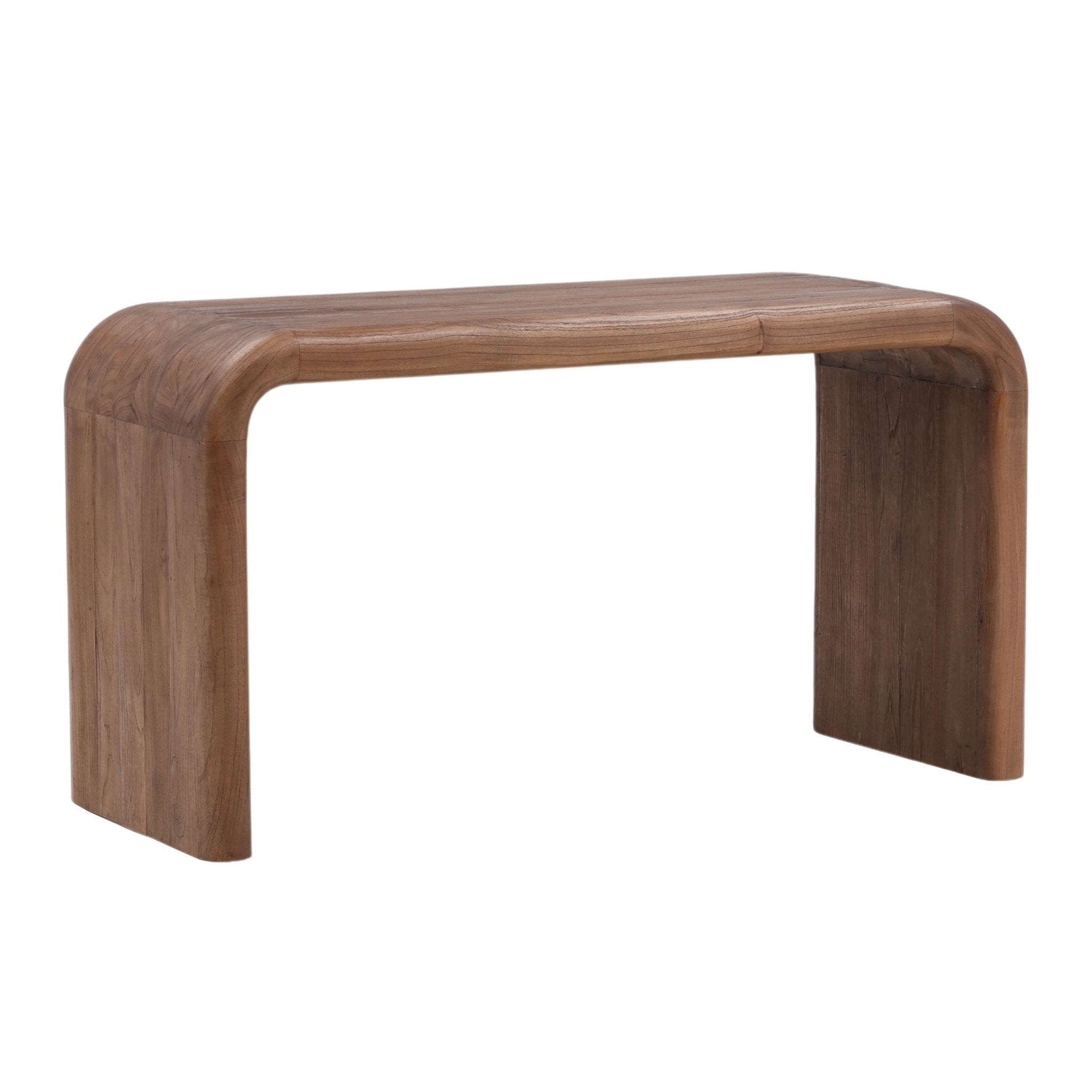
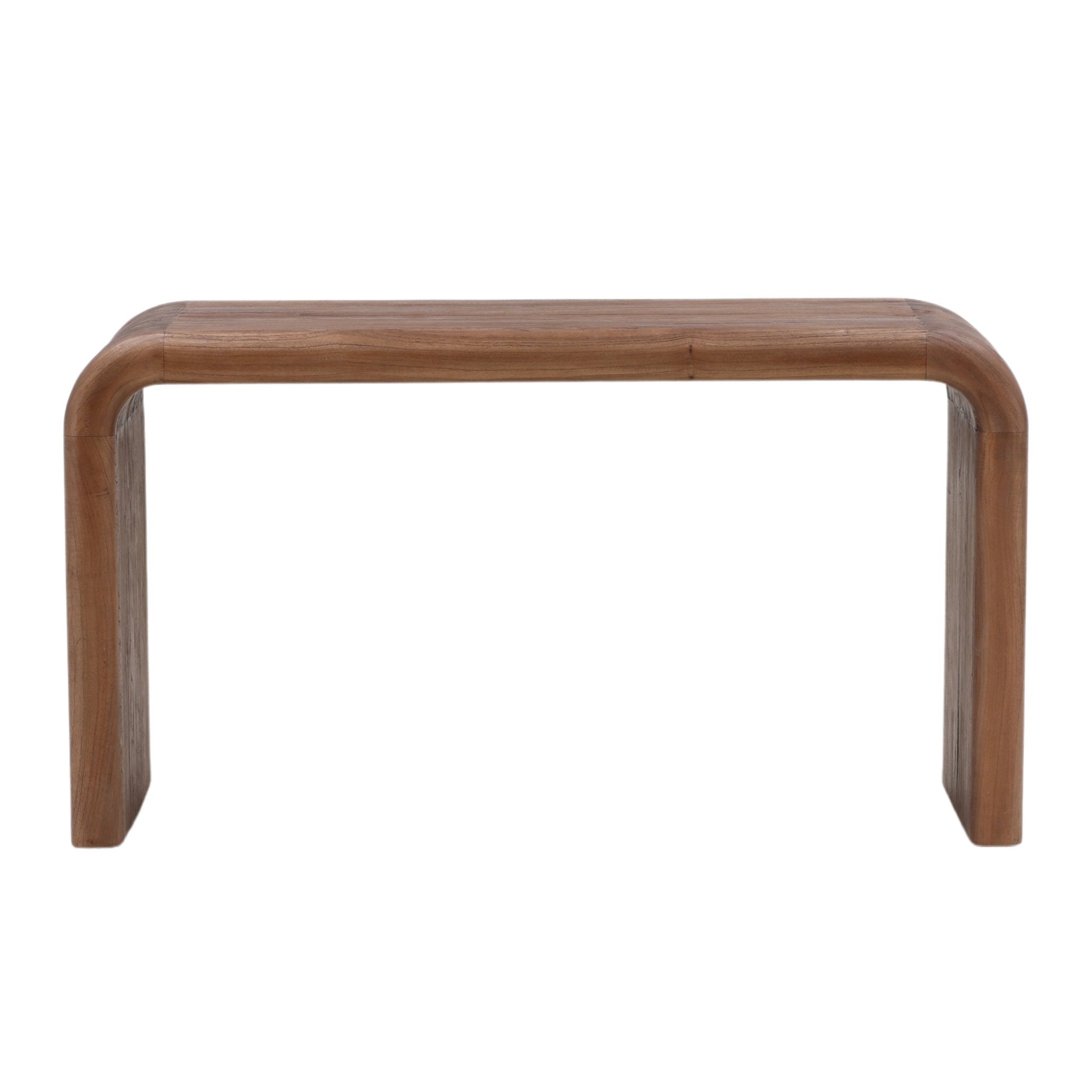
Desk size directly impacts productivity and comfort. A minimum of 48 inches wide by 24 inches deep provides enough space for a laptop, external monitor, and writing area. For dual monitors or creative work, consider 60-72 inch wide desks. Depth matters too — 24-inch deep desks work for laptops only, while 30-inch deep desks accommodate monitors at a comfortable viewing distance. Measure your room and leave at least 36 inches of clearance behind your chair.
Solid Wood vs. Engineered Wood
Solid wood desks (oak, walnut, teak) are built from single pieces of hardwood, offering superior durability, the ability to refinish, and 20+ year lifespans. Engineered wood uses composites with veneer surfaces — lighter and more affordable, but cannot be refinished and may sag under heavy loads over time. For daily-use home offices, solid wood is a worthwhile investment.
Ergonomic Considerations
Standard desk height is 28-30 inches, which works for most people. When seated, your elbows should form a 90-degree angle when typing, with wrists straight. Pair your desk with a chair that has adjustable seat height, lumbar support, and adjustable armrests. Seat depth matters — you should have 2-3 inches between the seat edge and back of your knees.
Frequently Asked Questions
What desk height is best for typing and computer work?
Standard desk height is 28-30 inches, which works for most people 5'4" to 6'0" tall. When seated, your elbows should form a 90-degree angle when typing, with wrists straight. If you're taller or shorter, consider an adjustable height desk or keyboard tray to achieve proper ergonomics.
How do I choose between a writing desk and an executive desk?
Writing desks are minimalist designs ideal for laptops, light paperwork, and small spaces. Executive desks feature built-in storage like drawers and filing cabinets, larger work surfaces (60-72 inches wide), and substantial construction for daily business use. Choose based on your storage needs and available space.
Do I need a bookcase in my home office?
Bookcases serve dual purposes — practical storage for books and supplies, plus a professional backdrop for video calls. Open bookcases create visual interest, while closed storage hides clutter. For video call backgrounds, style your shelves with books, plants, and curated objects at camera height.