





Tall Chests vs. Wide Dressers
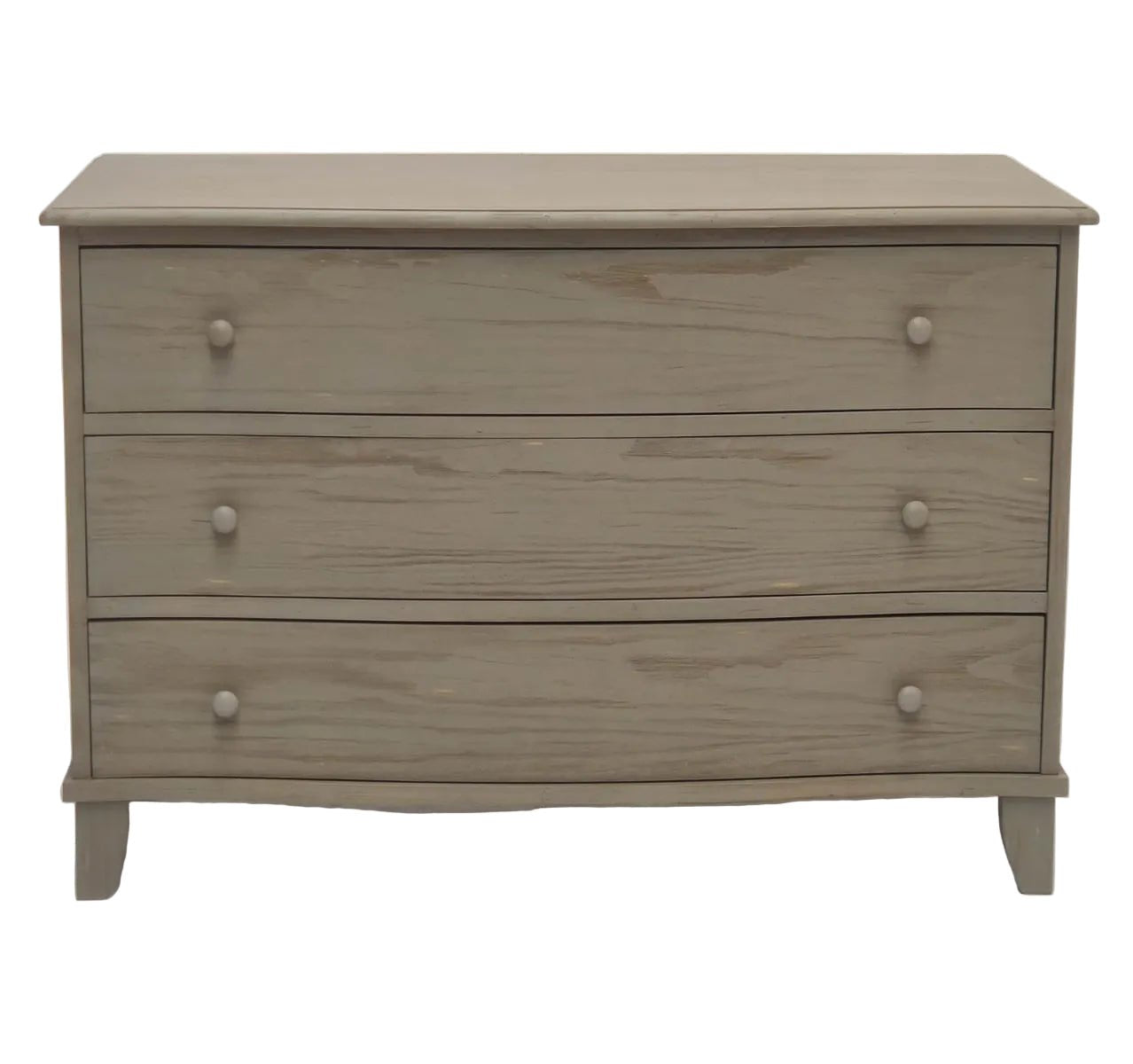
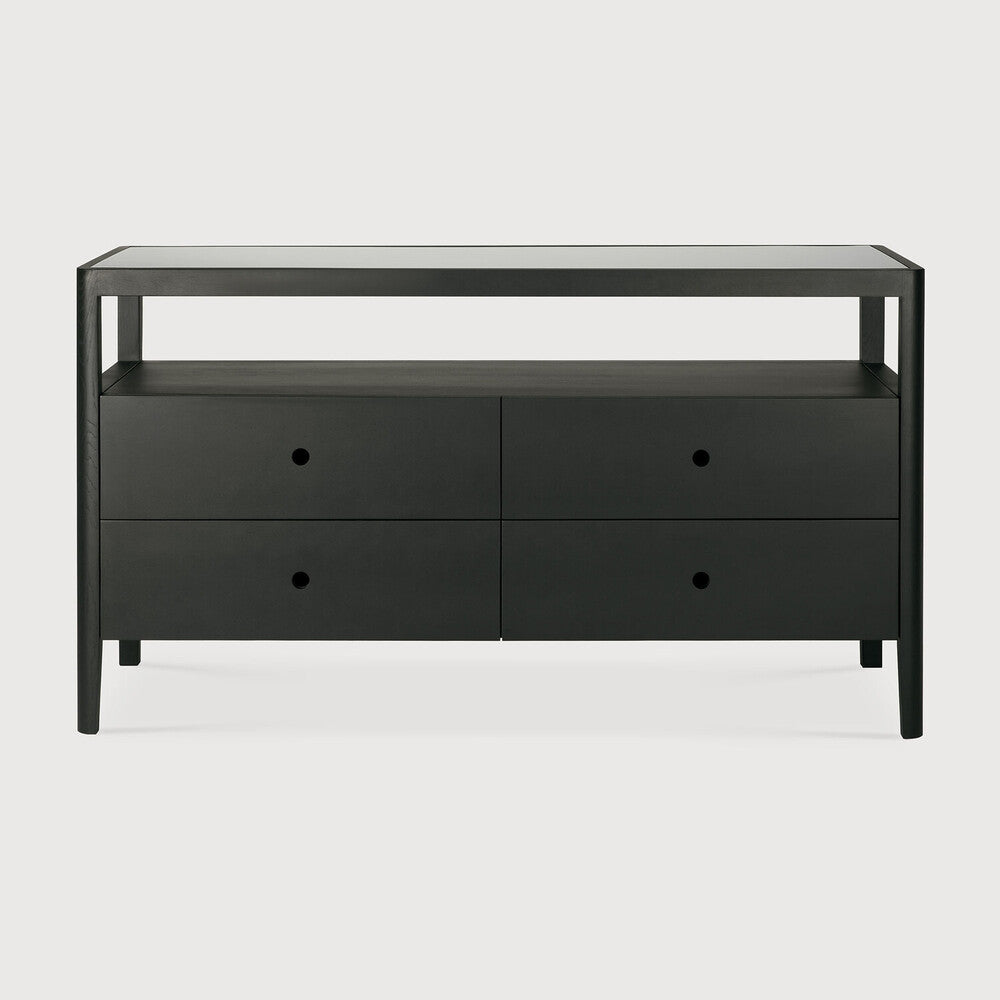
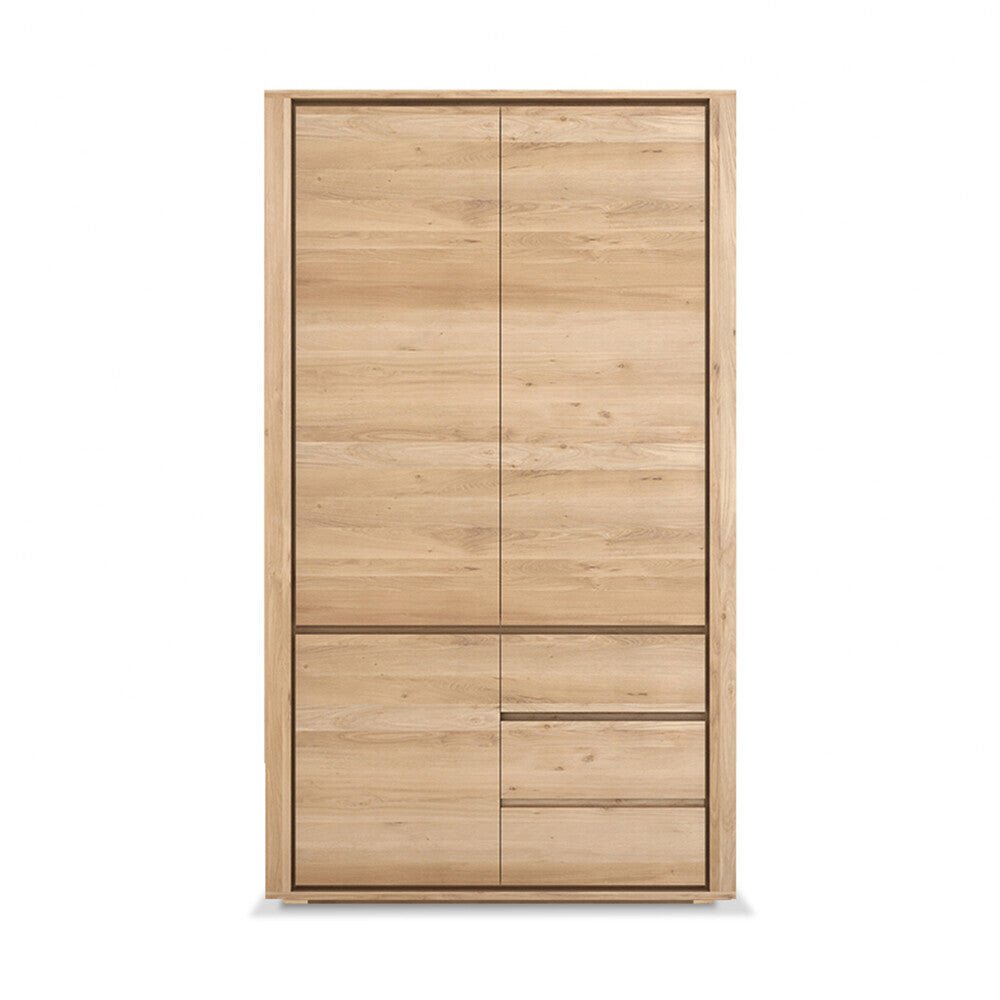
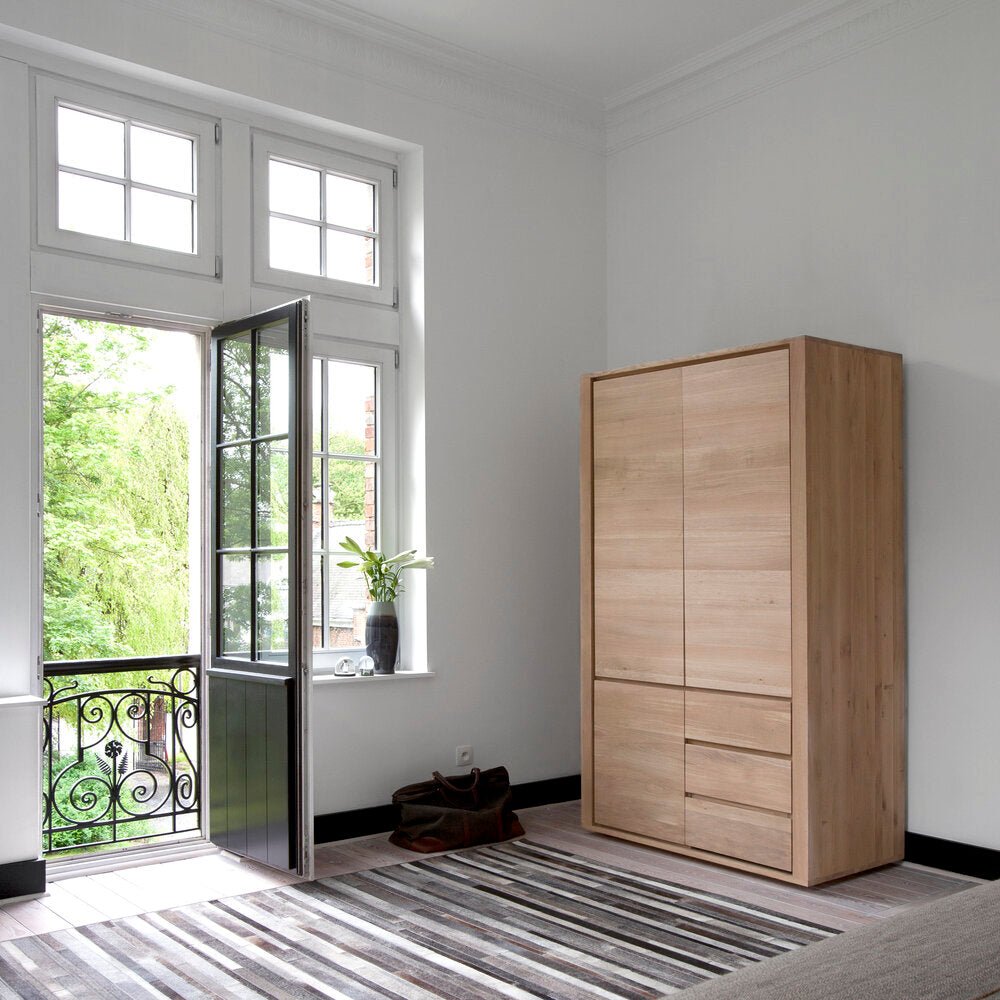
Tall chests (highboys) feature 5-7 narrow drawers stacked vertically, maximizing storage in compact footprints. Wide dressers offer 6-9 drawers in double or triple rows, providing expansive top surfaces for lamps and decor. Rooms with low ceilings benefit from horizontal dressers; rooms with ample vertical space can handle dramatic tall chests.
Construction and Drawer Quality
Our dressers feature solid oak, walnut, and teak — not veneered particleboard. Dovetail joinery (interlocking wooden fingers) provides superior strength. Look for drawers with solid wood sides, plywood or solid bottoms, soft-close glides, and full-extension slides for easy access to contents at the back.
Bedroom Storage Planning
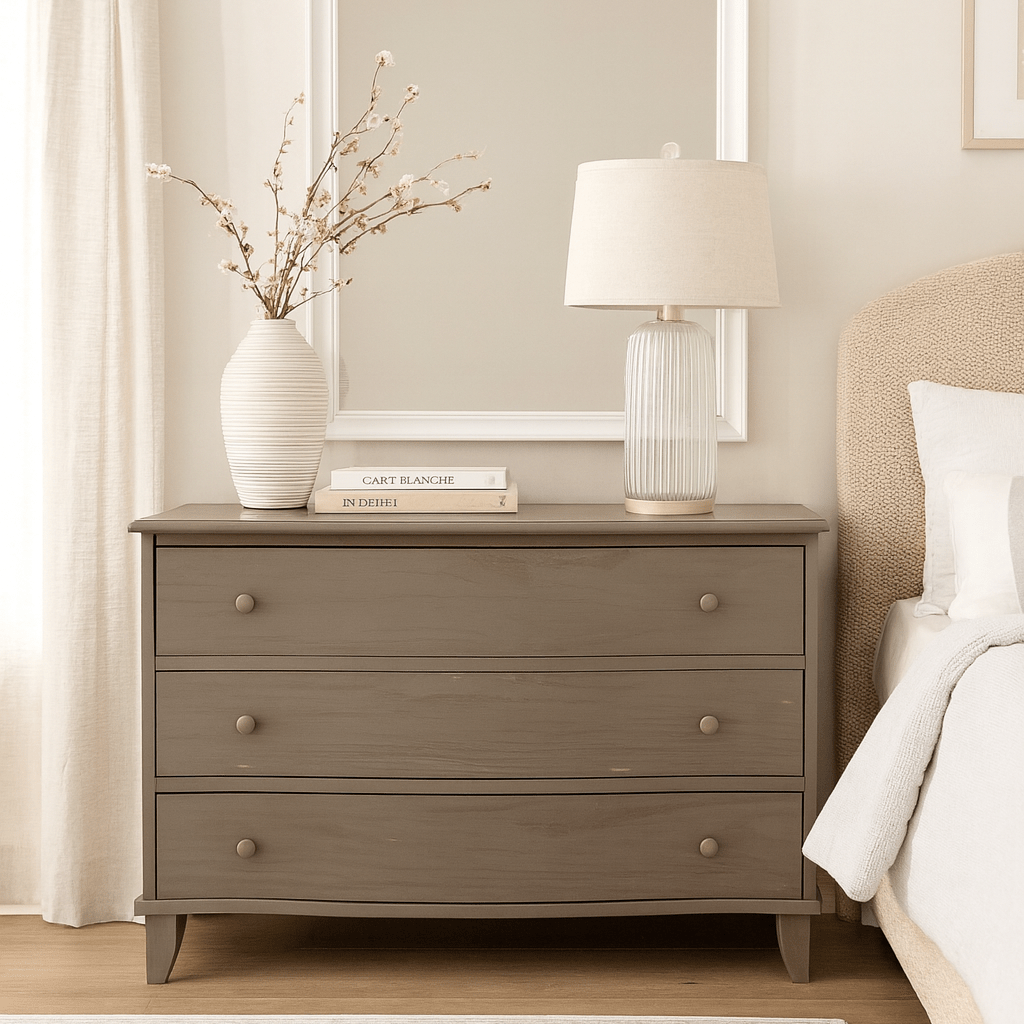
A standard 6-drawer dresser holds approximately 40-50 folded garments, while 9-drawer units handle 70+. Leave 12-18 inches of clearance in front for drawer operation. Pair with a full-length mirror for a functional dressing area. In shared bedrooms, two smaller dressers provide individual storage.
Frequently Asked Questions
How do I care for solid wood dressers?
Dust with a soft microfiber cloth and clean spills immediately. Avoid direct sunlight and heating vents. Use coasters under plants, and apply furniture wax or oil annually to maintain the finish.
What is dovetail joinery?
Dovetail joints feature interlocking trapezoidal cuts that create a mechanical bond — the more weight in the drawer, the tighter the joint holds. This traditional method far outlasts staples or cam locks and maintains structural integrity for generations.
Can I use a dresser in rooms other than the bedroom?
Absolutely. Dressers work in entryways for accessories, dining rooms as sideboards, or home offices for supplies. The versatile form adapts to any room.

