











Vase Materials and Their Character
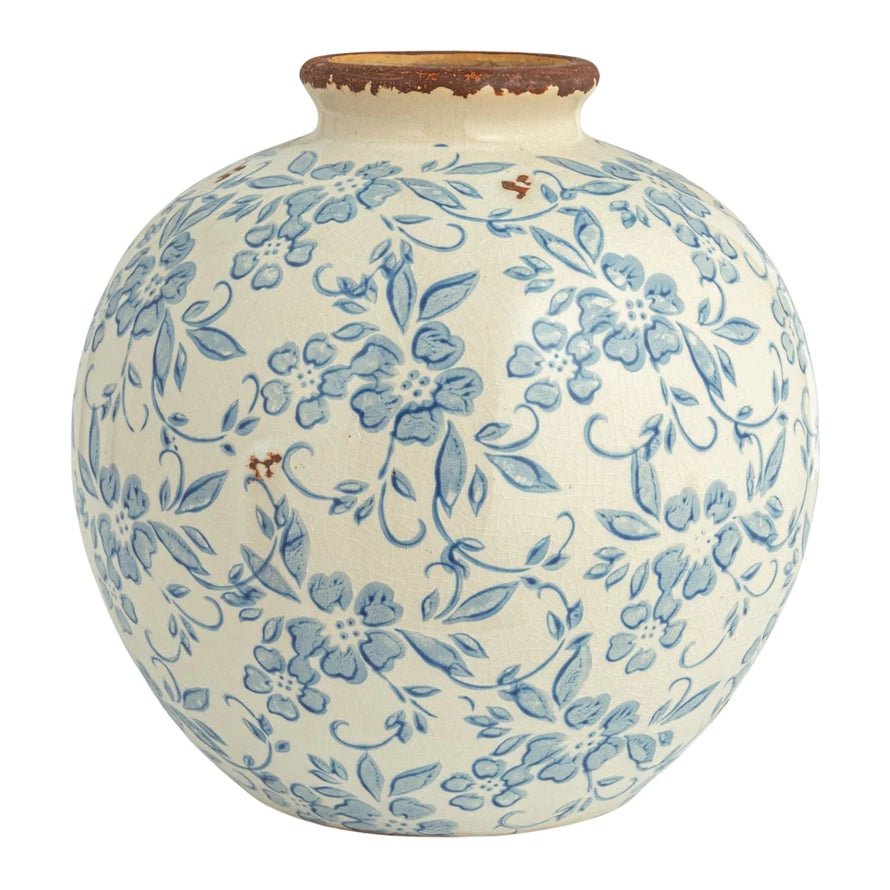
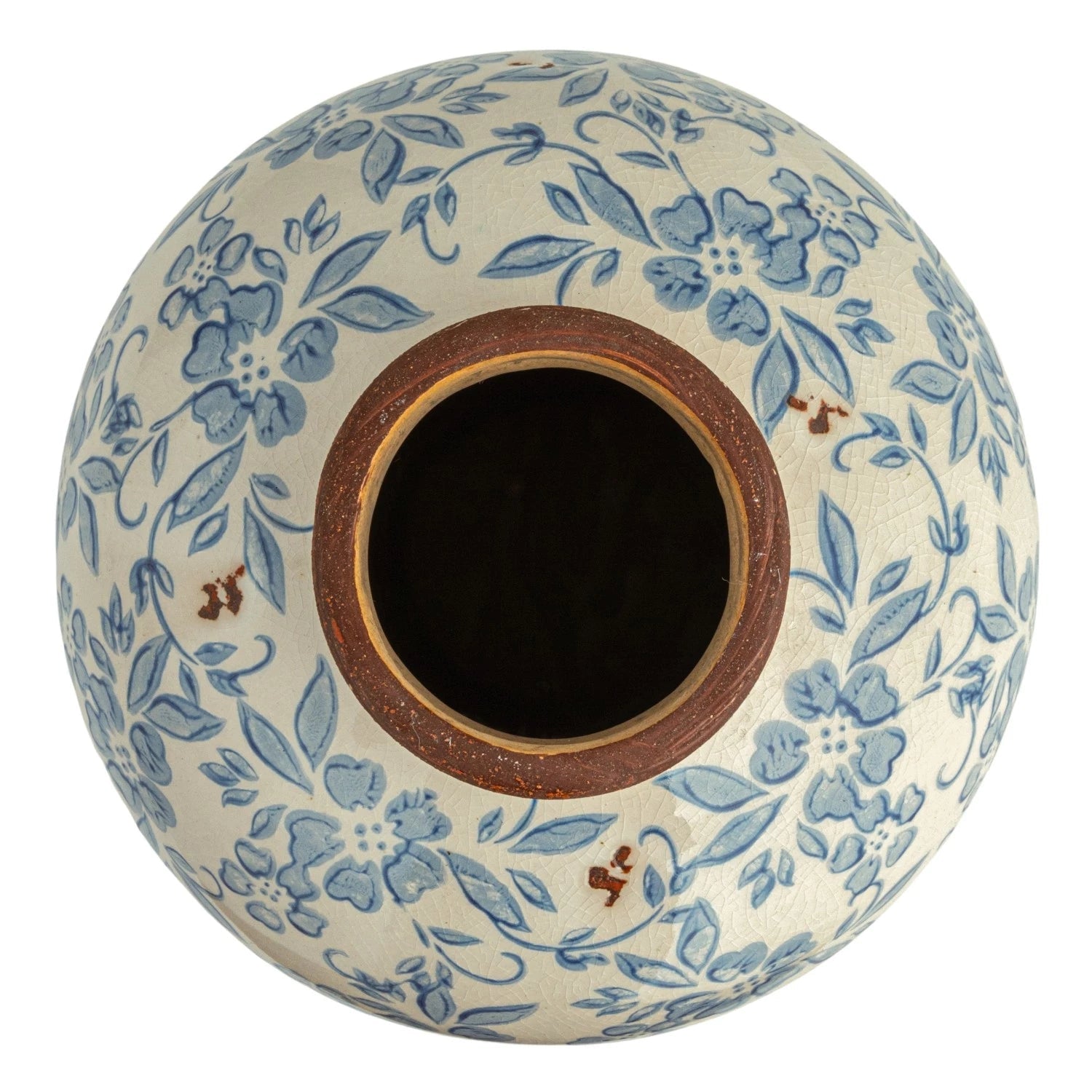
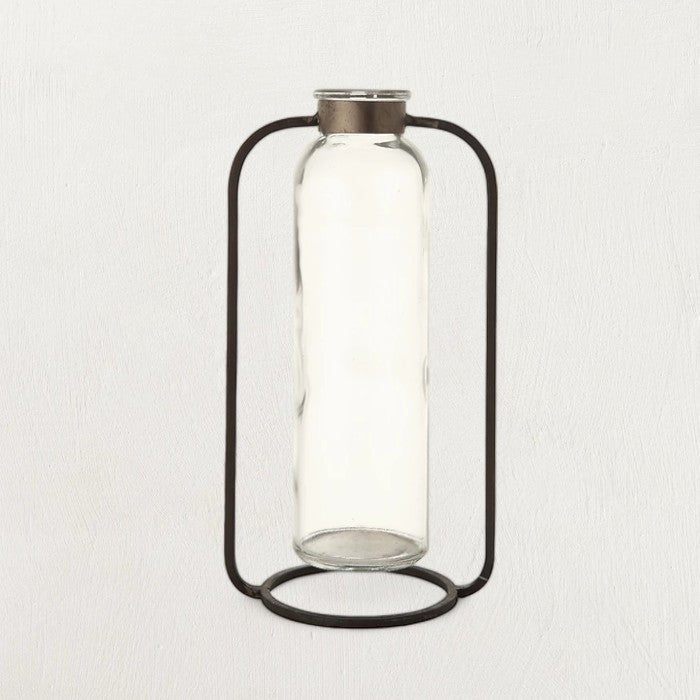
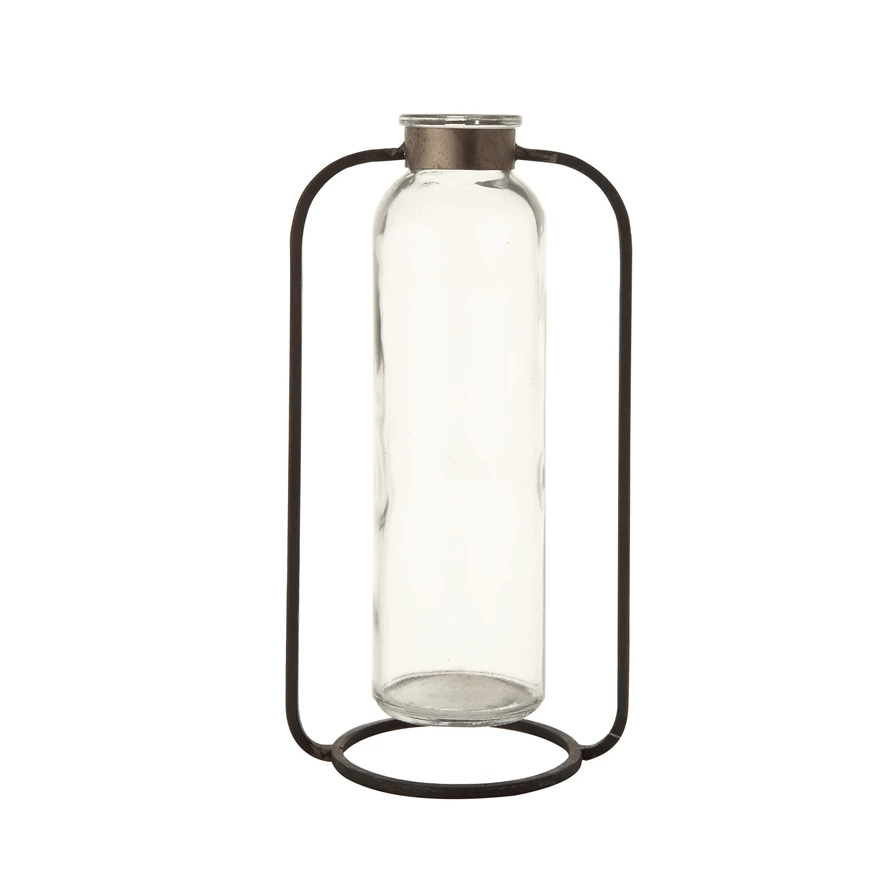
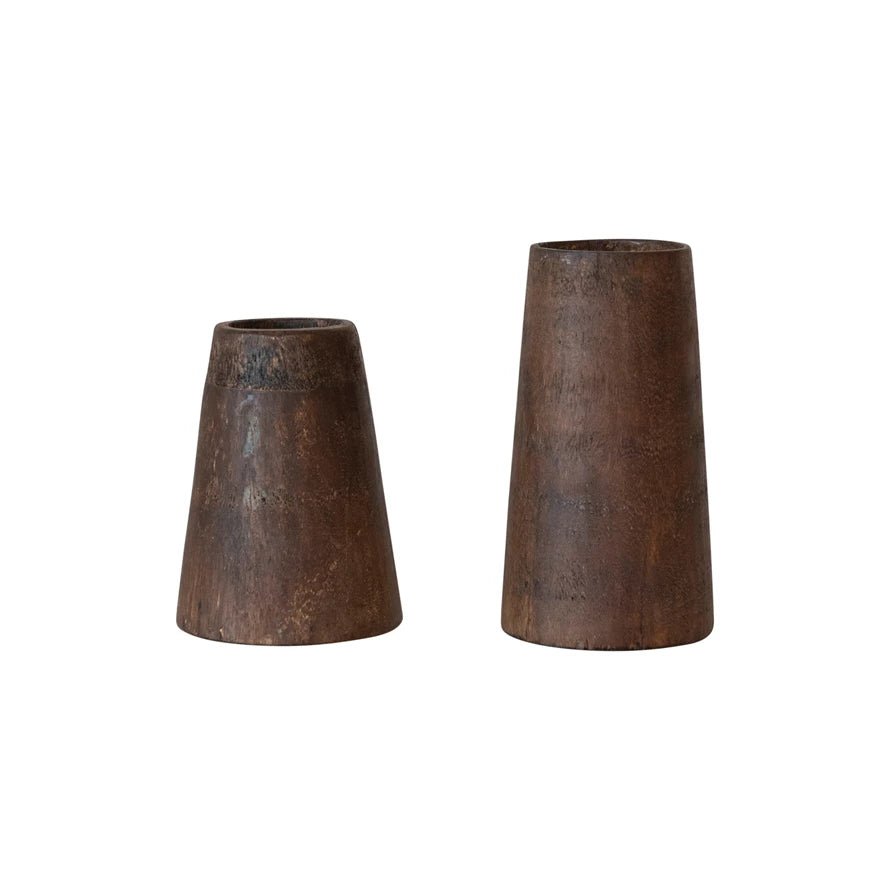
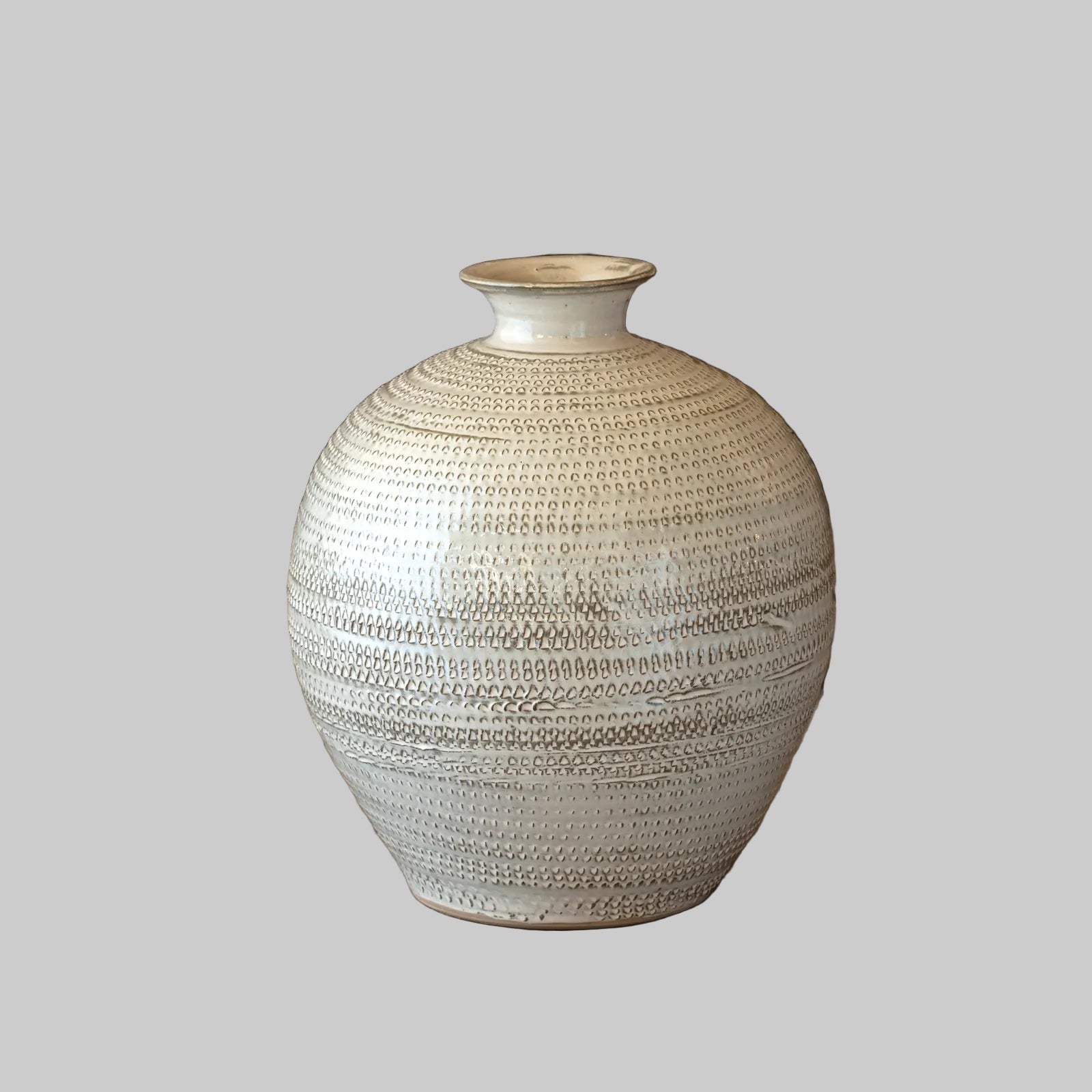
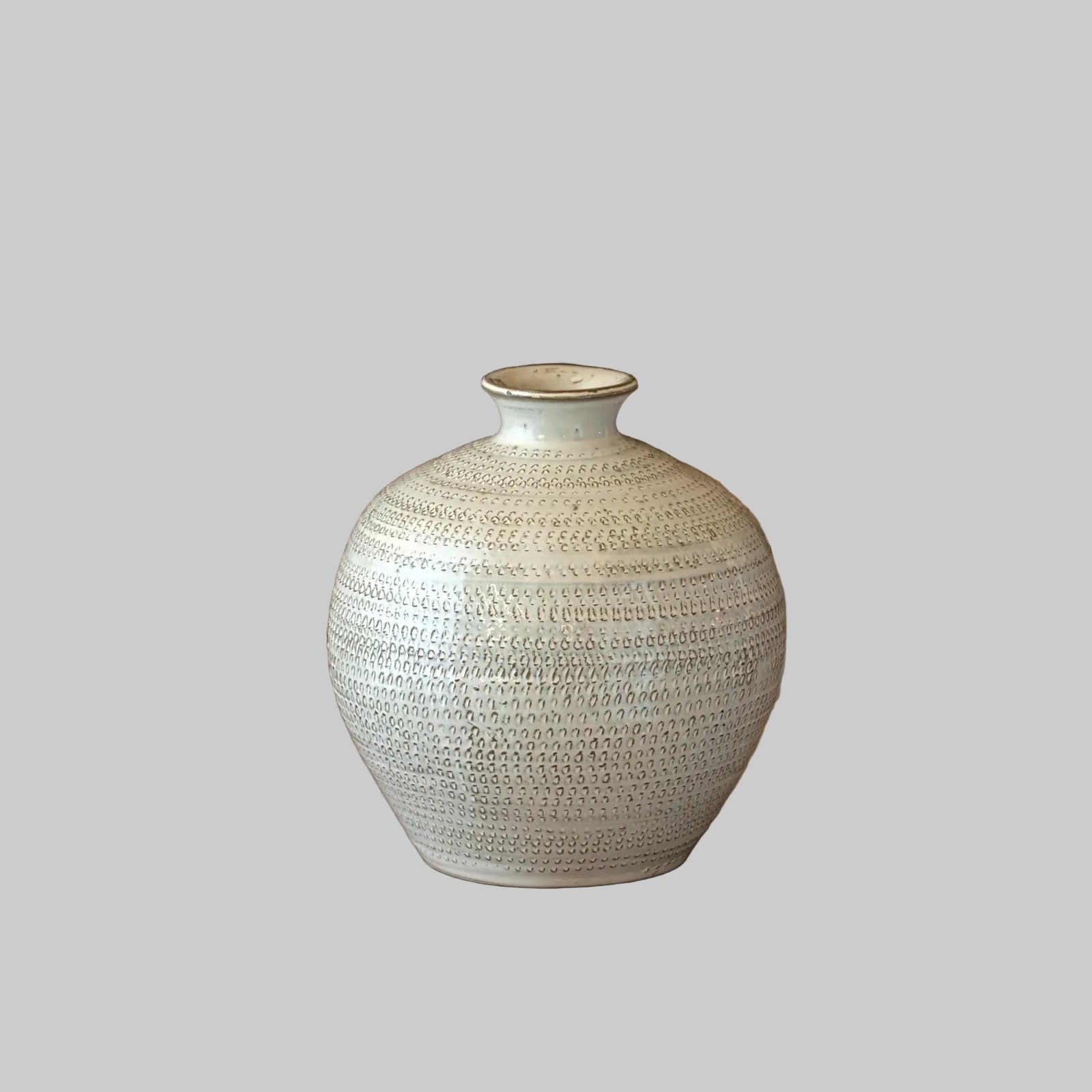
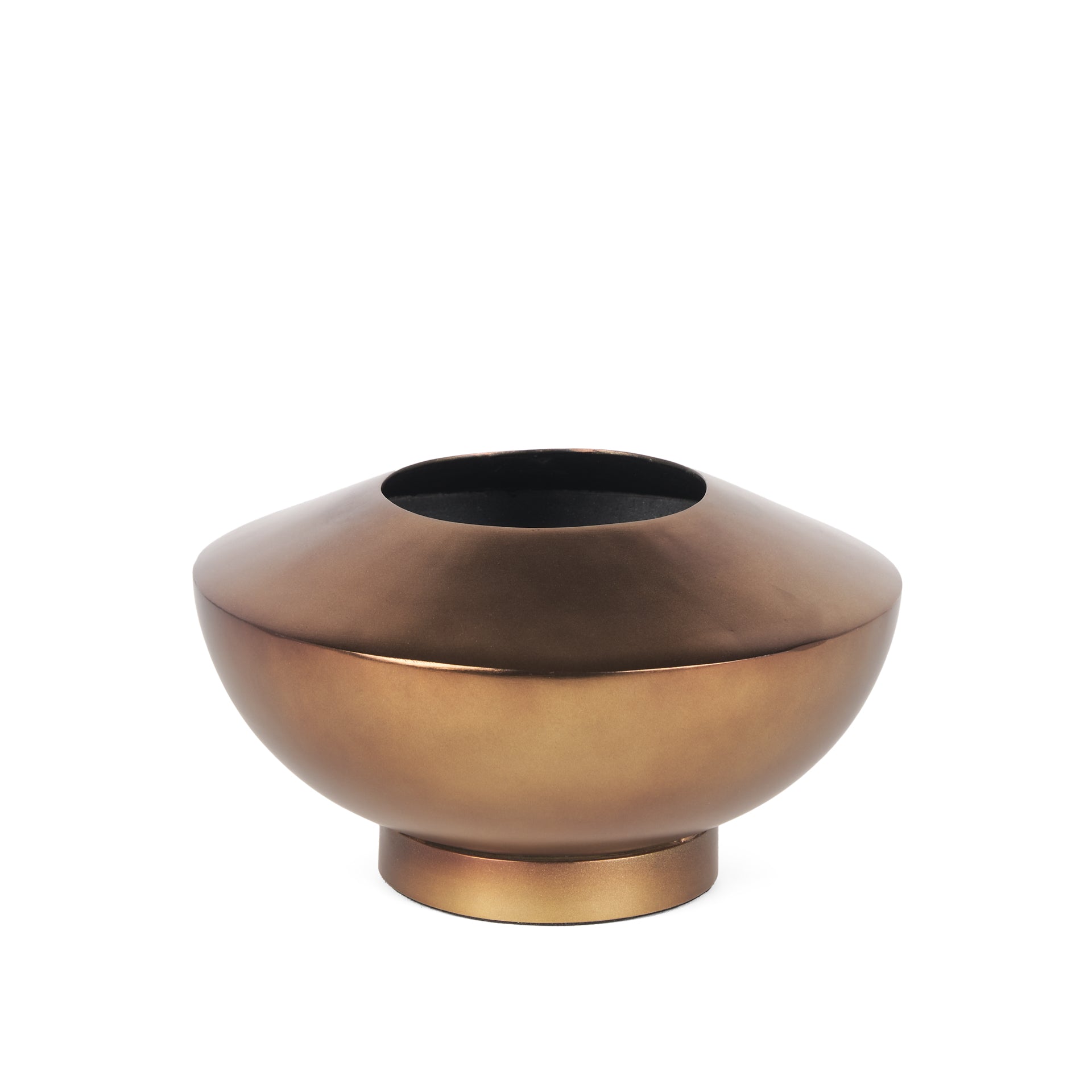
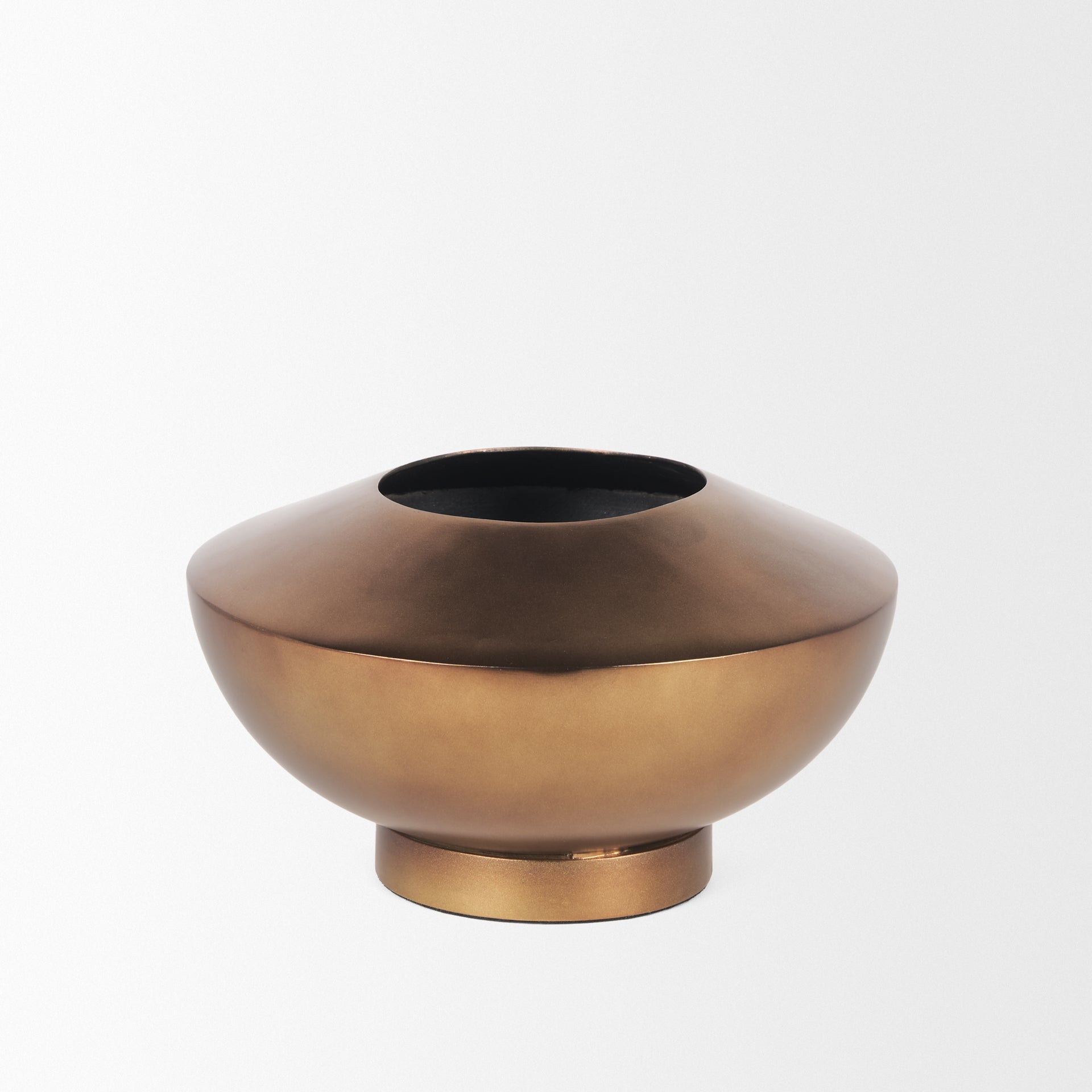
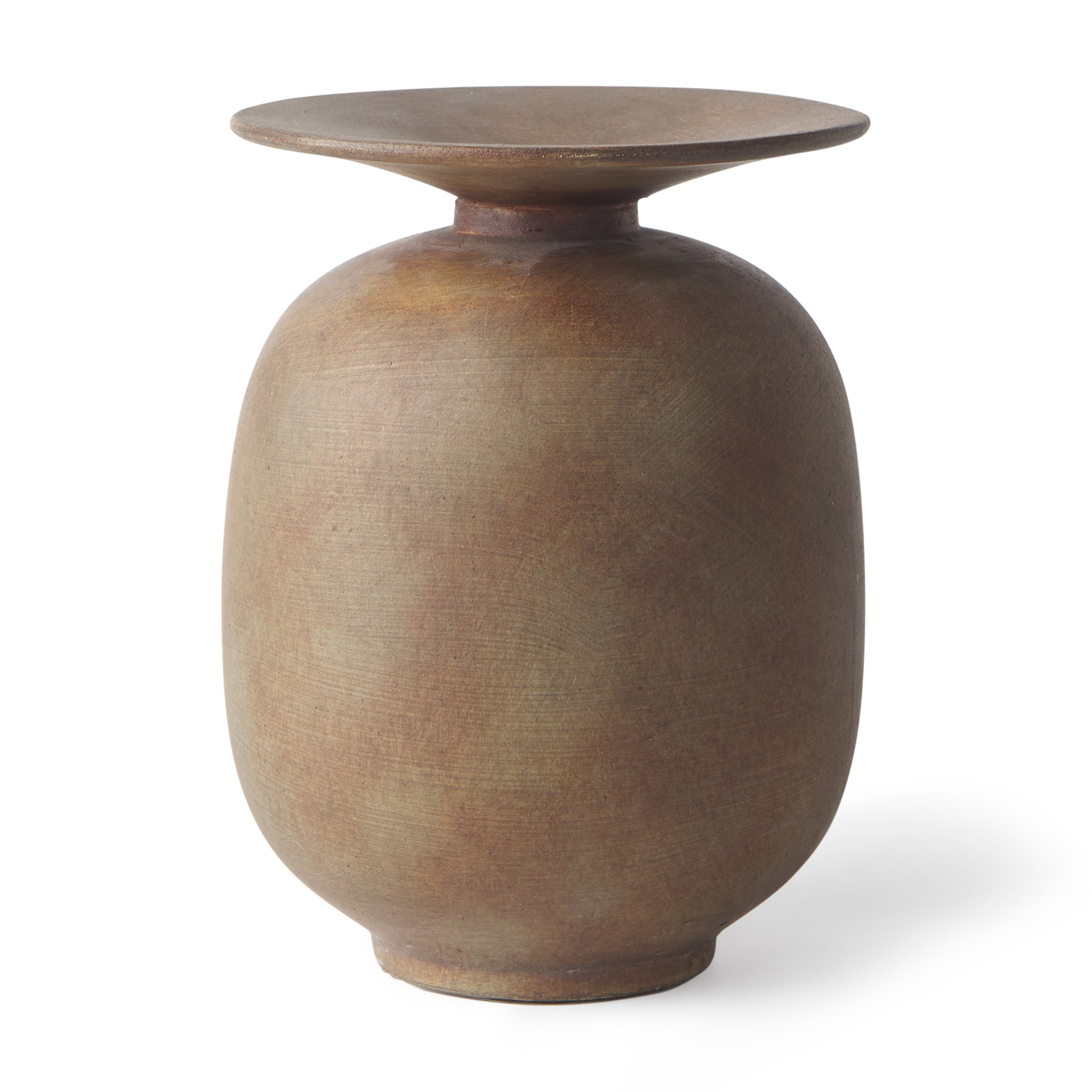
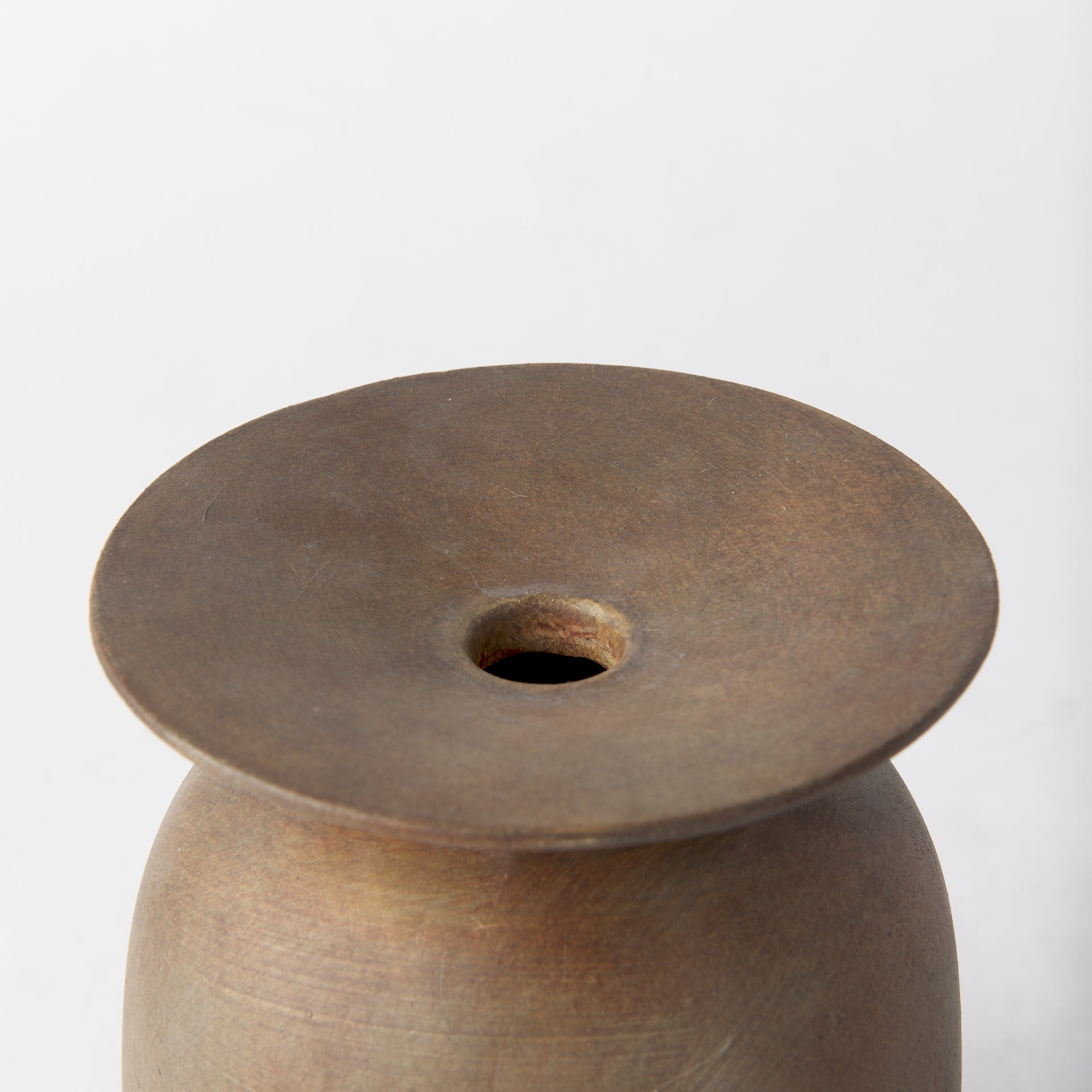
Ceramic vases from Mercana, Bellari Home, and Accent Decor range from smooth glazed finishes to rough textured surfaces — they work in both modern and rustic spaces. Terracotta pieces (Creative Co-Op Found Pitcher, Lainey Transferware) bring a warm, aged feel with natural earth tones. Stoneware and porcelain options offer finer detail and smoother surfaces. Glass vases (bud vases with metal stands, colored glass vessels) add transparency and work well with fresh or dried botanicals. Floor vases from Mercana (Gerber collection) make standalone statement pieces in corners or alongside furniture.
Styling Vases by Size and Placement
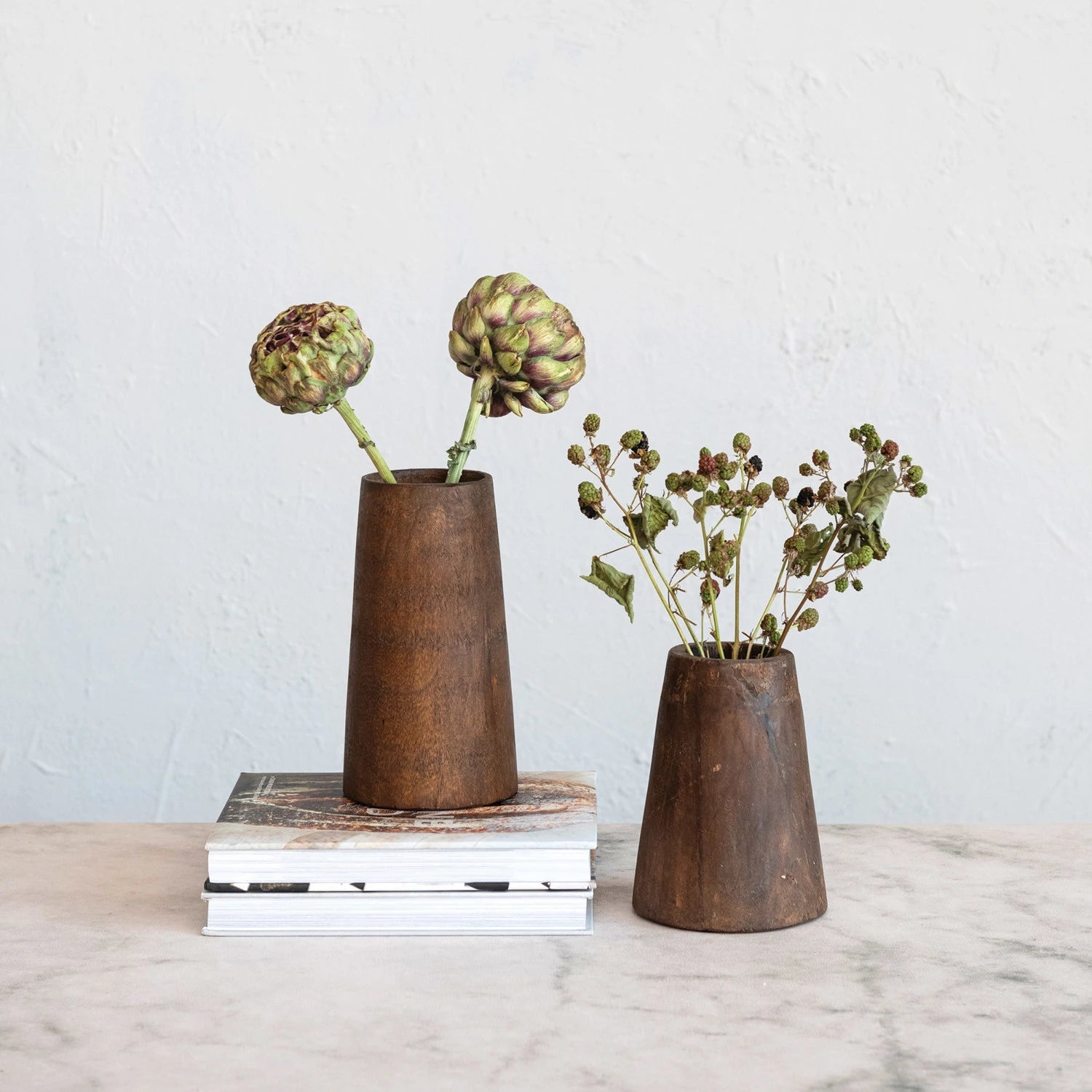
Small bud vases (under 8 inches) work in clusters of 2-3 on a shelf or windowsill, each with a single stem. Medium table vases (8-14 inches) anchor a console table, dining table centerpiece, or mantel. Large floor vases (15+ inches) stand alone in corners, beside a sofa, or flanking a fireplace — they do not need flowers to make an impact. For shelf styling, vary vase heights within a grouping and mix materials (one ceramic, one glass, one terracotta) for texture contrast.
Frequently Asked Questions
Can I use decorative vases with real flowers and water?
Glazed ceramic and glass vases hold water safely. Unglazed terracotta and raw ceramic vases are porous and may leak or sweat — use a waterproof liner or glass insert inside these if you want to display fresh flowers. Resin vases are not designed for water. For dried flowers and branches, any vase material works. When using water, change it every 2-3 days to prevent mineral buildup and odor.
What size vase looks right on a dining table?
Keep dining table vases under 12 inches tall so they do not block sightlines across the table. Width should be proportional — a narrow bud vase or slim cylinder works for everyday, while a wider vessel (6-8 inch diameter) suits a more formal centerpiece. For long dining tables, use 2-3 smaller vases spaced evenly rather than one large vase in the center.
How do I clean terracotta and ceramic vases?
Glazed ceramic vases wipe clean with a damp cloth. Unglazed terracotta develops a white mineral film (efflorescence) over time — this is natural and adds to the aged look. To remove it, scrub gently with a stiff brush and white vinegar, then rinse and dry completely. Do not put unglazed ceramic or terracotta in the dishwasher. Glass vases clean with warm soapy water or a bottle brush for narrow-necked designs.
How do I choose between a ceramic vase and a terracotta vase?
Ceramic vases have a more refined, finished look — smooth glazes in white, cream, blue, or metallic tones. They suit modern, transitional, and polished spaces. Terracotta vases are earthier, rougher, and warmer in tone — they work best in rustic, Mediterranean, farmhouse, or organic modern interiors. If your room already has a lot of smooth surfaces (glass table, polished wood), terracotta adds needed texture. If your space leans rustic, a glazed ceramic vase adds contrast.

